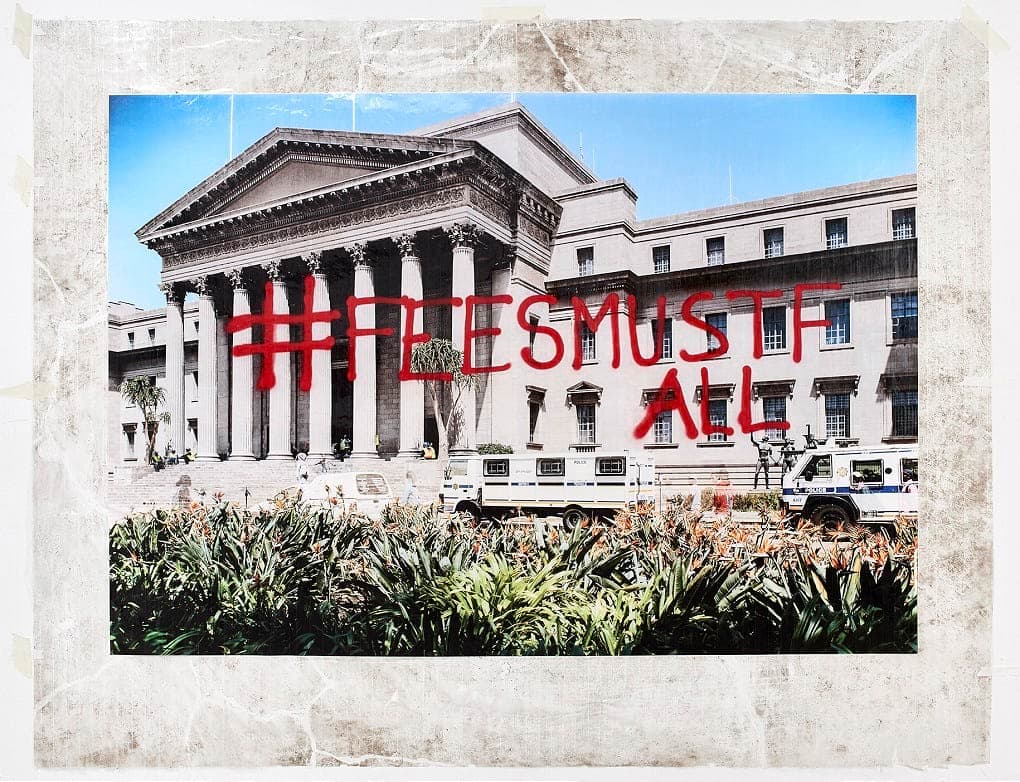
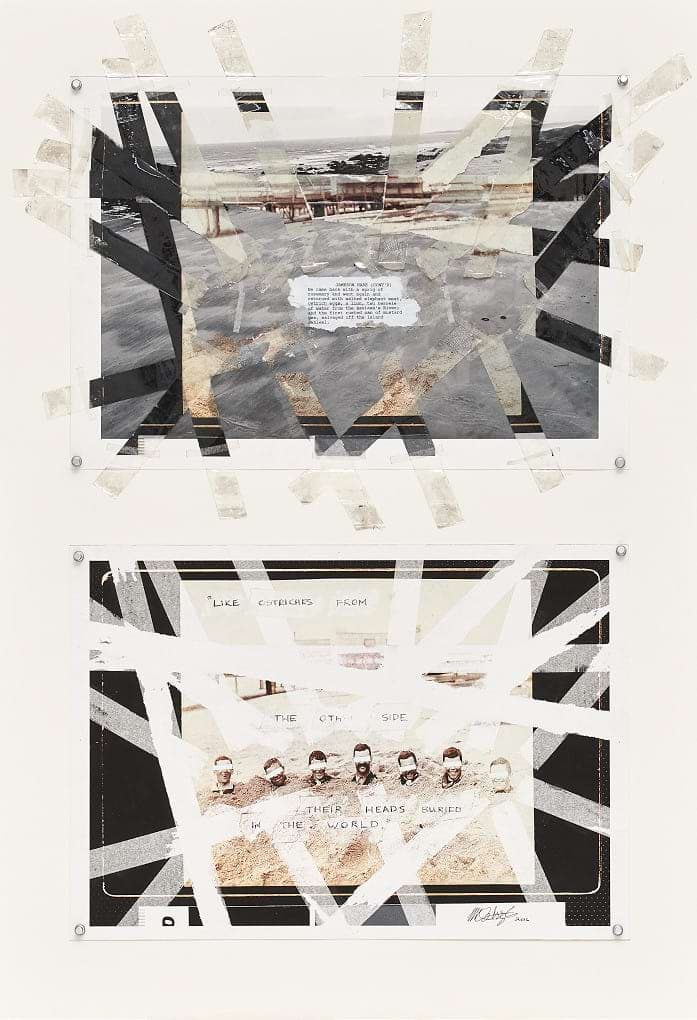
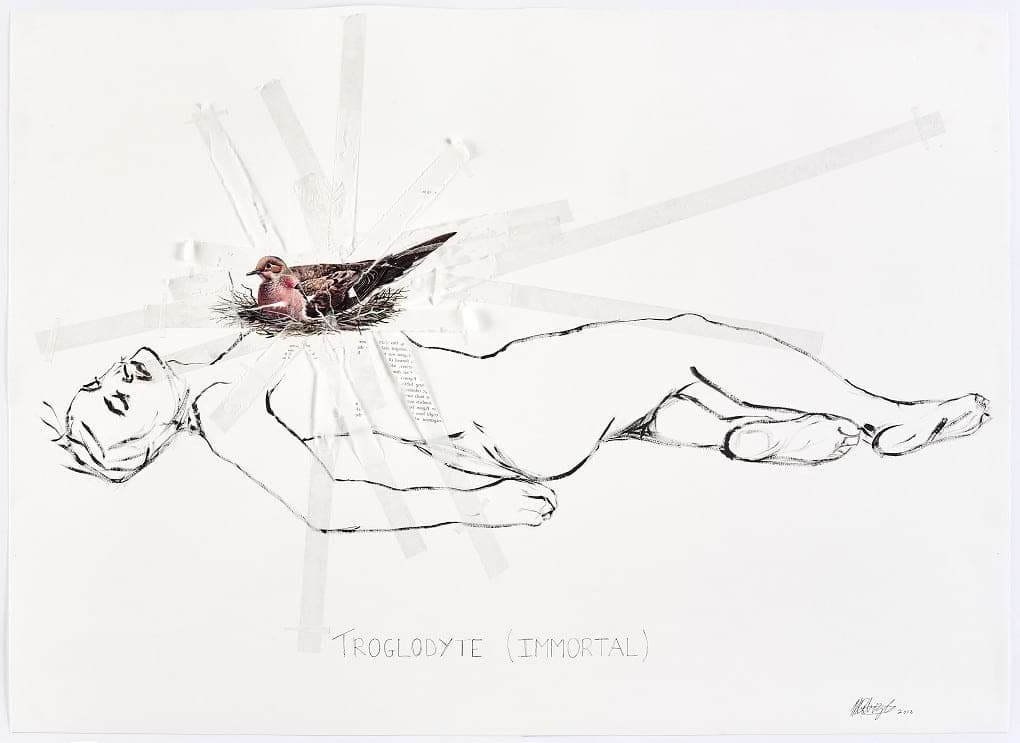
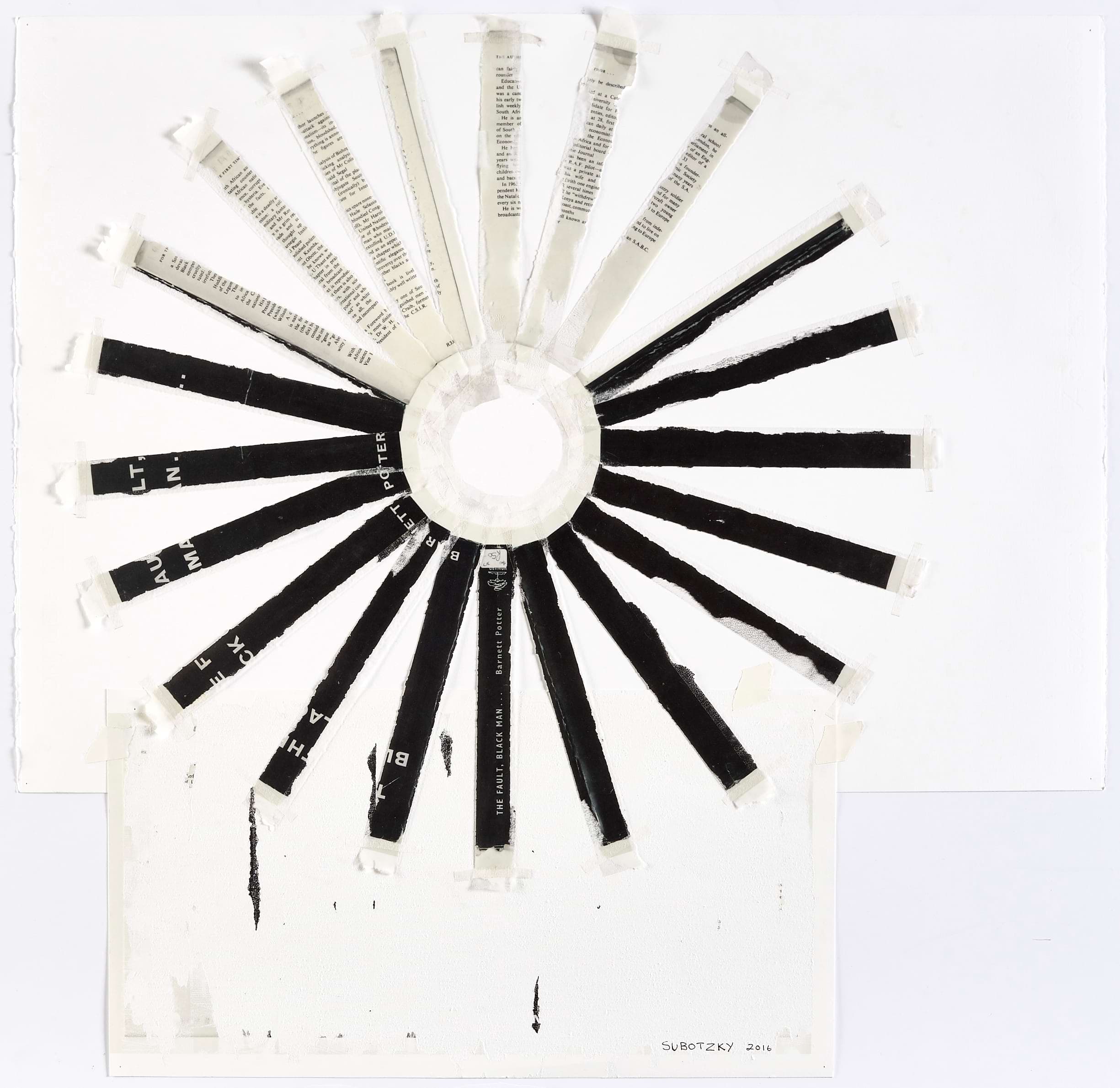
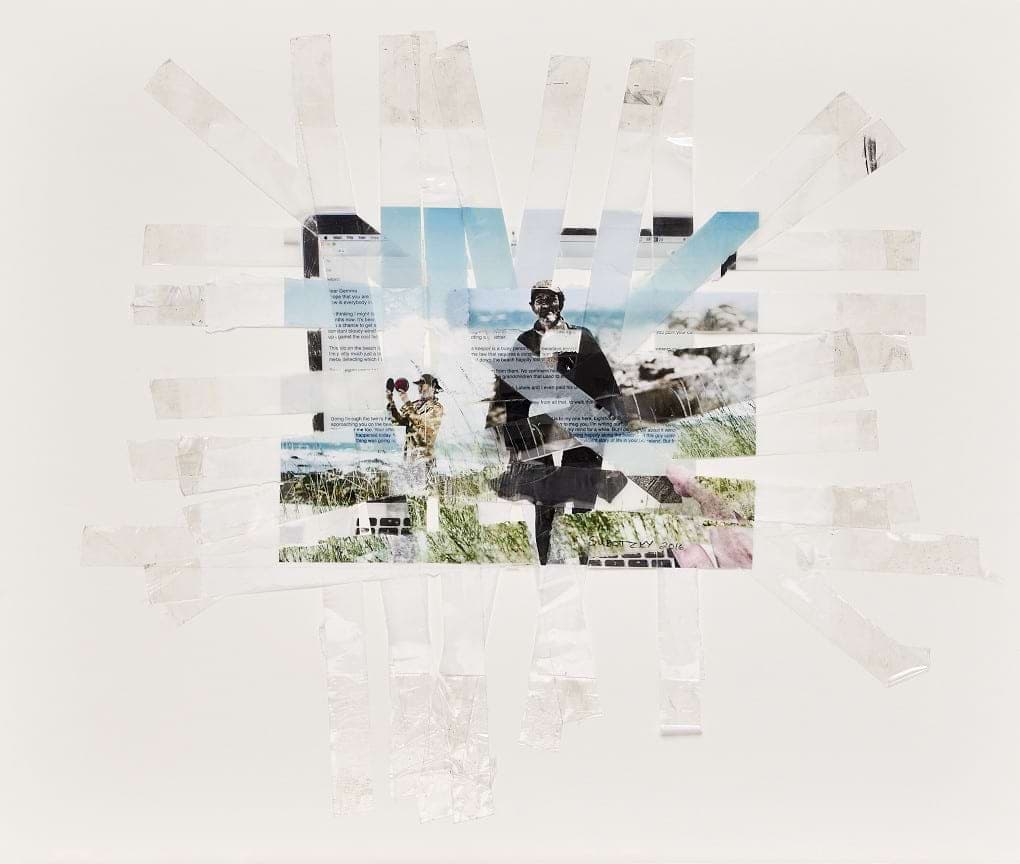
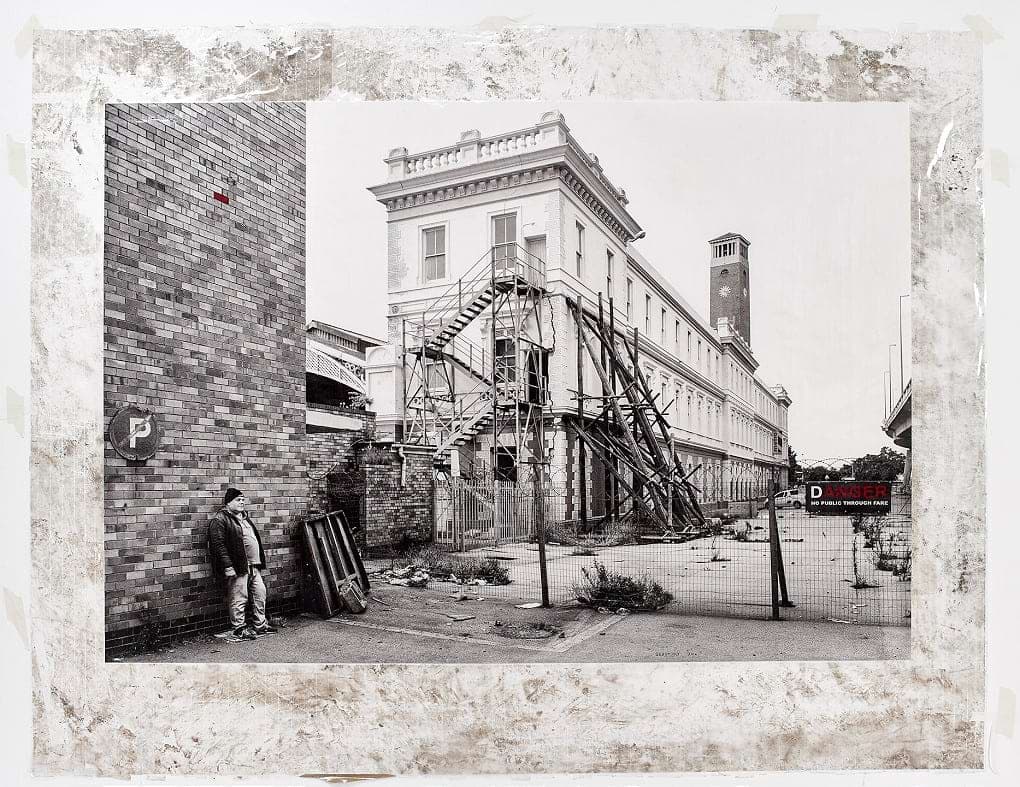
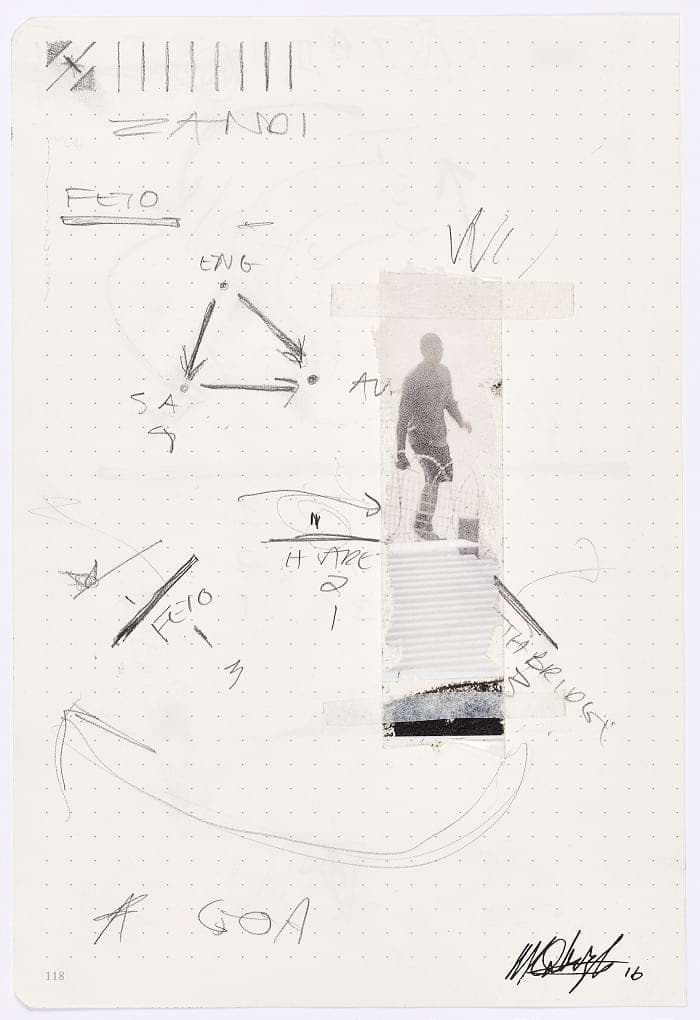
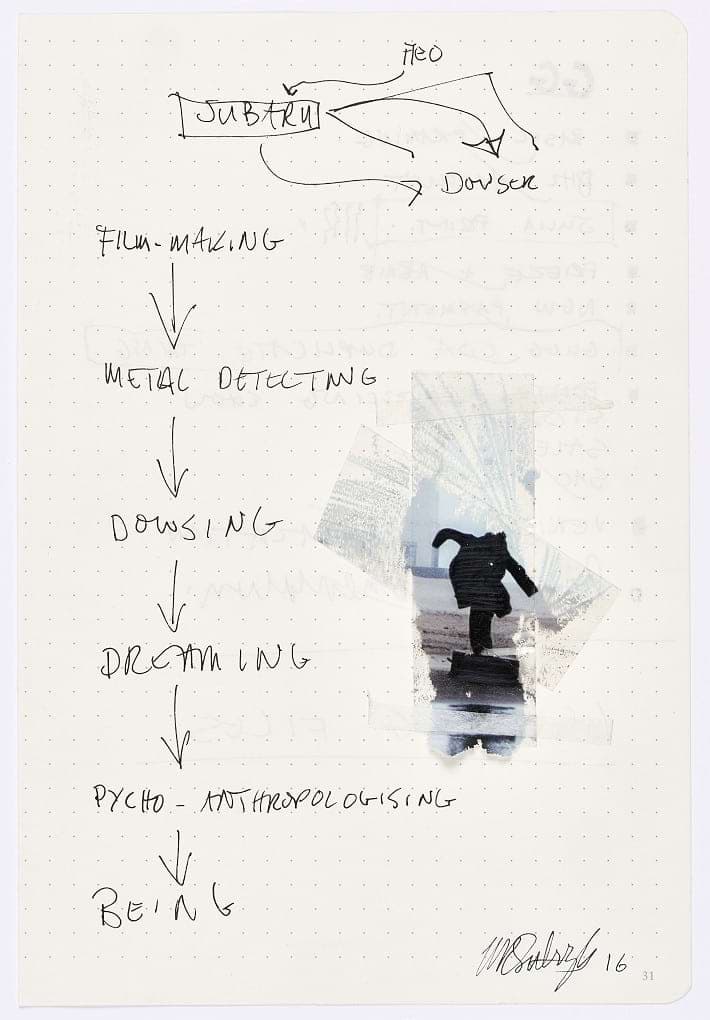
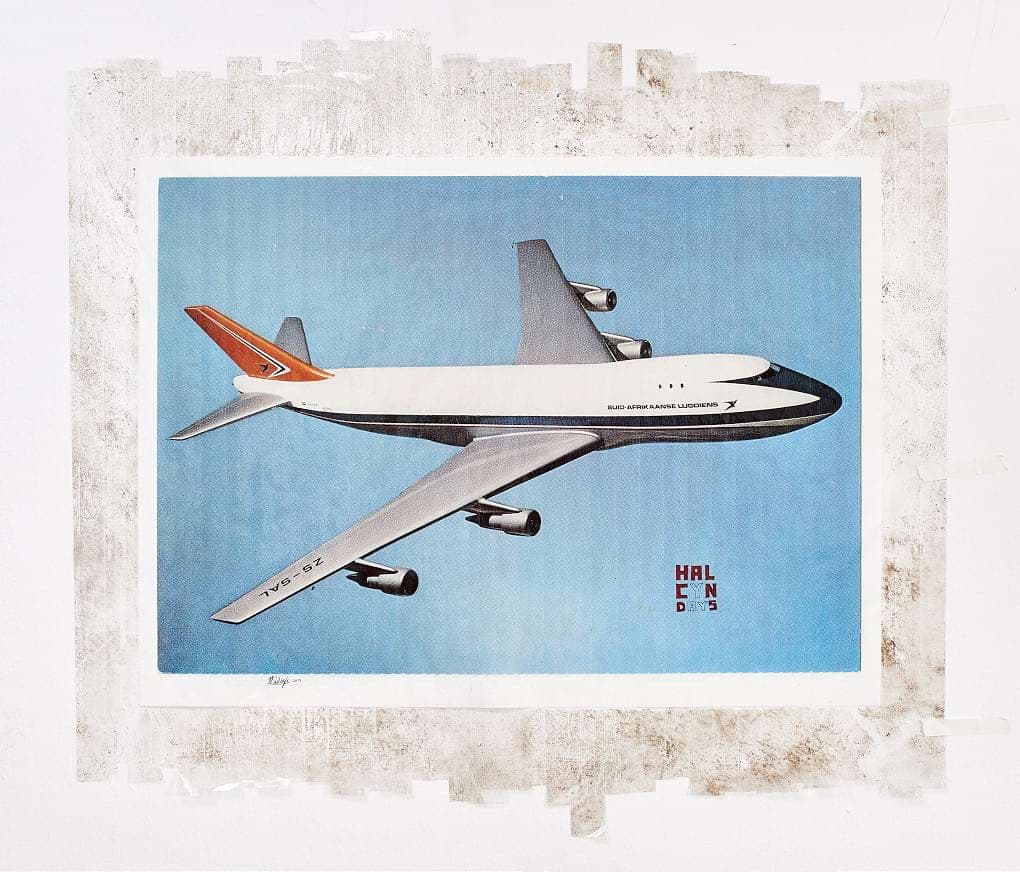
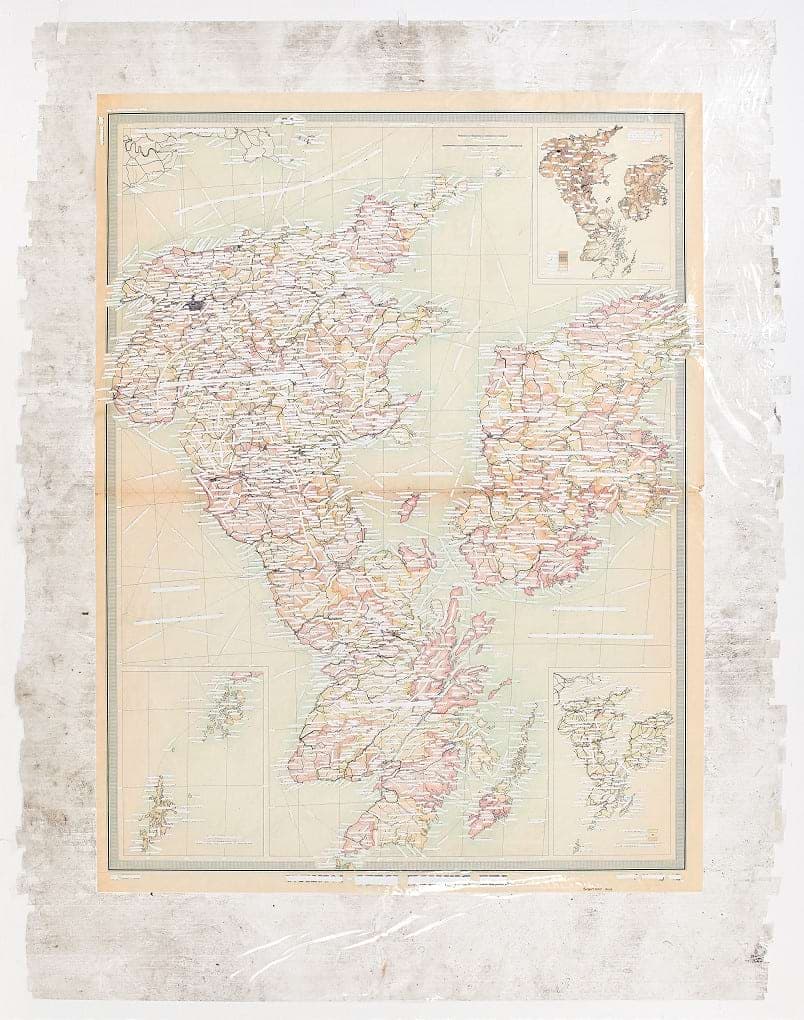
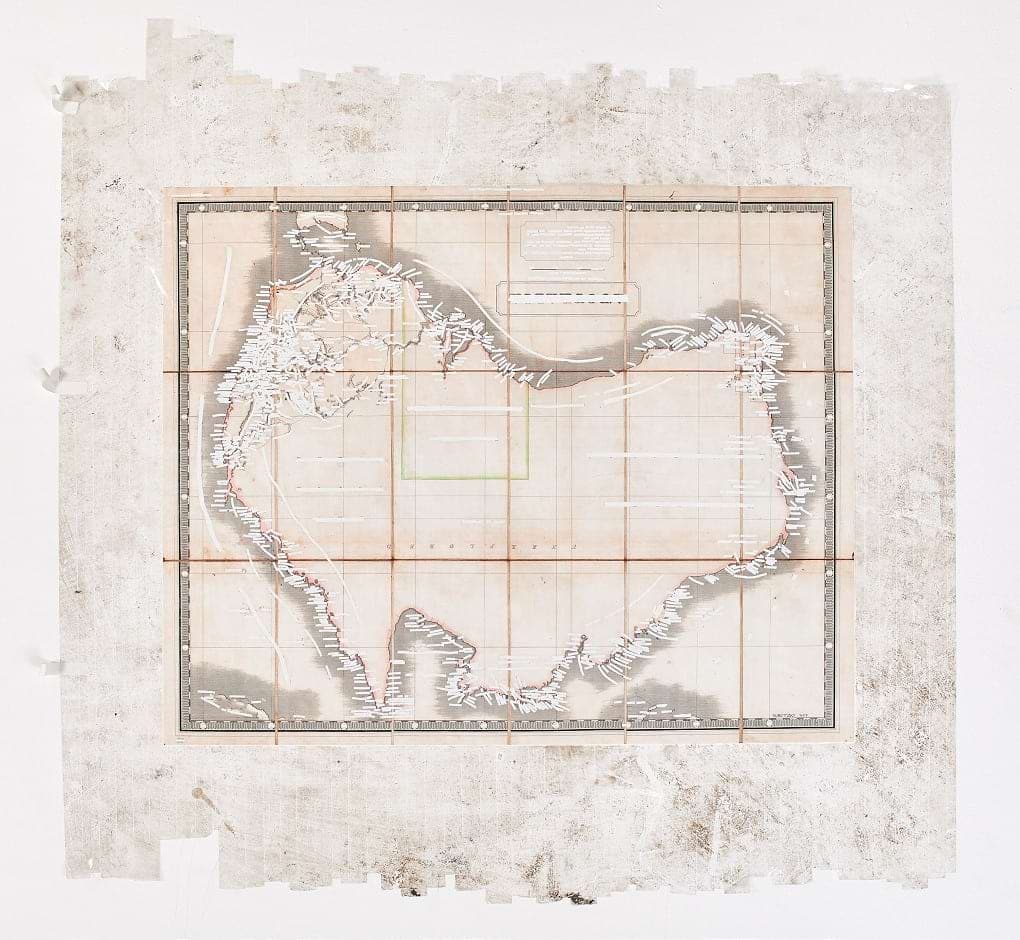
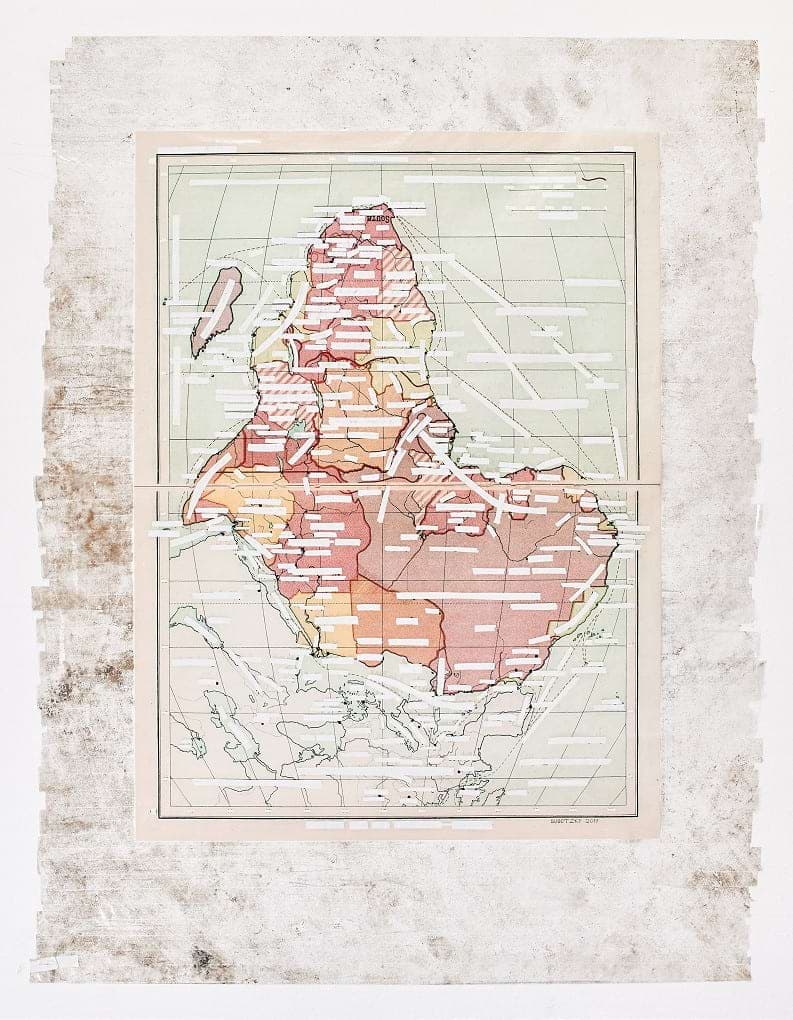
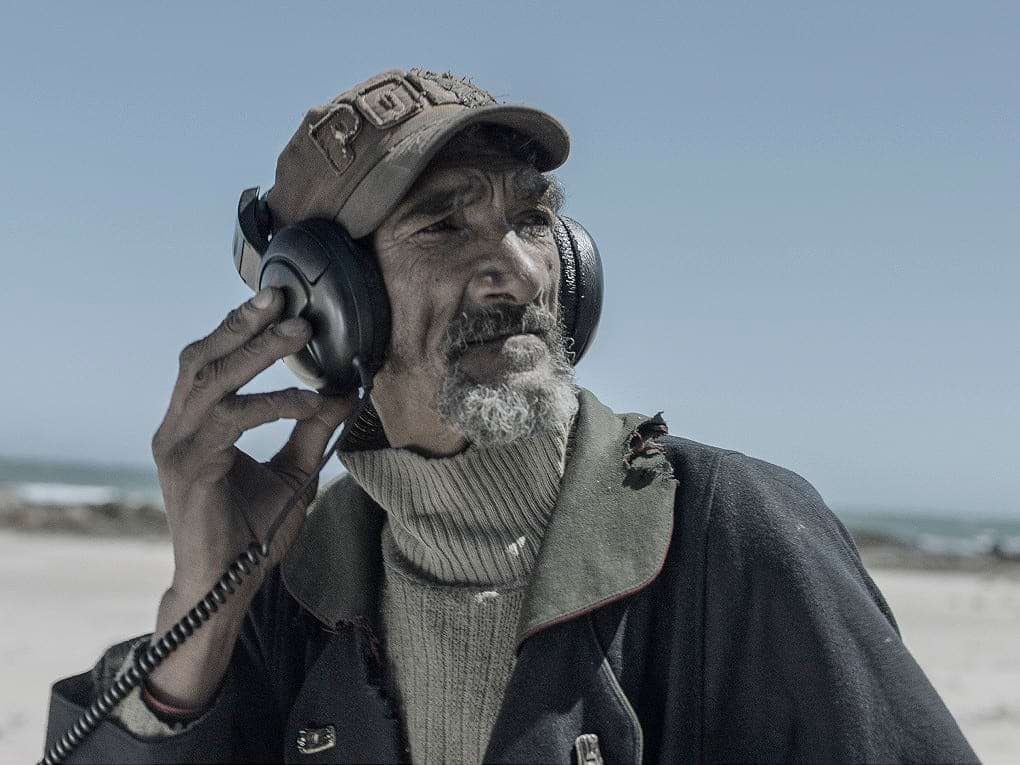
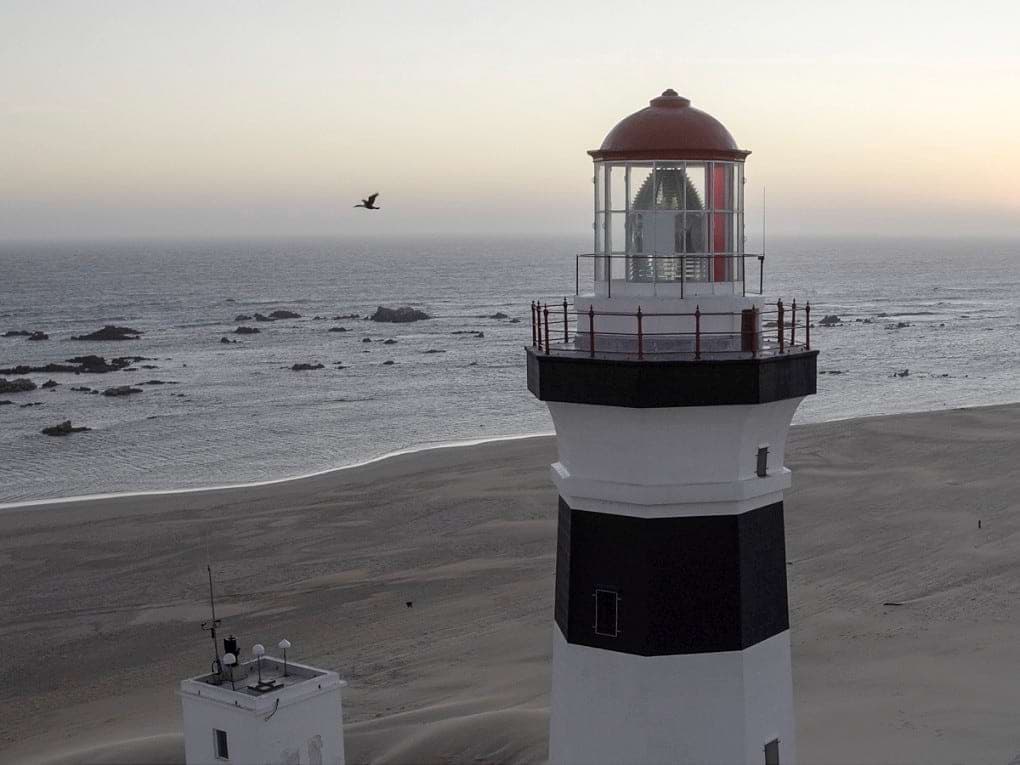
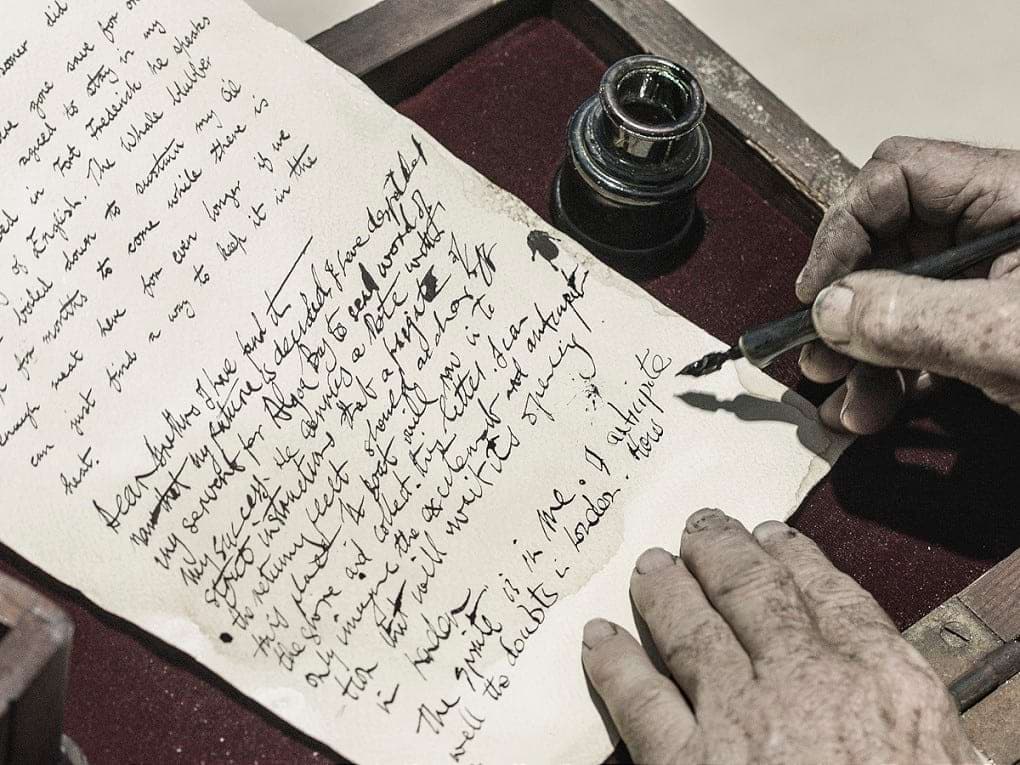
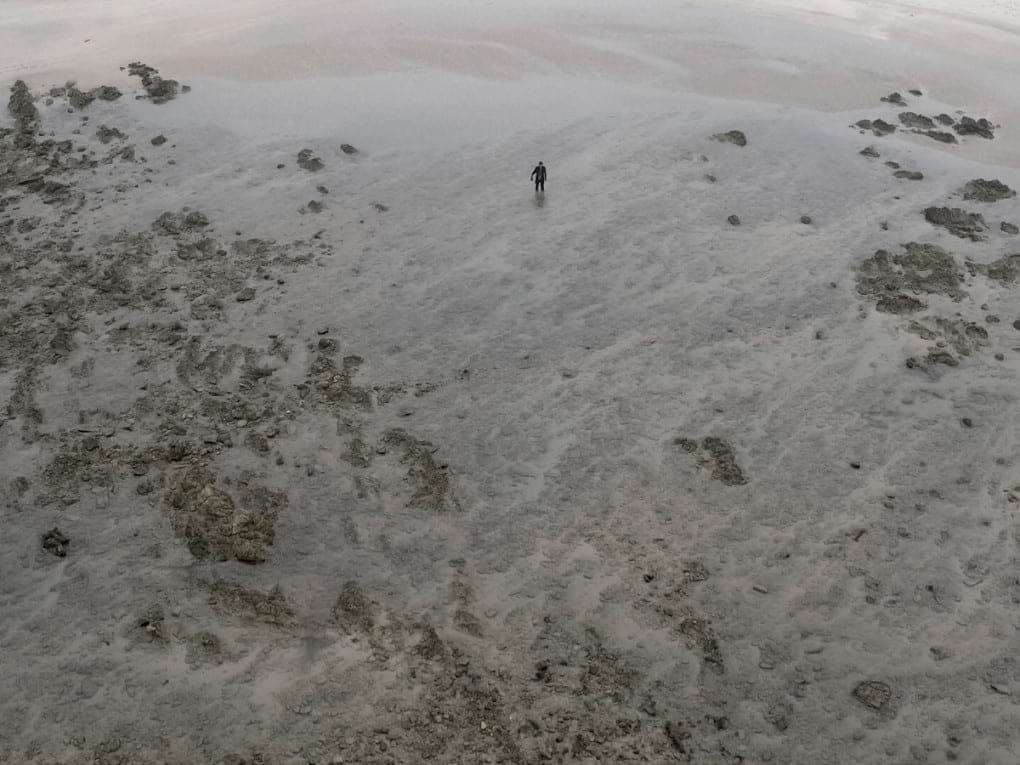
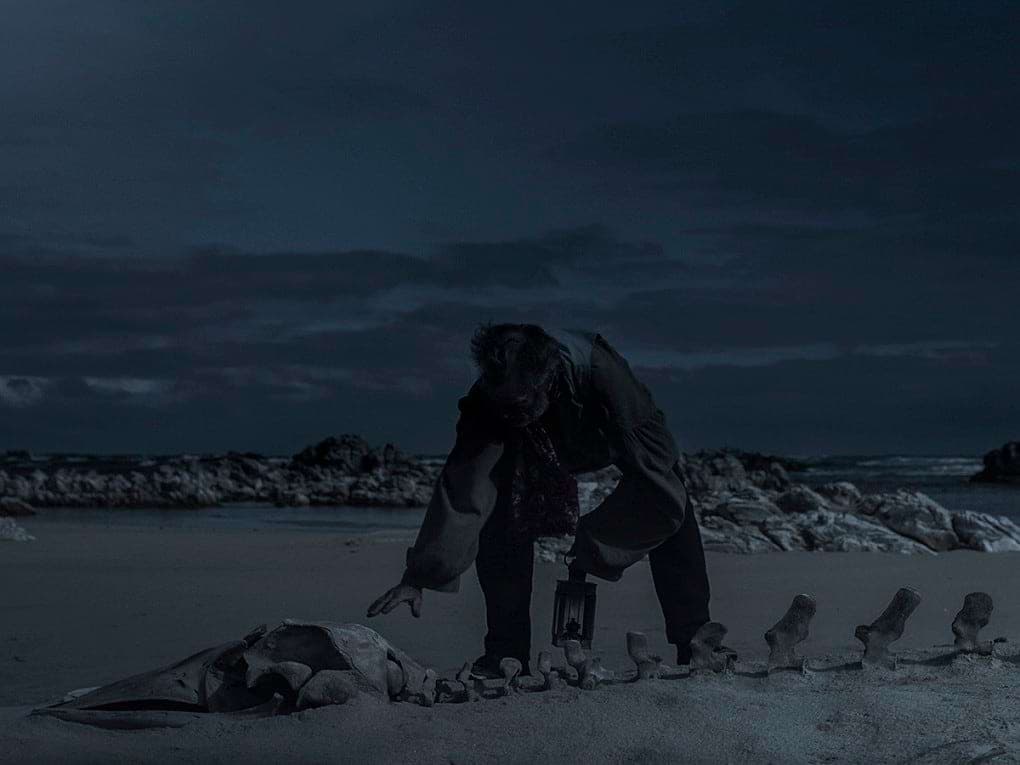
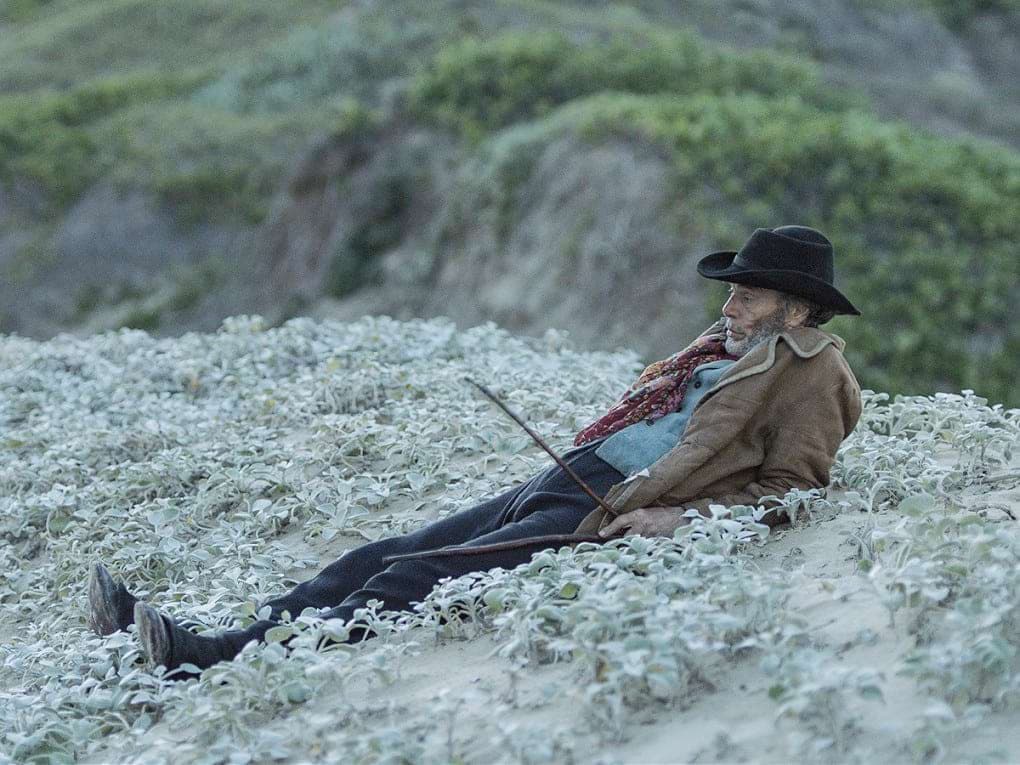
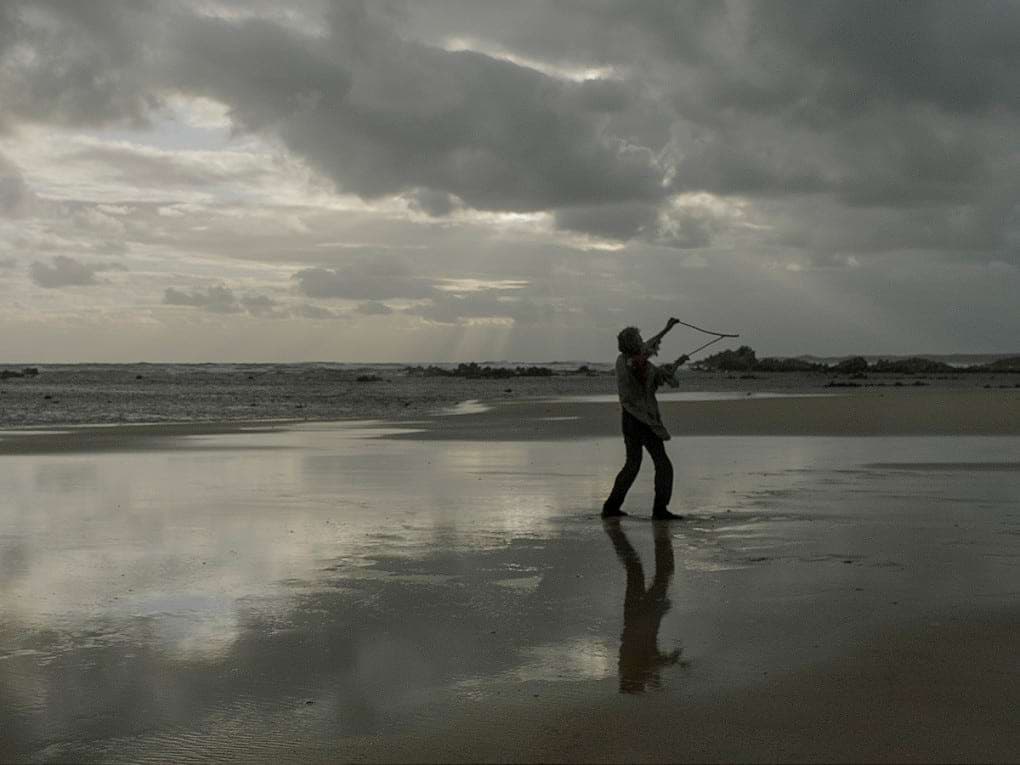
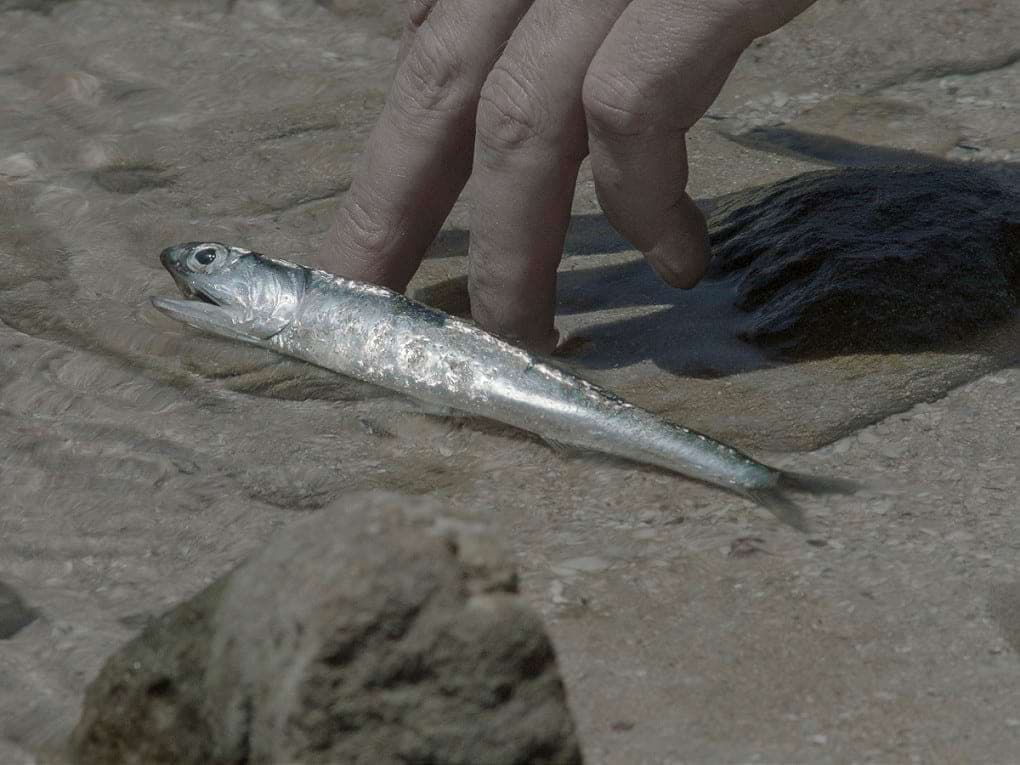
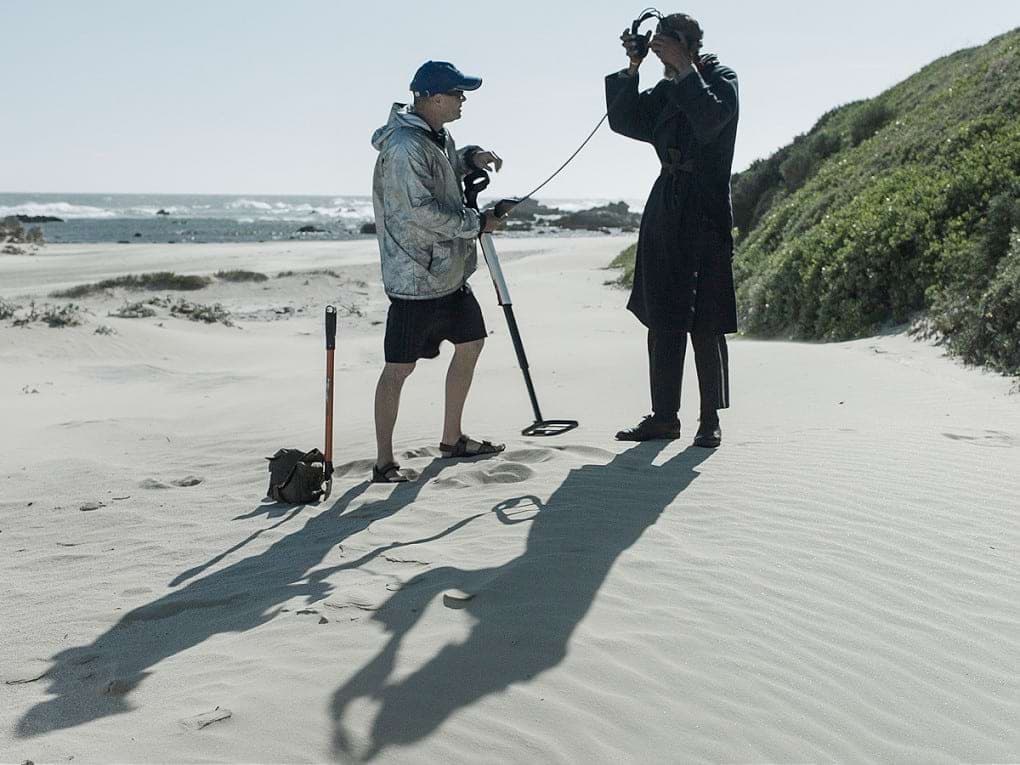
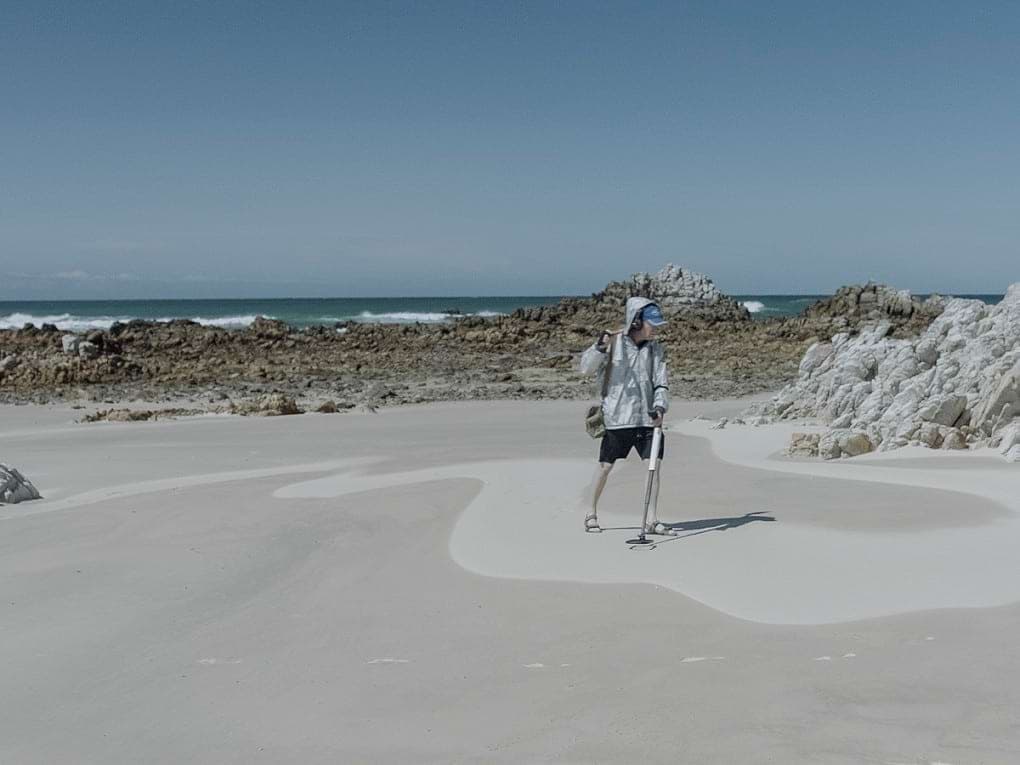
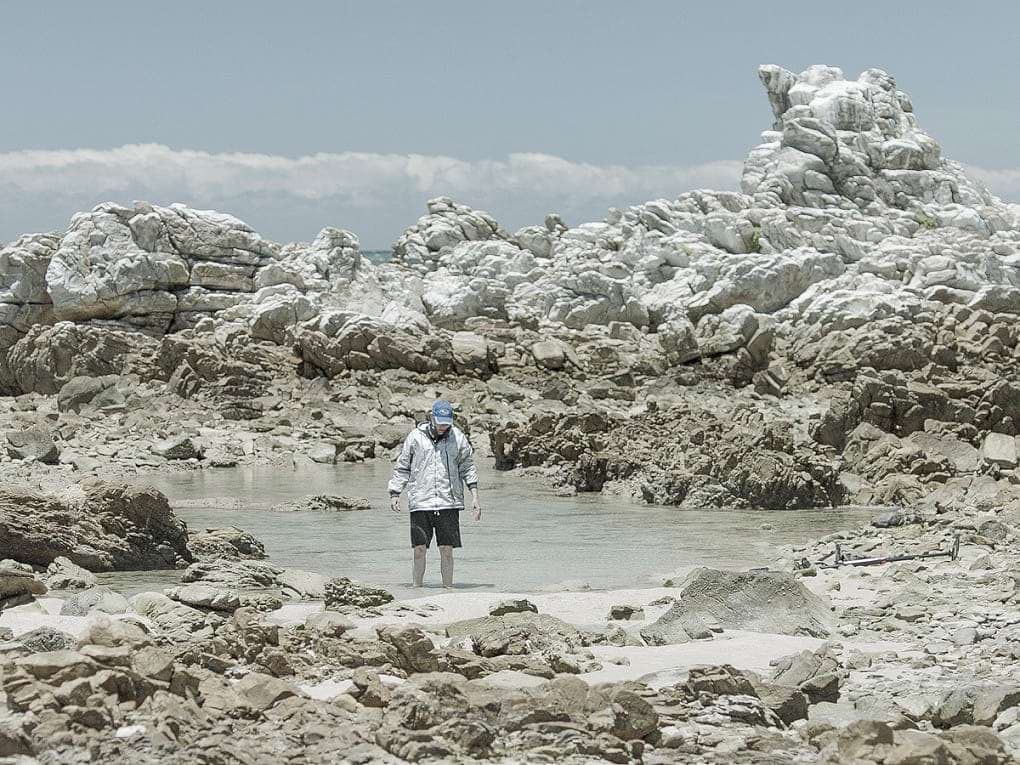
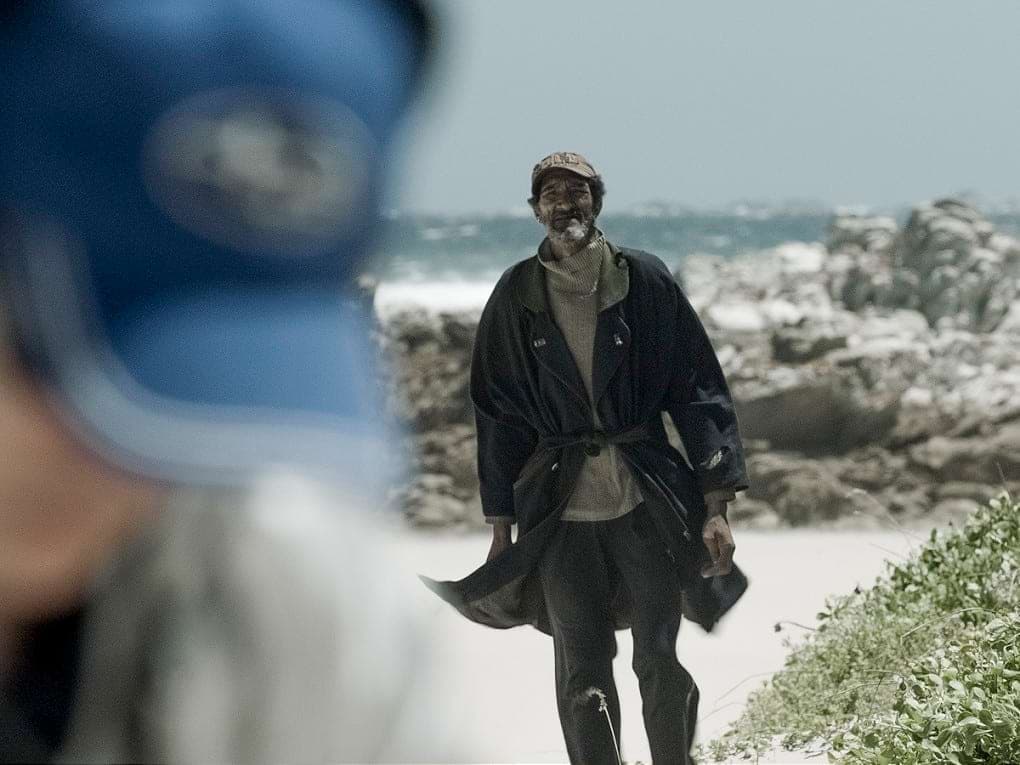

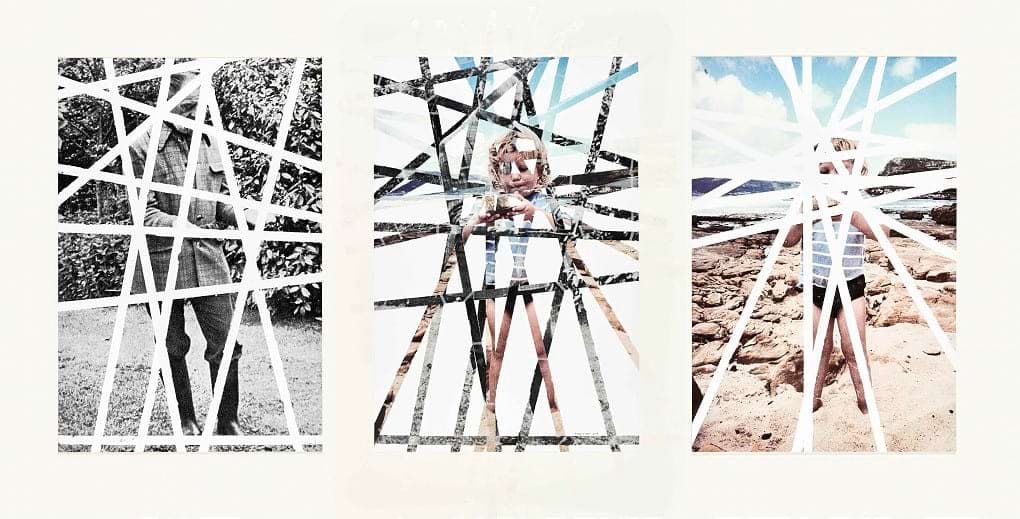
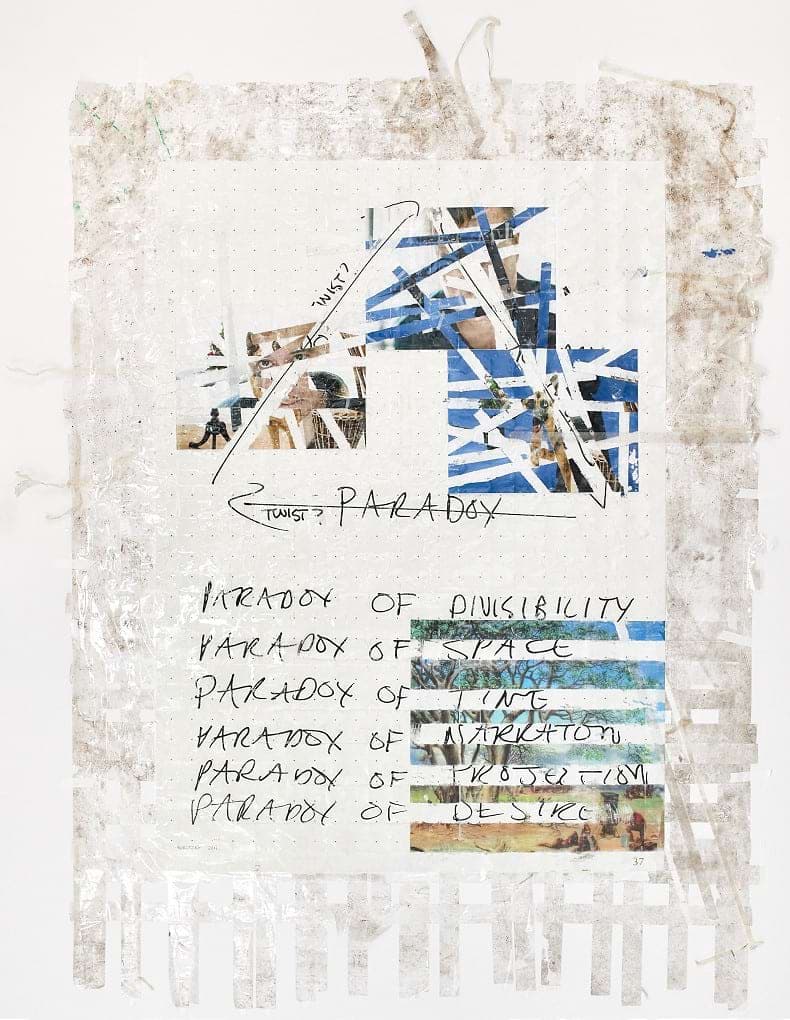
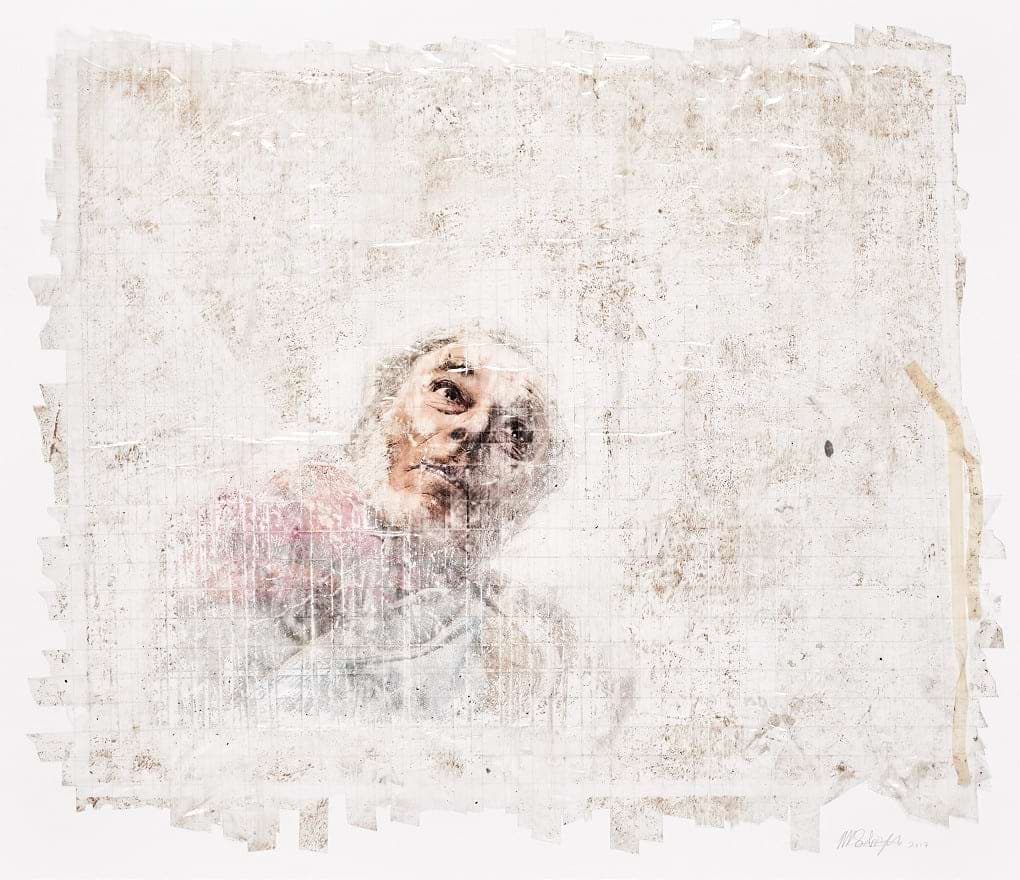
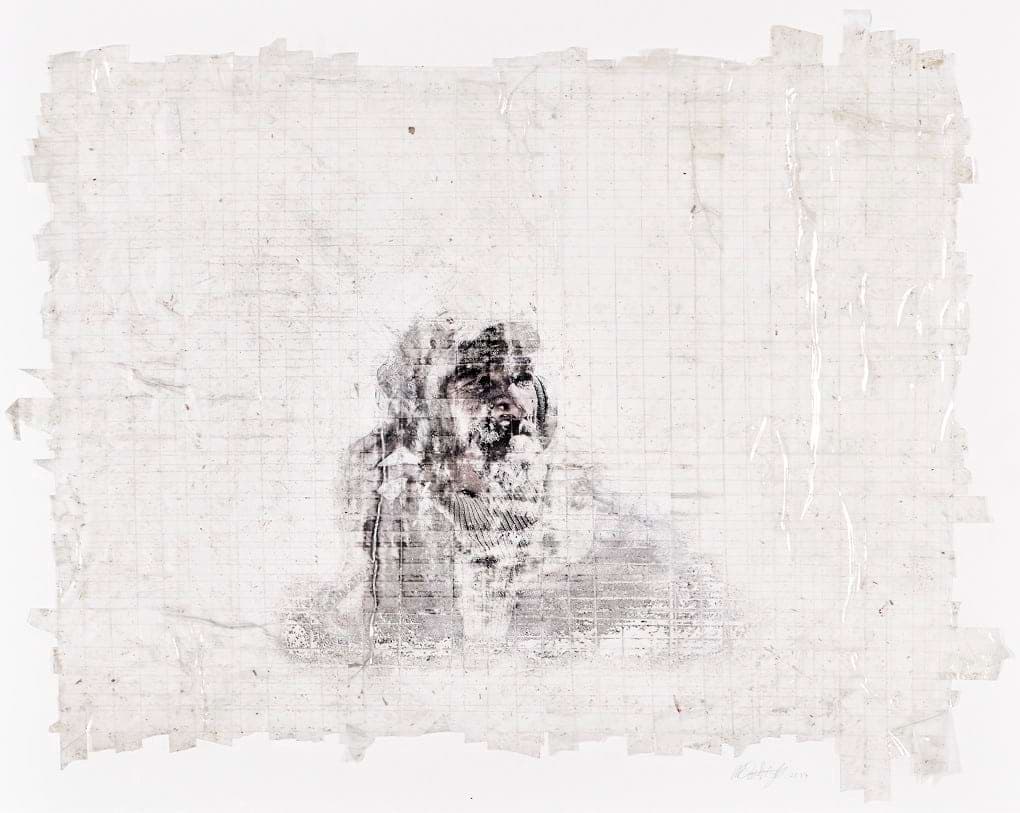
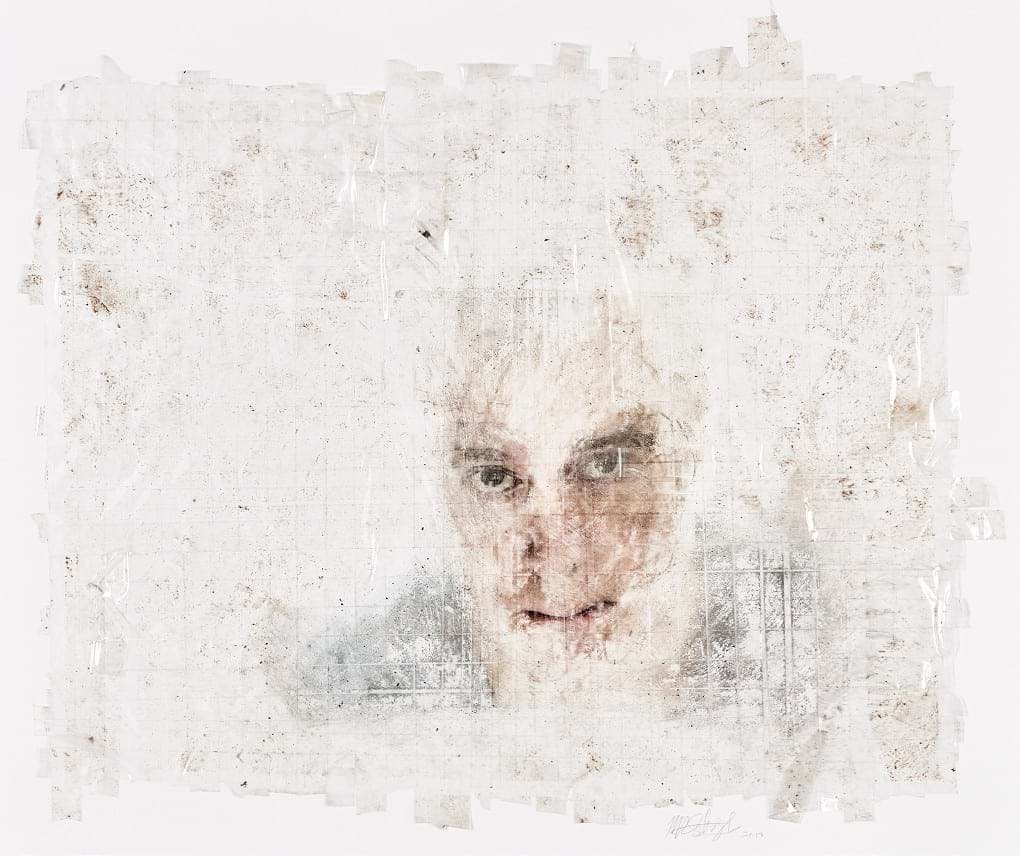
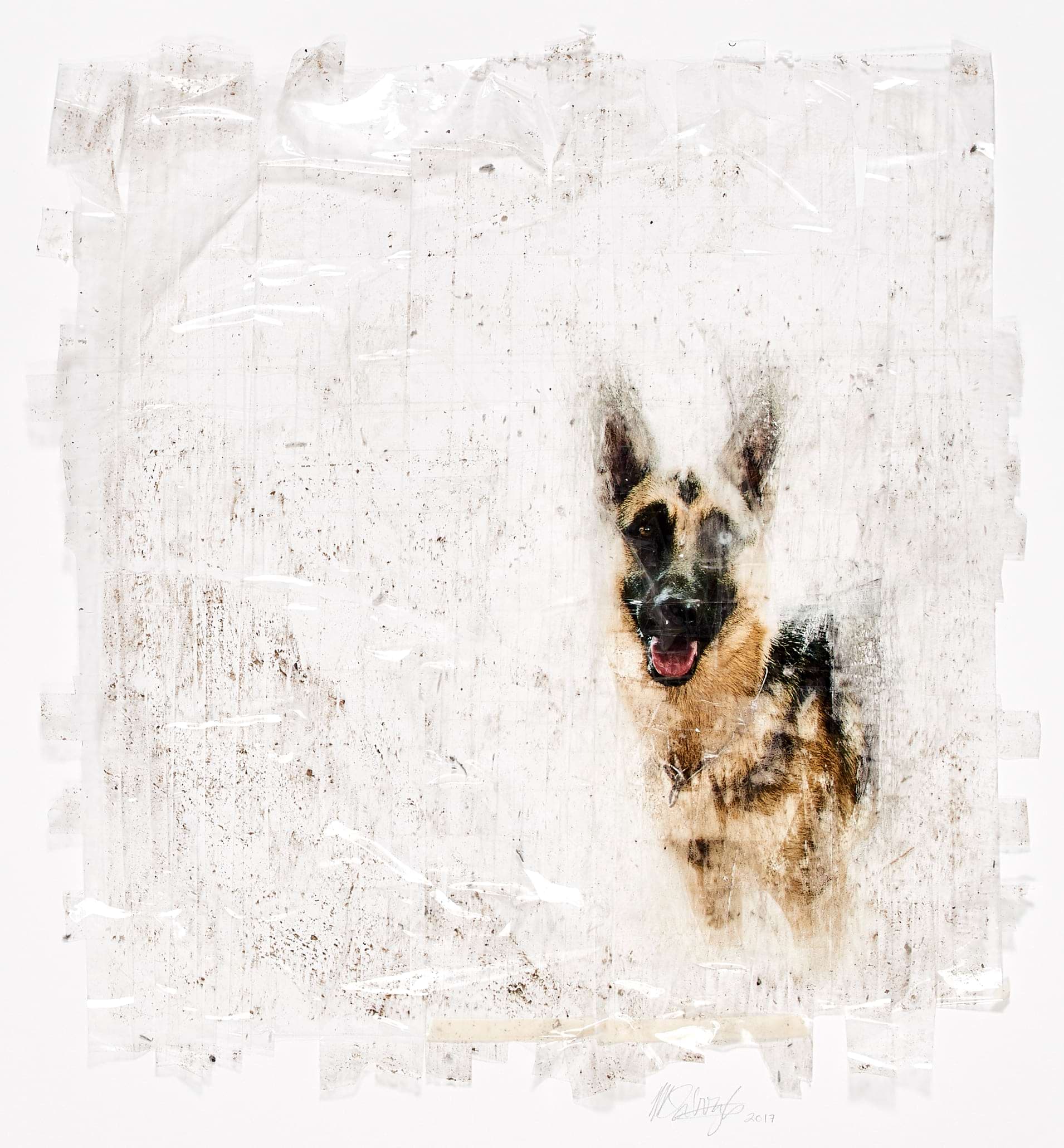
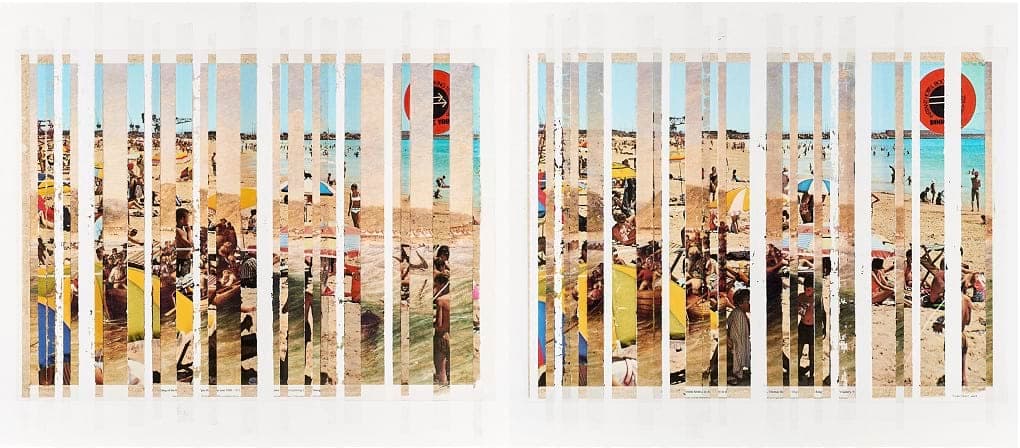

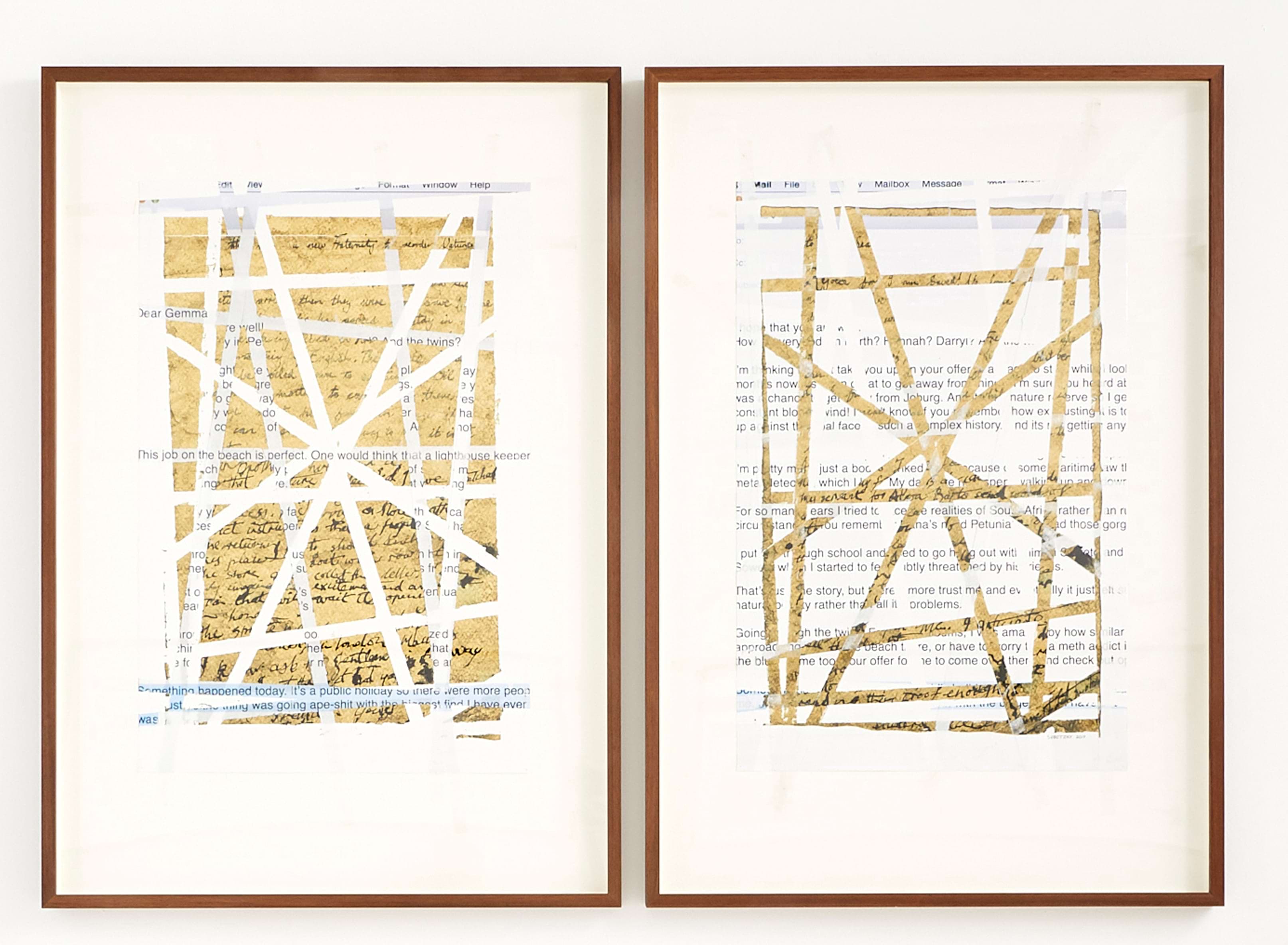
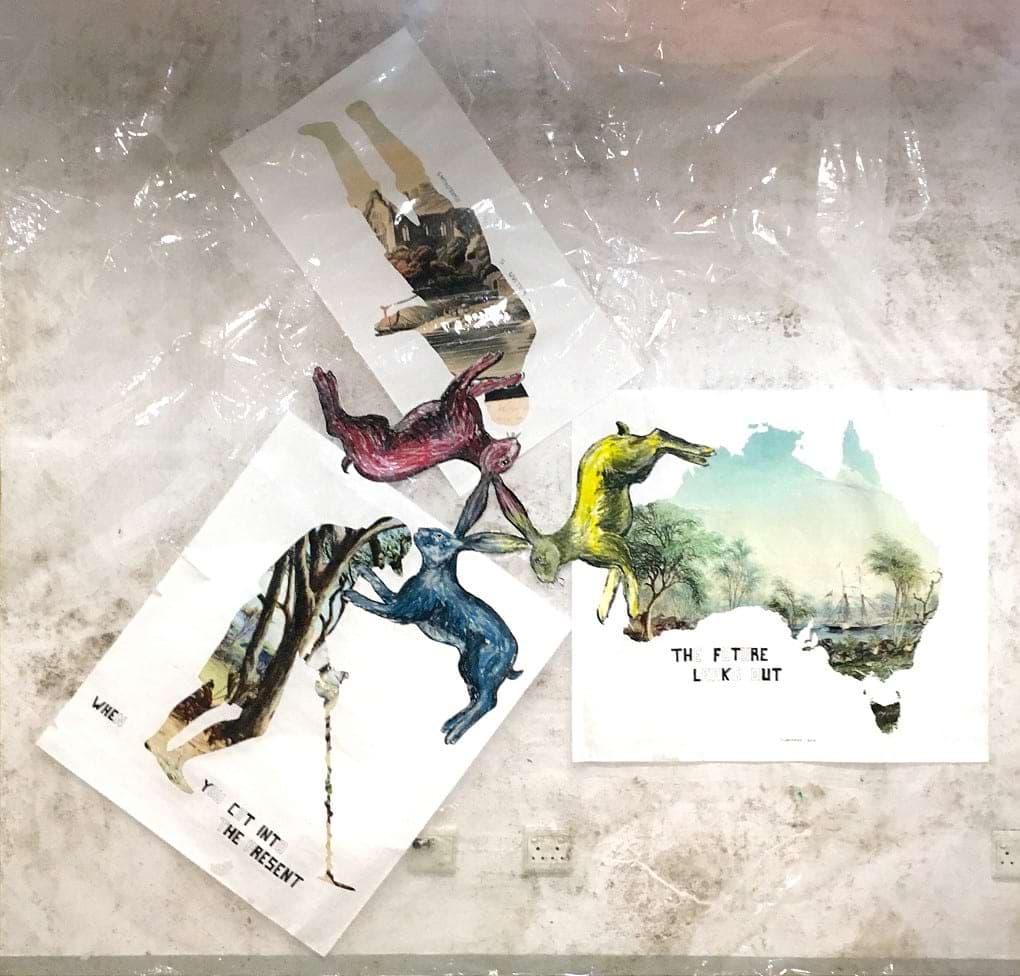
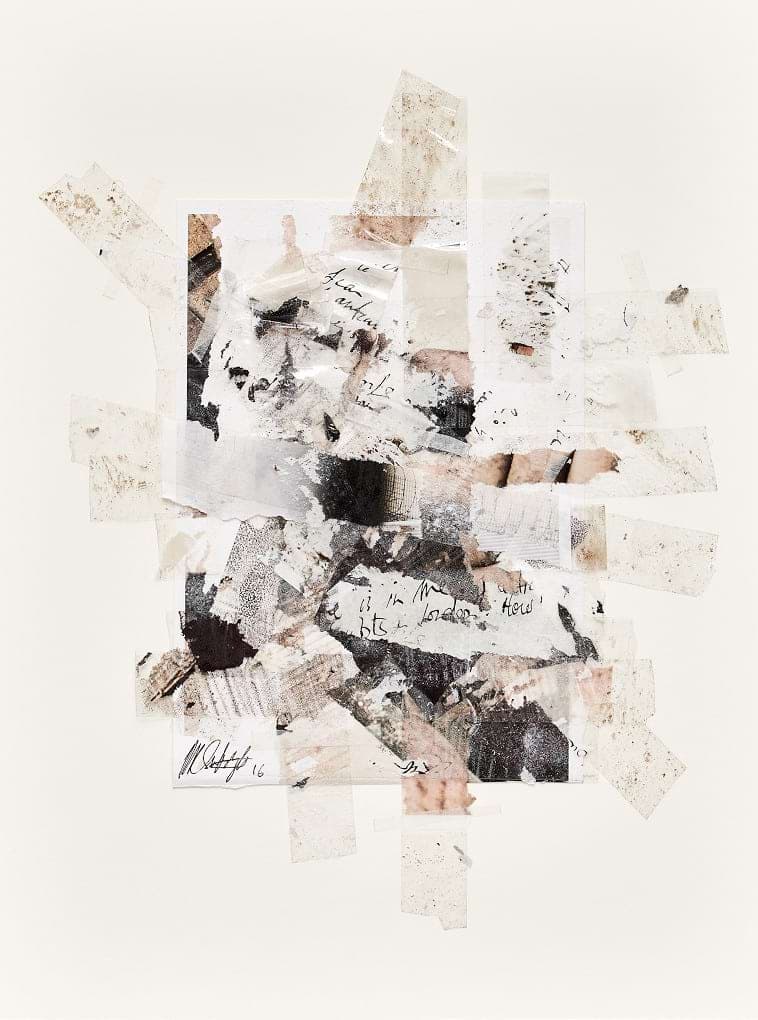
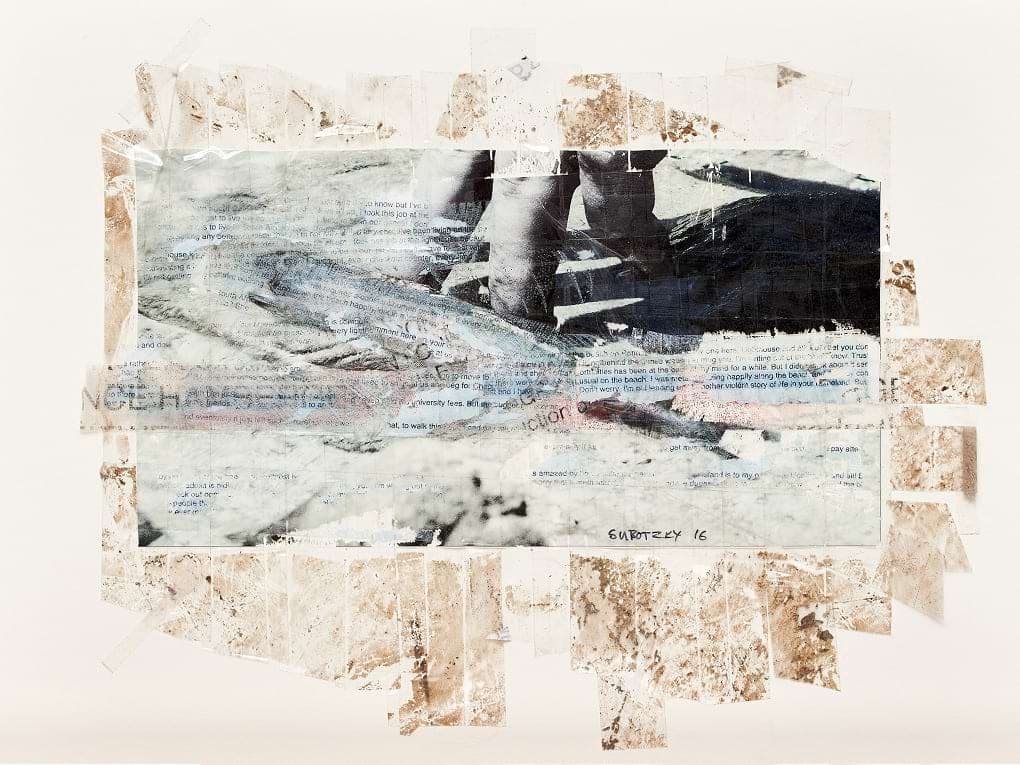
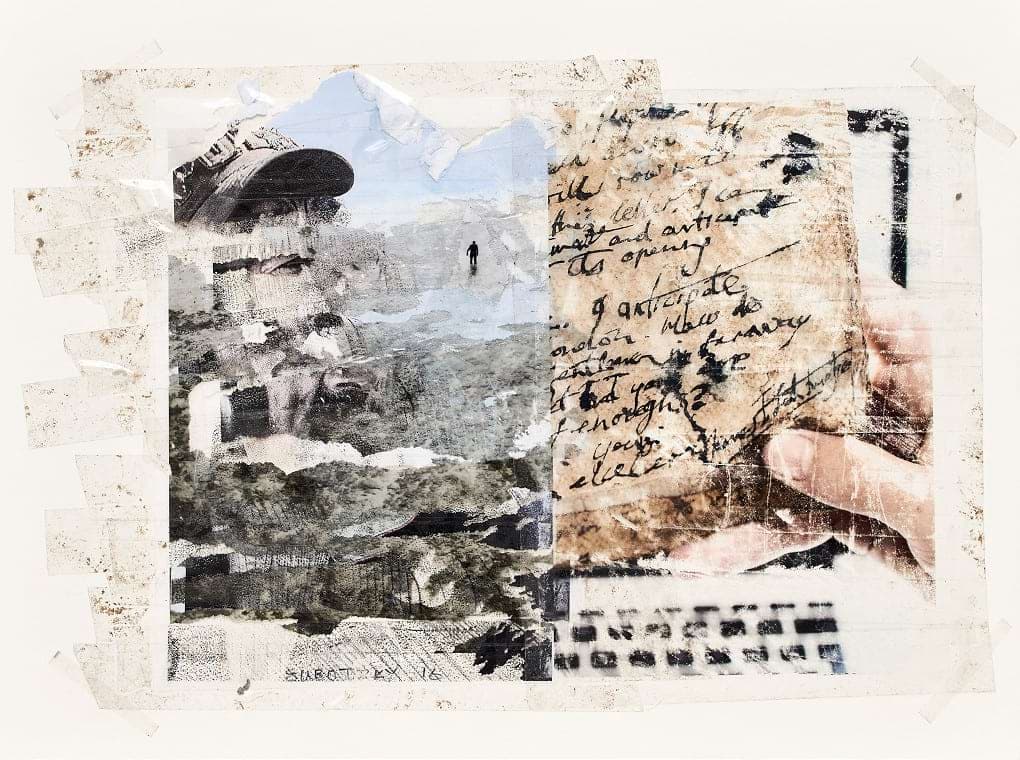
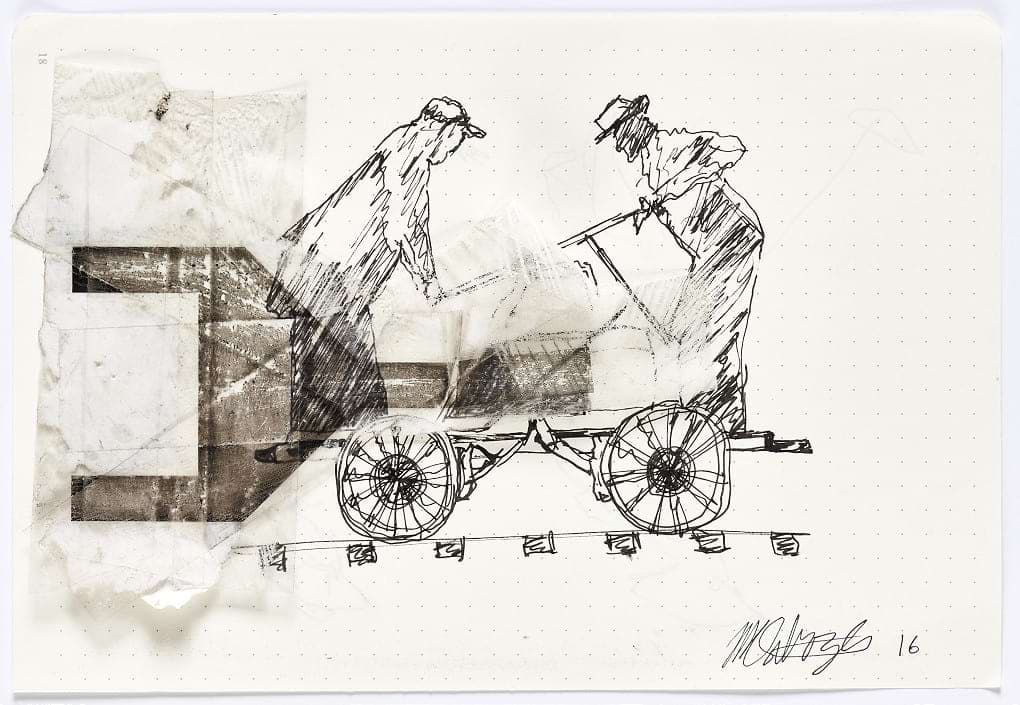
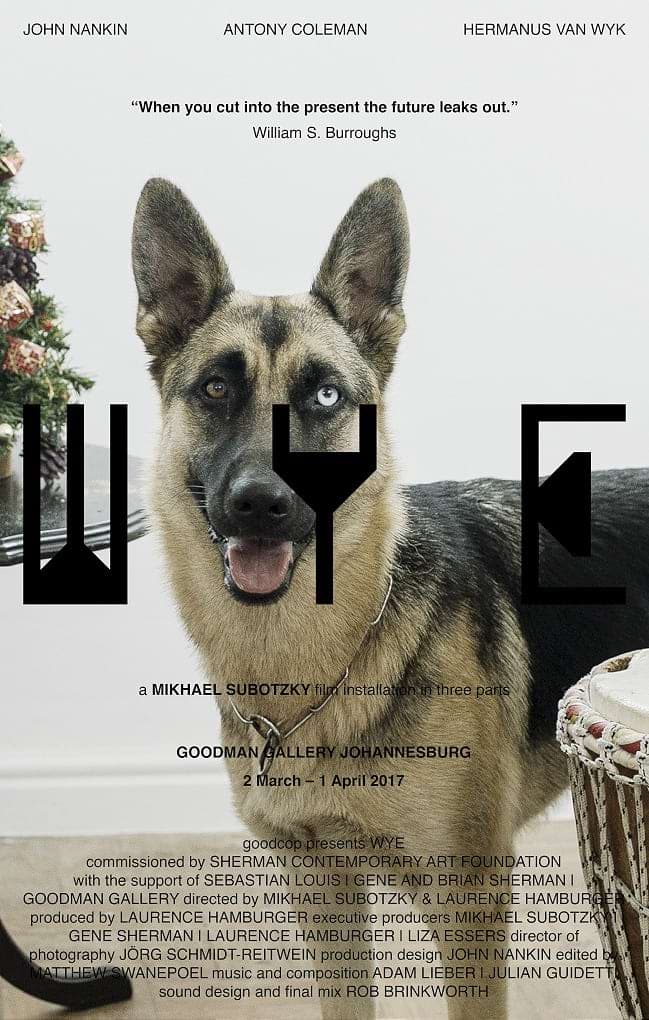
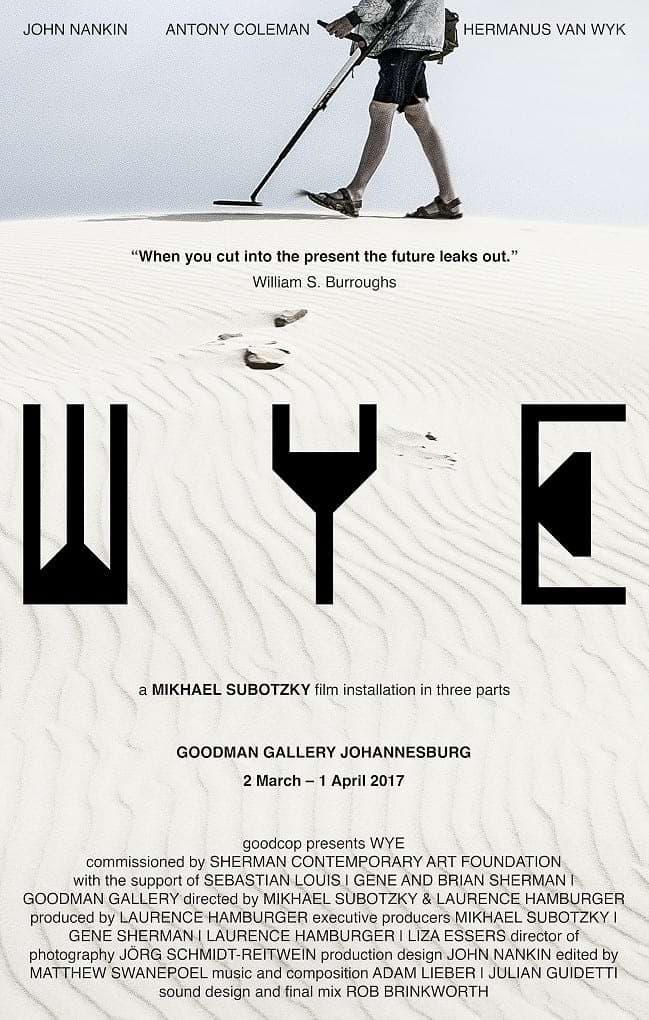
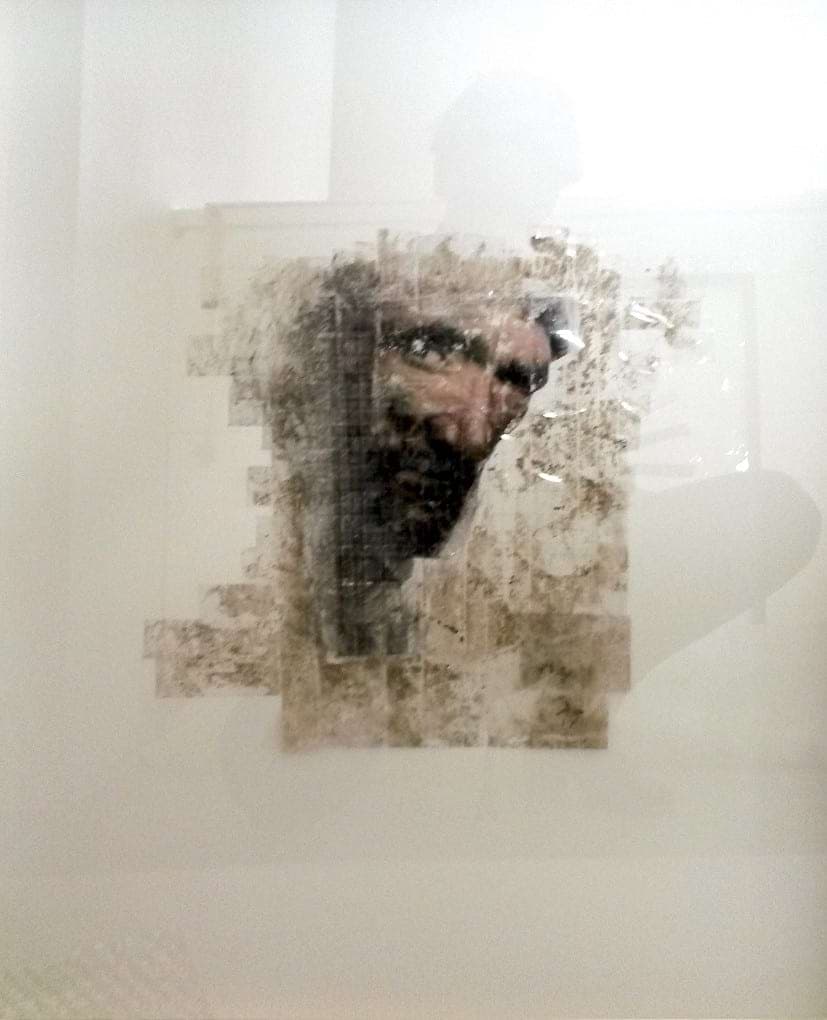
The act of drawing a map is the ultimate form of asserting ownership of land. The Sticky-Tape Transfer maps I have made are all futile attempts to defamiliarise our representations of the land. My film installation WYE (2016) brought together three narratives where the protagonist’s gazes at the landscapes of England, South Africa and Australia; each of these landscapes is loaded with the weight of the colonial project and white subjectivity. I made a Sticky-Tape Transfer map of each of these three territories, turned upside down and with all their names erased, in a futile attempt to look at them without the knowledge of the projects of ownership.
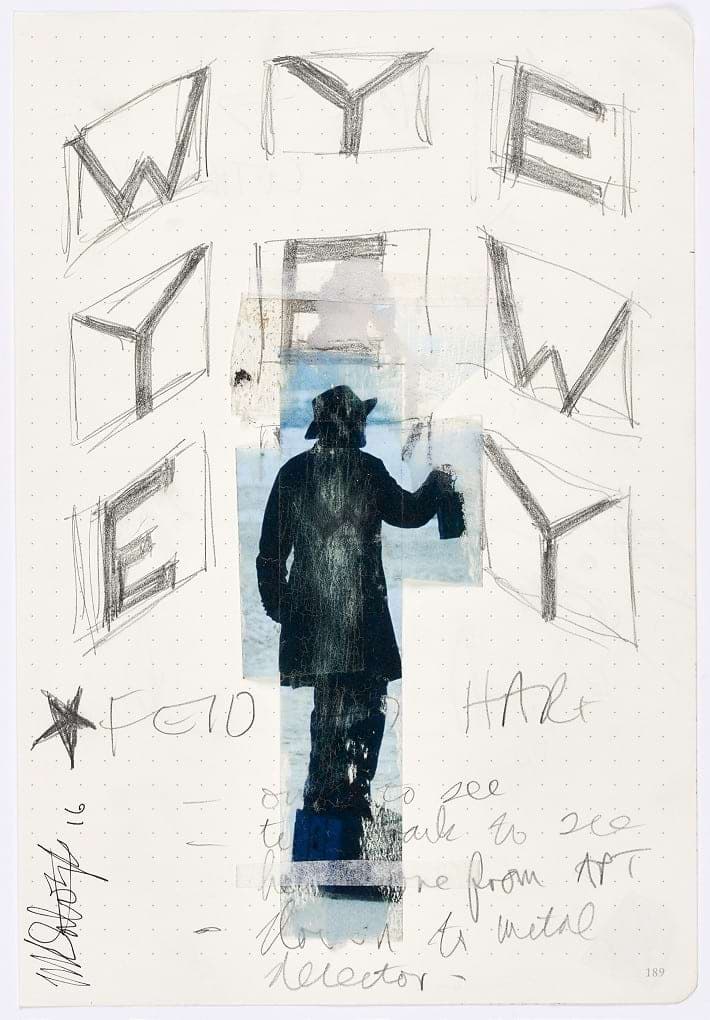
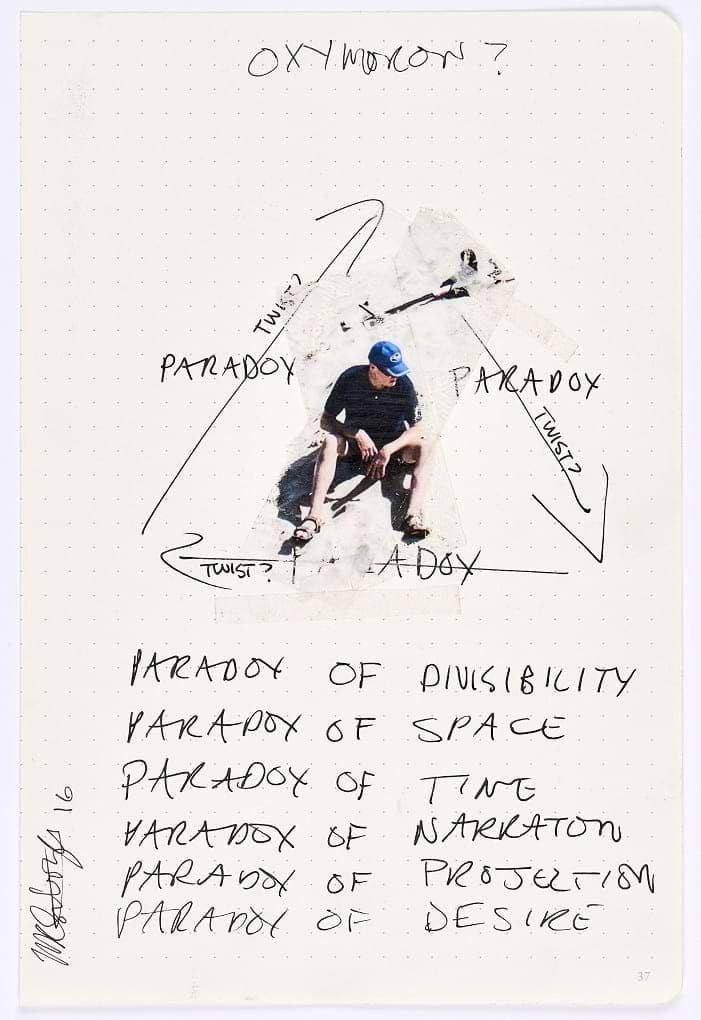
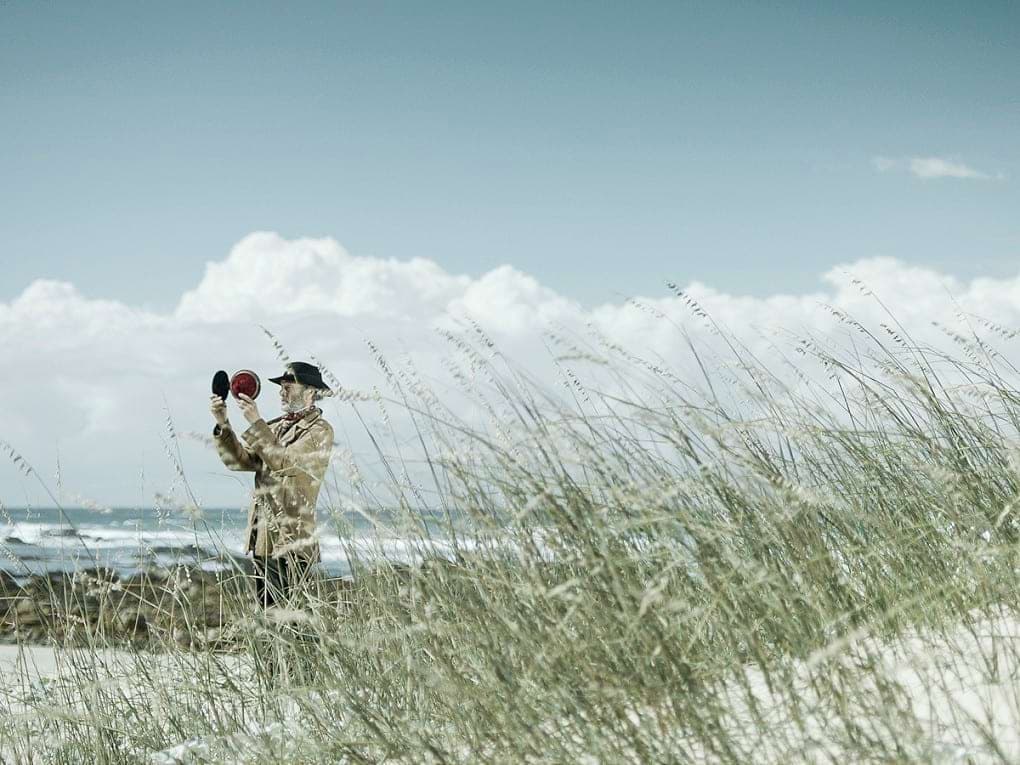
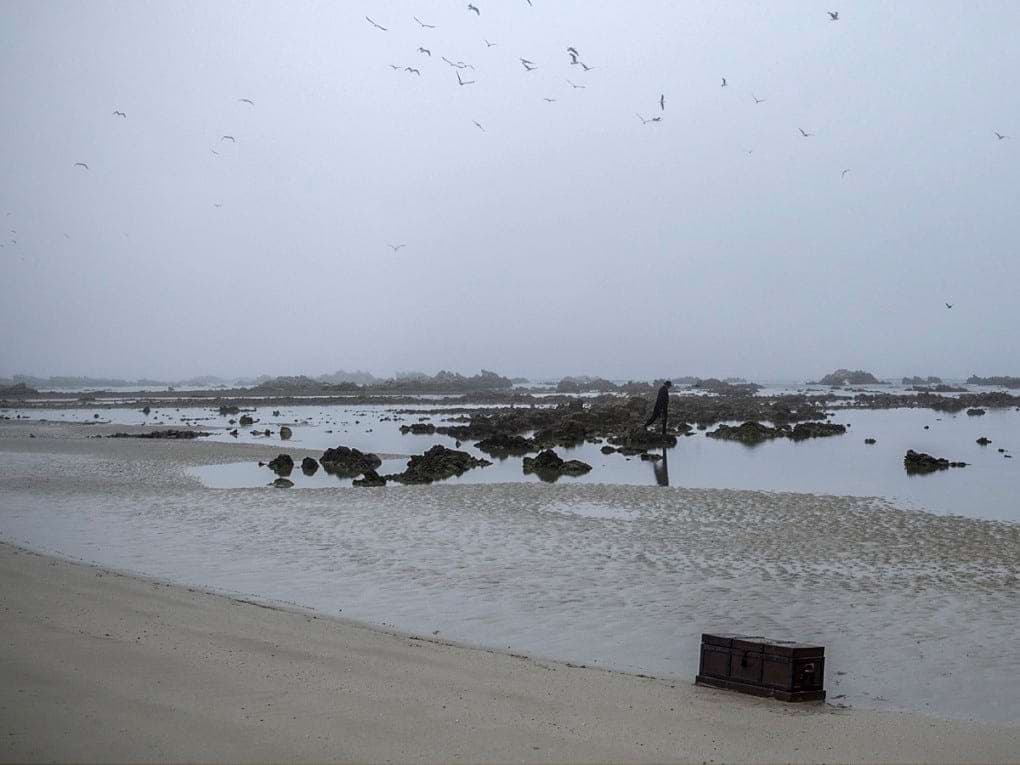
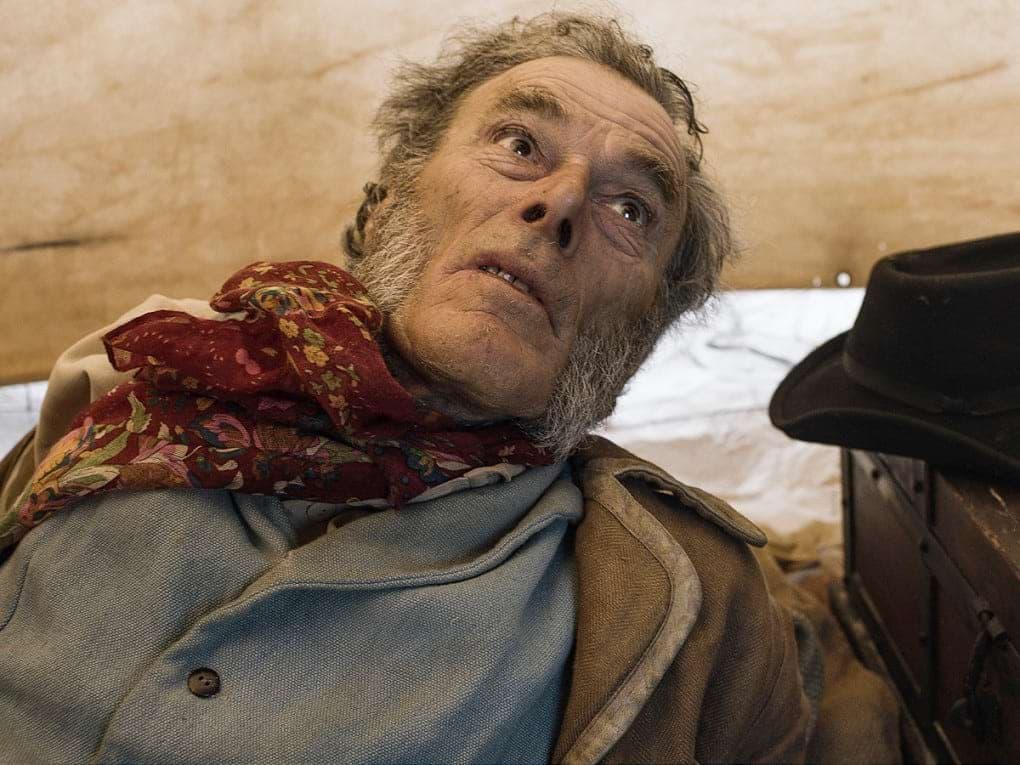
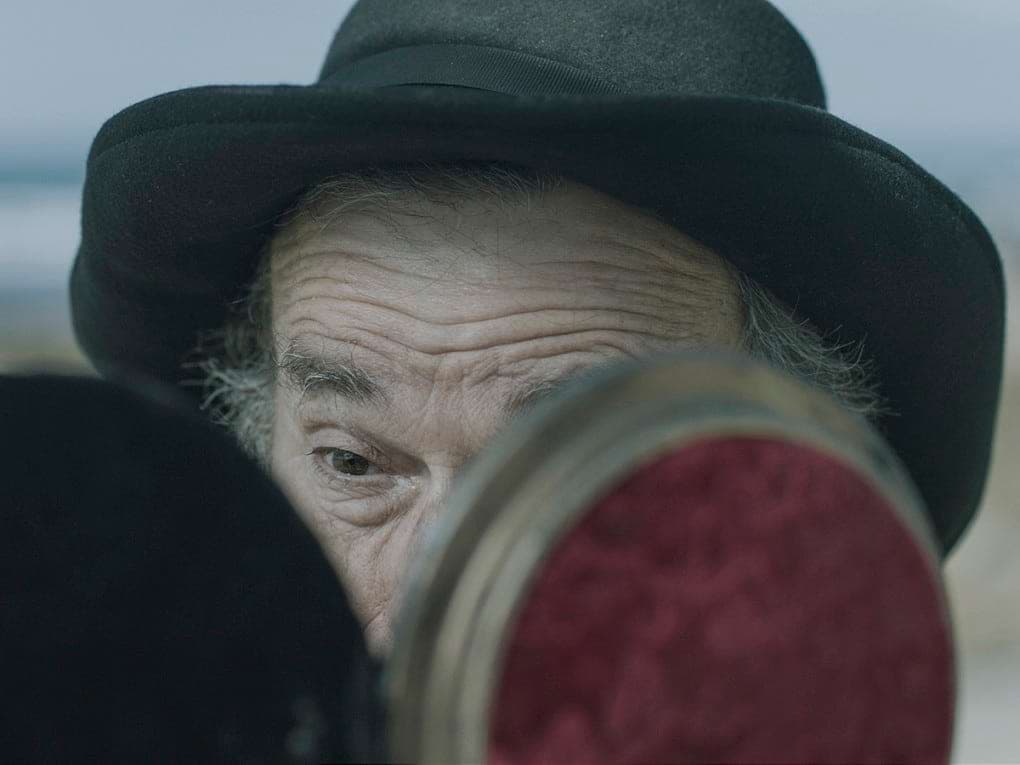
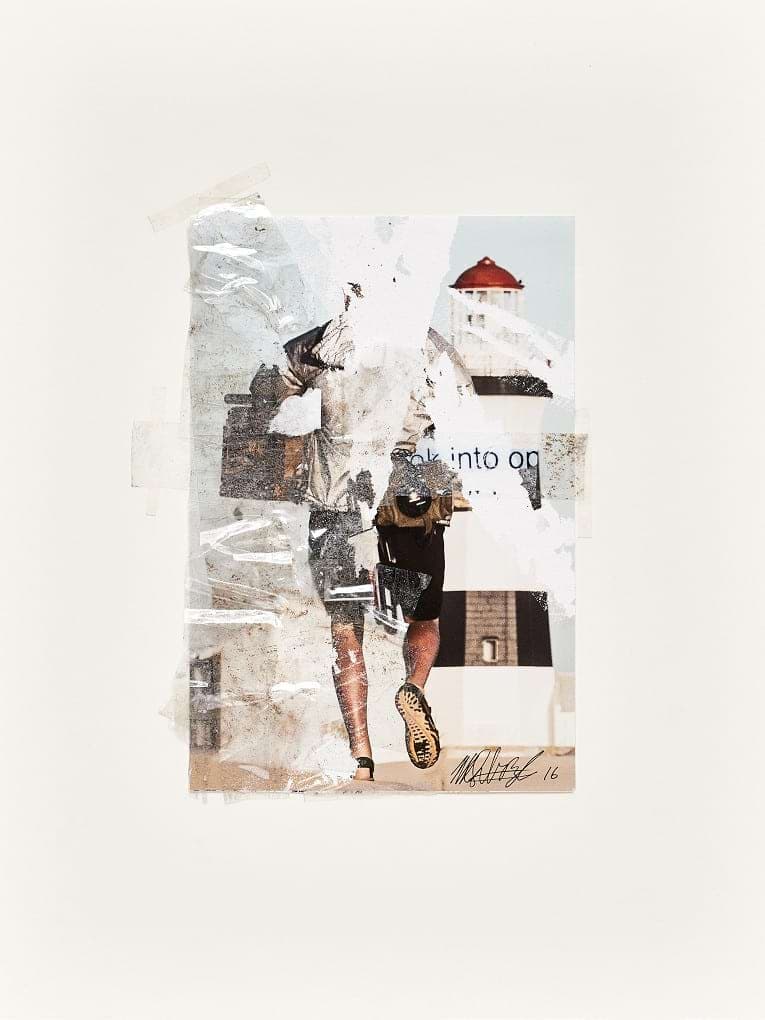
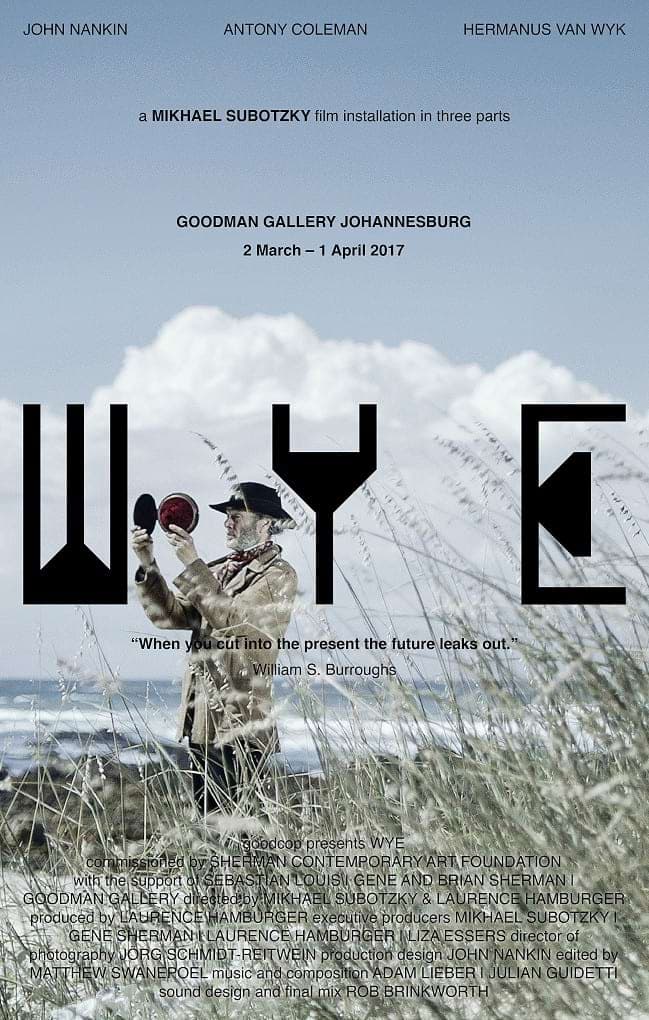
In WYE Study 19, Mikhael Subotzky splices together three film stills from the film WYE. Commissioned and exhibited by the Sherman Contemporary Art Foundation (Sydney) in 2016, WYE was, in part, an examination of the colonial body in the landscape and the relationship between the gaze of that body on the landscape as related to the fragility of that body in the landscape. The overarching structural and conceptual framework of Subotzky’s film installation derives from the letter Y (the phonetically-spelt Old English ‘wye’ of the title) whose shape has traditionally lent itself to a variety of practical applications, from railroad construction to mechanical and electrical engineering. Adapting it for artistic purposes, Subotzky envisages an imaginary cartographic triangle enveloping the United Kingdom, and two of its former colonies, South Africa and Australia, its exterior sides etched by the migration of people over centuries. In drafting a Y shape into the middle of this triangle and elevating it into a third dimension, the artist admits the imaginary space for a new fictional narrative in which these three countries converge across time and space. A narrative structure for WYE is thus harnessed which spans three temporalities – historical, contemporary and futuristic – and three disparate colonial experiences: English, Australian and South African.
Drawn from the letter Y, Old English "wye," whose forked shape maps an imaginary triangle between the United Kingdom, South Africa and Australia.
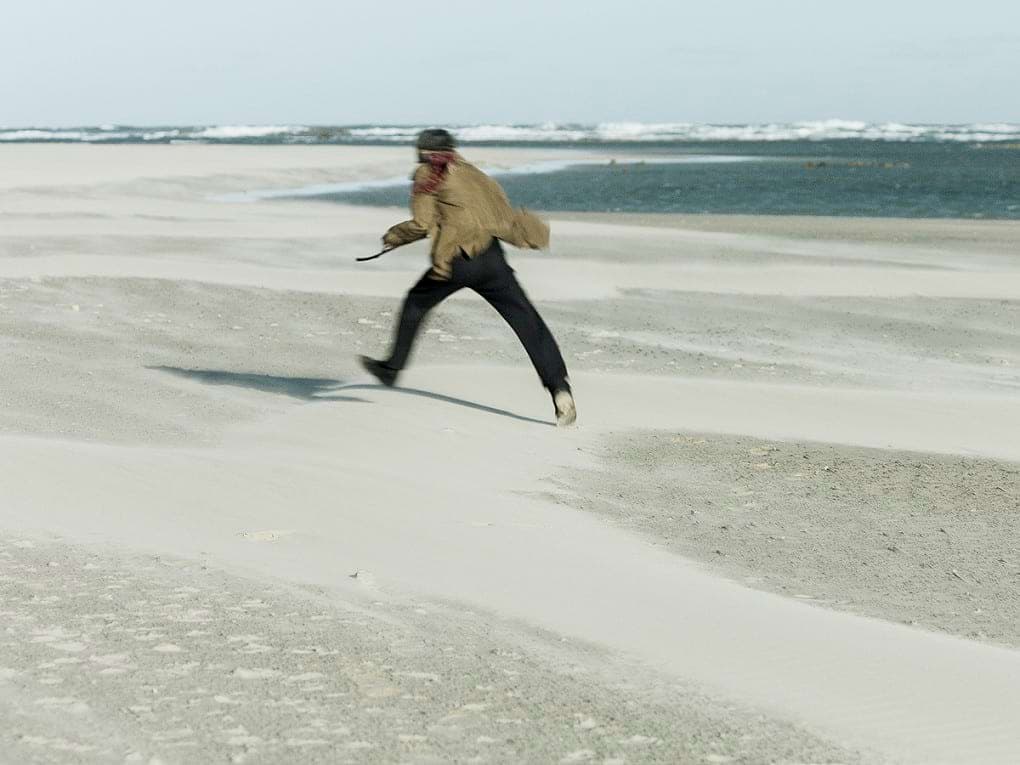
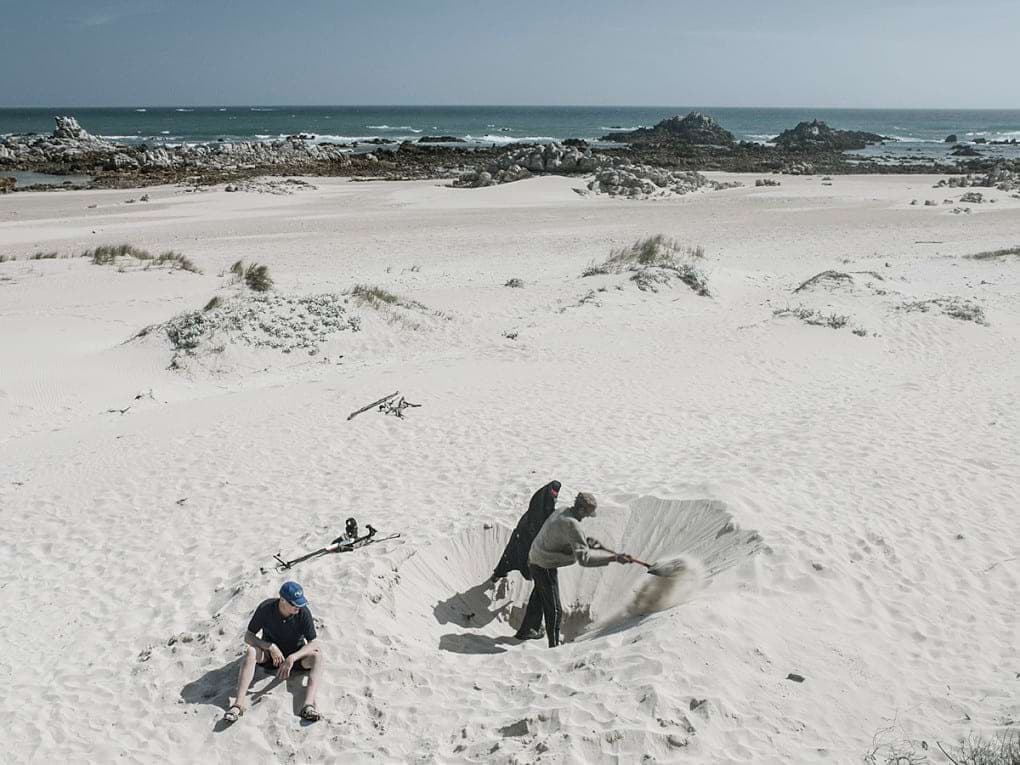
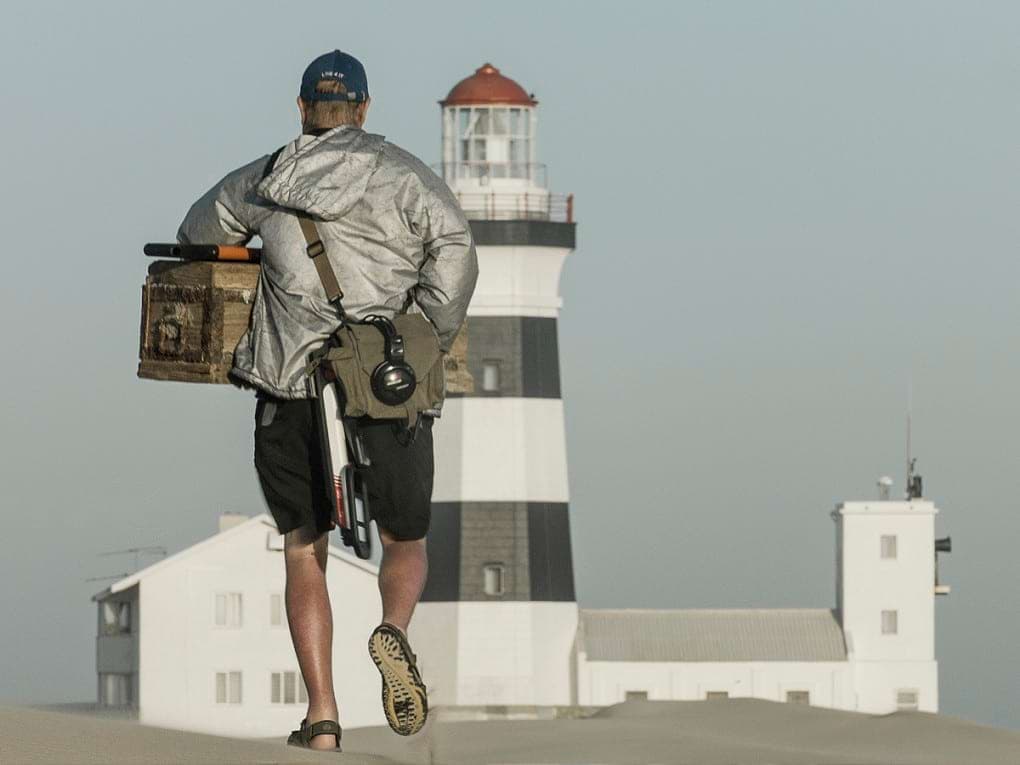
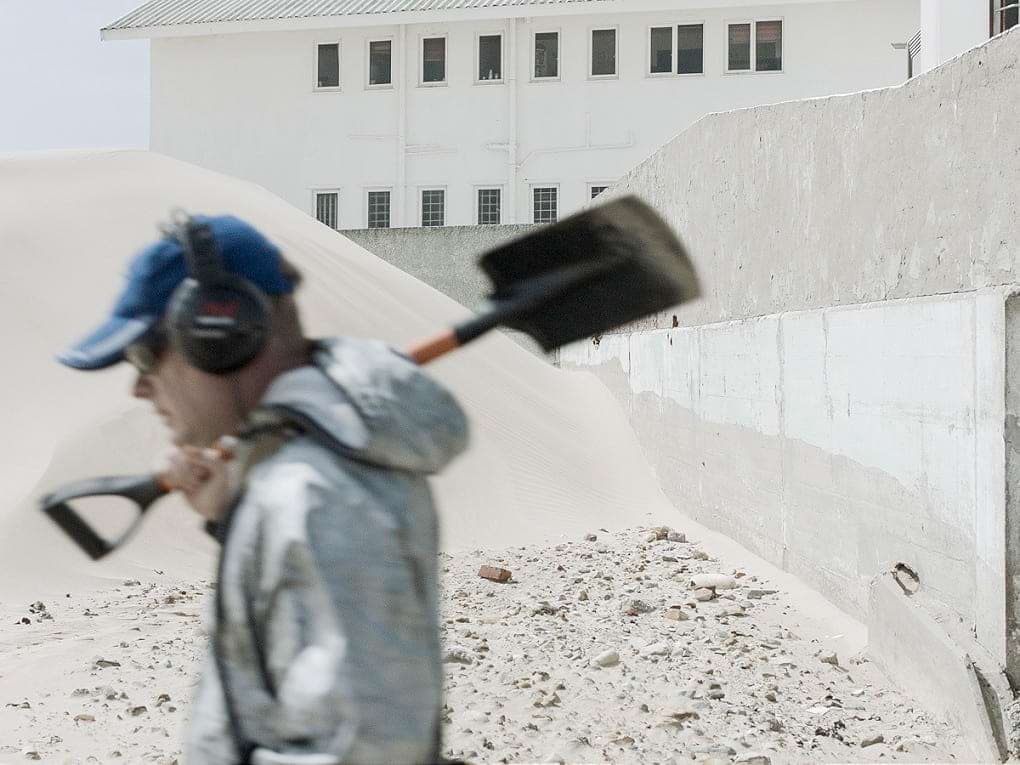
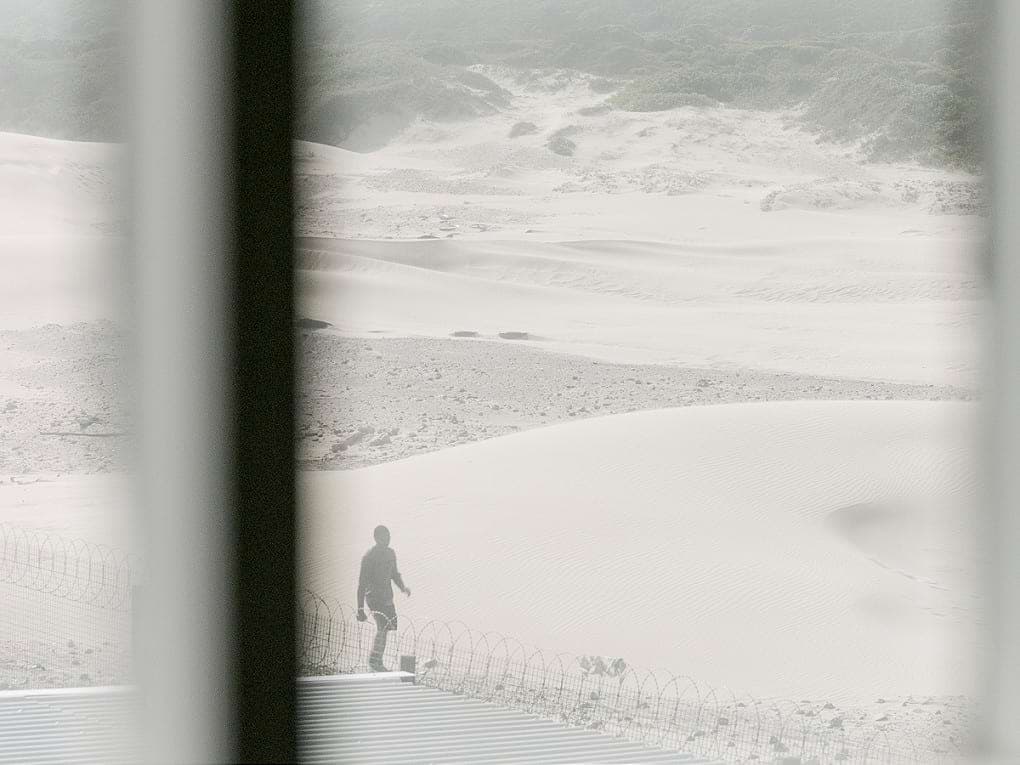
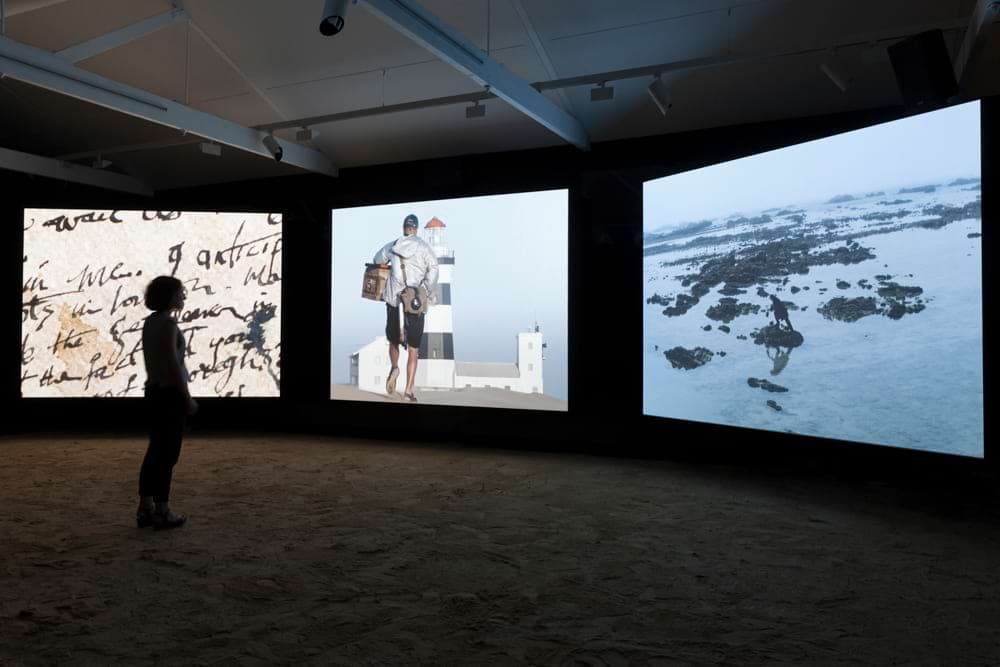
Three films play simultaneously, each following a different character on the same stretch of beach at the Cape Recife Nature Reserve outside Port Elizabeth.
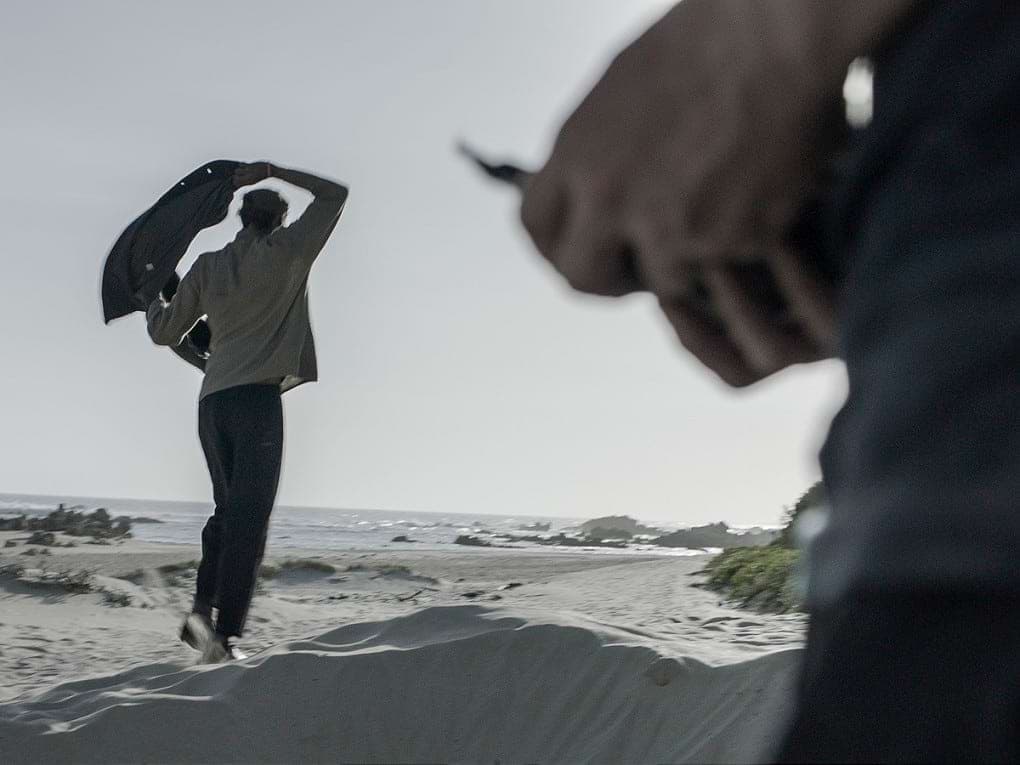
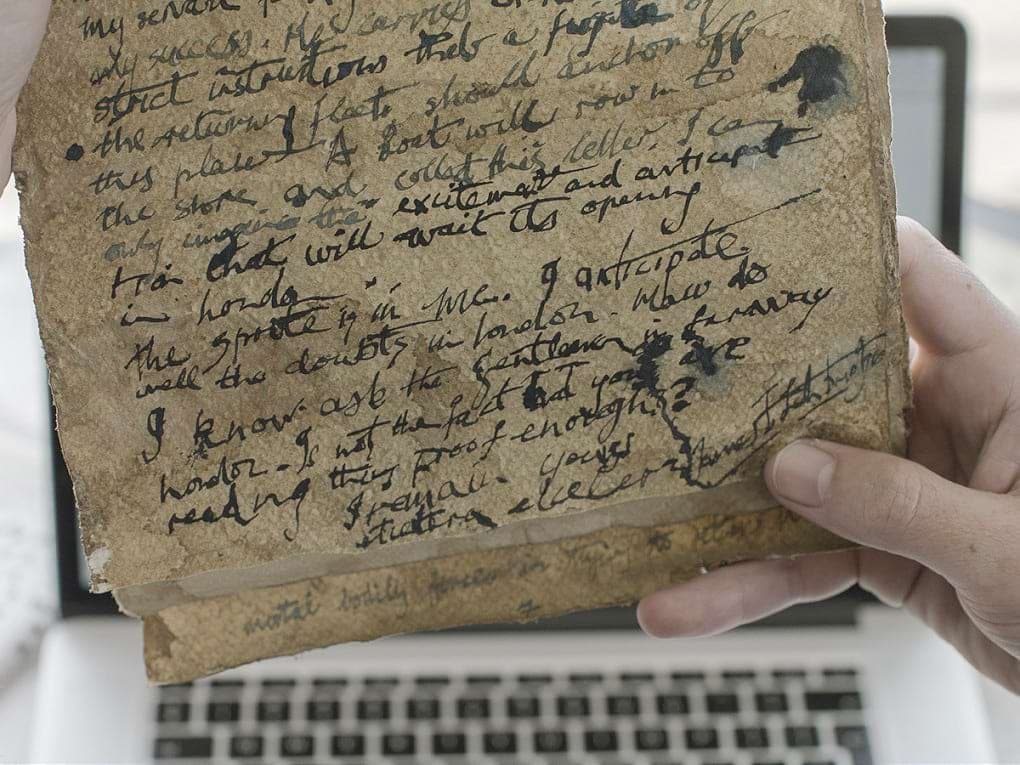
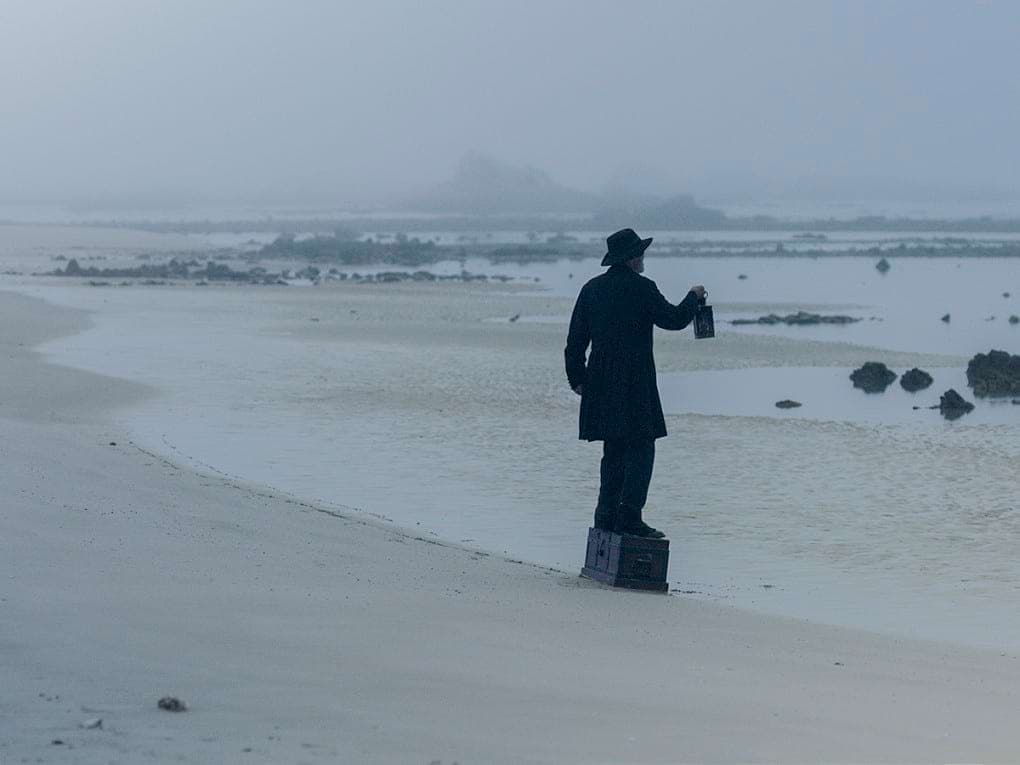
James T. Lethbridge is an 1820 British settler dowsing the Eastern Cape coastline with a hazel rod, writing letters home to the Dowsing Guild of London.
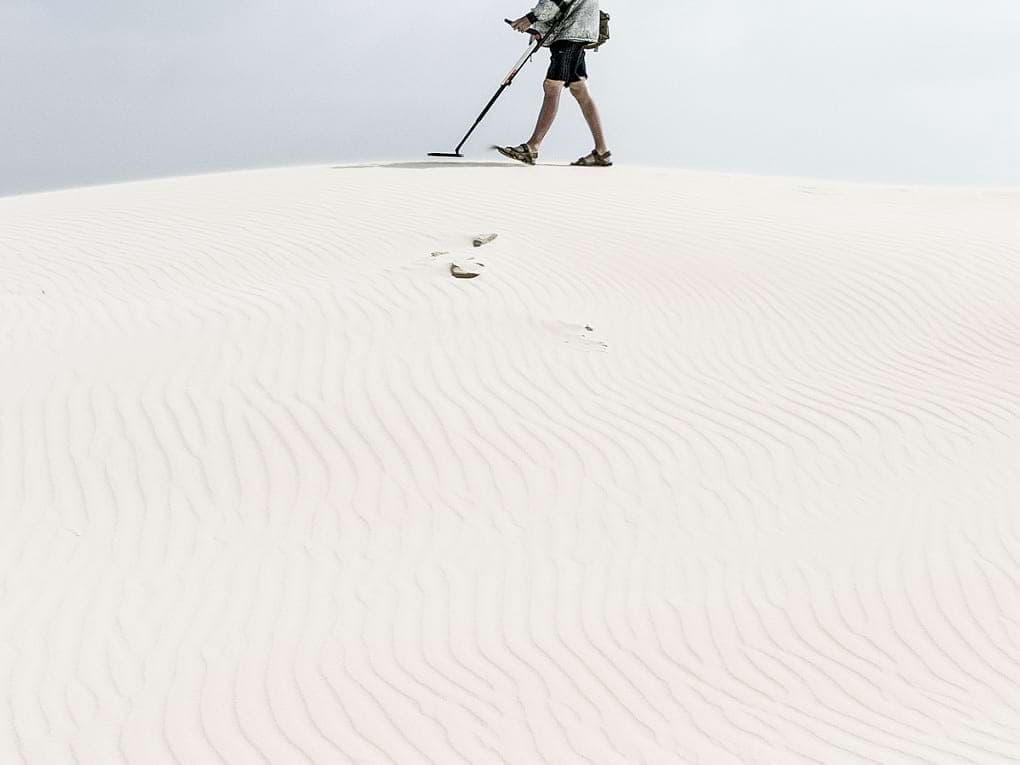
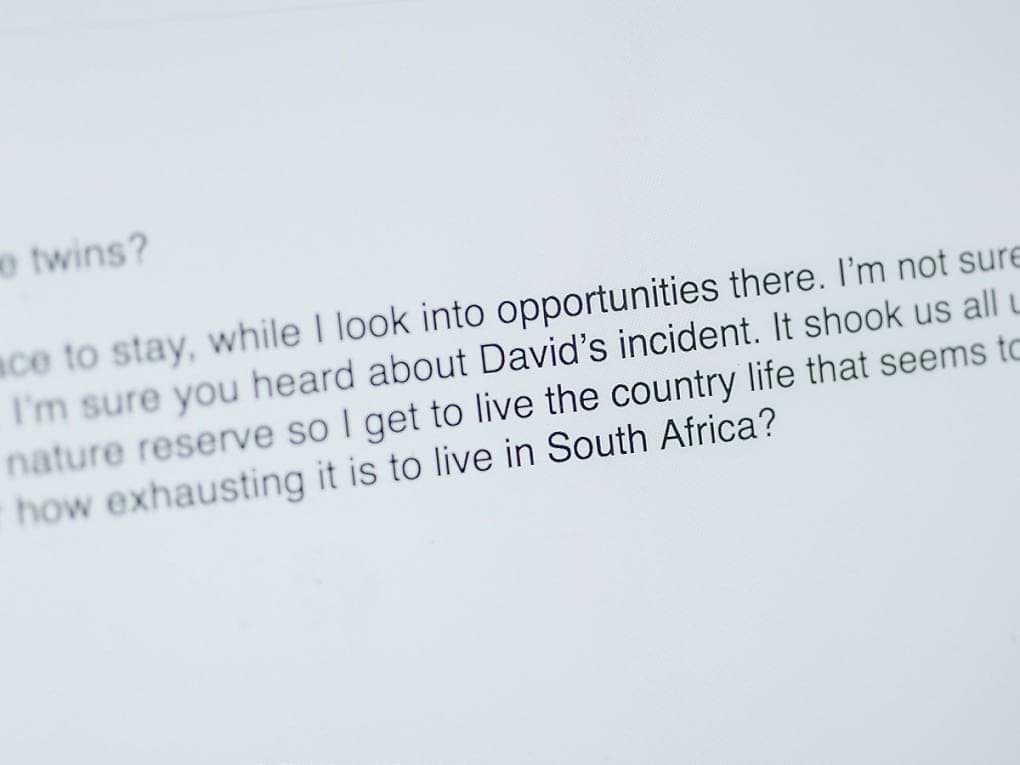
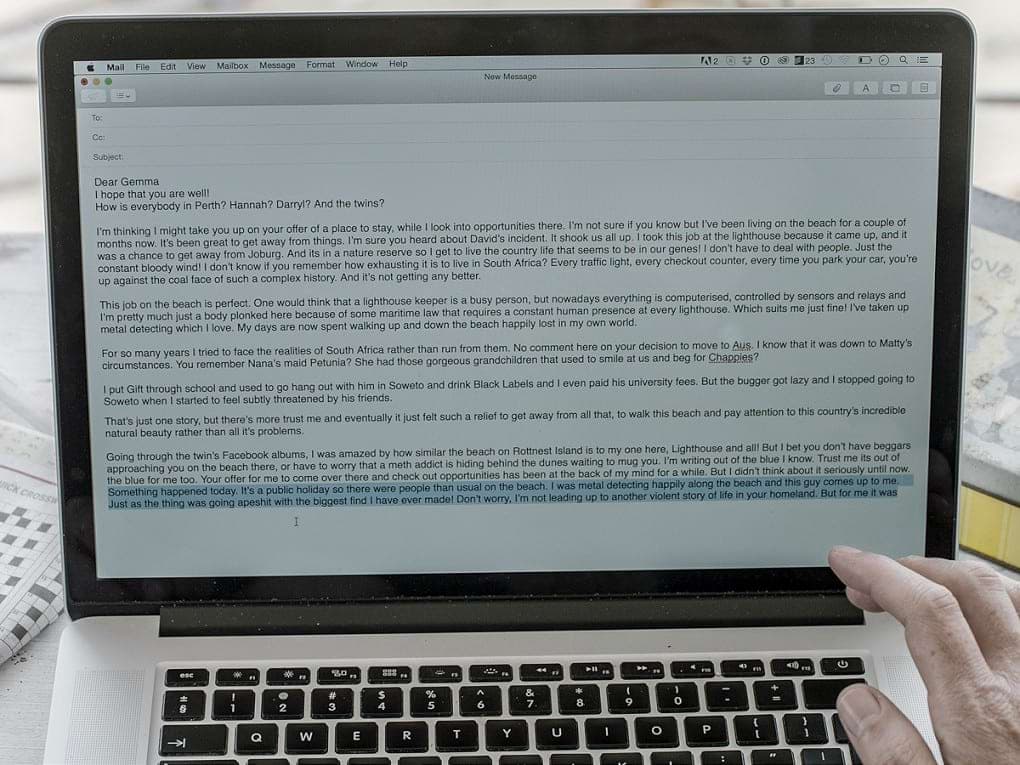
Craig Hare is a white South African man in his forties, metal-detecting the same beach in the present day, planning to emigrate to Australia.
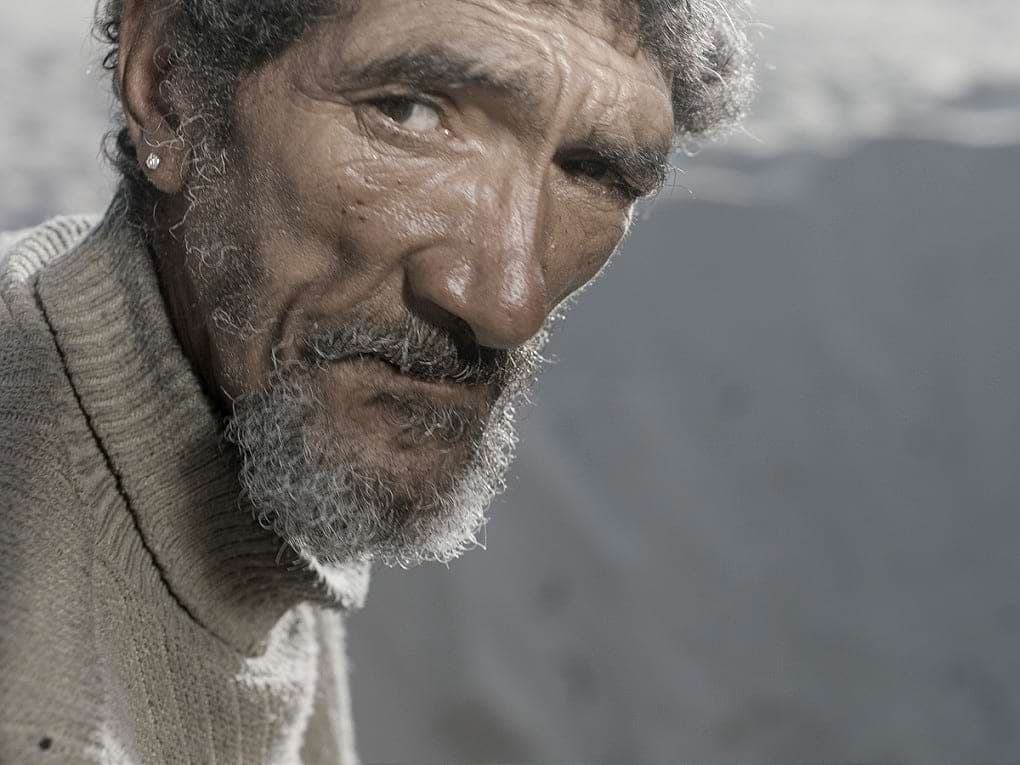
Feio is an androgynous psycho-anthropologist from the future, studying Hare as an anthropological subject by inhabiting his body and consciousness through a practice called "deep enactment."
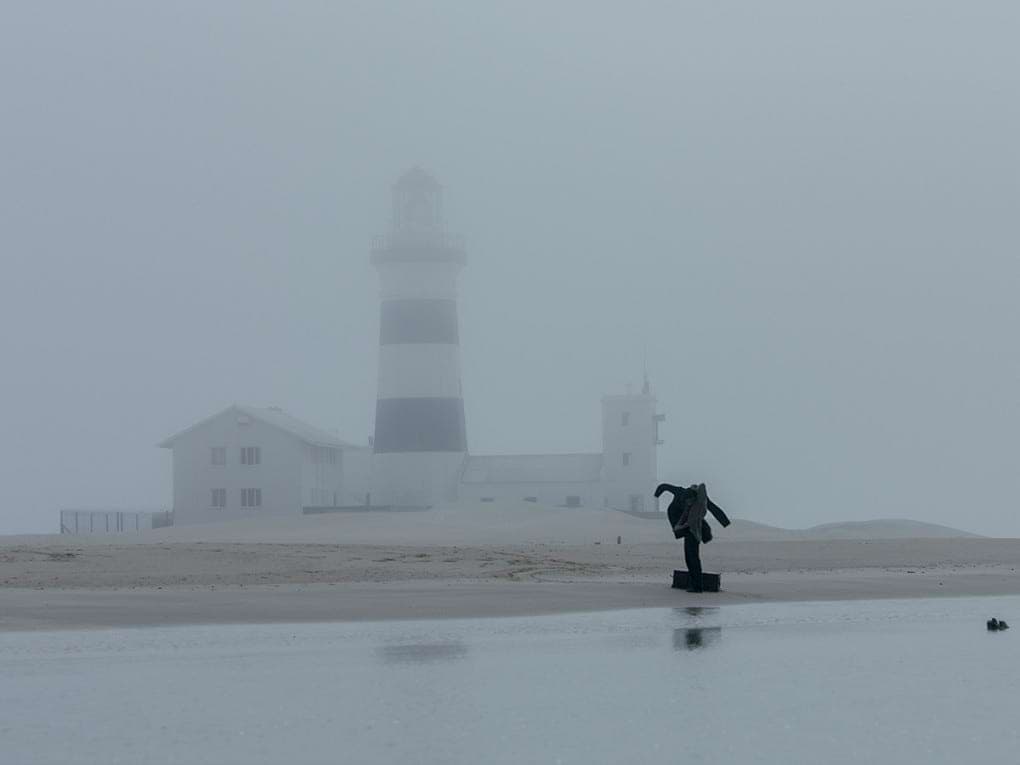
All three are watched over by a striped lighthouse that recurs across each film.