Opera Review: Sound, Charcoal, and Memory: The Many Layers of William Kentridge’s “Sibyl”
Ambiguity has a bad name in the arts right now, a time when the gaslighting political environment seems to require reinforcement of clear stances and definitions, and algorithms shuttle attention into narrower and narrower imaginative spaces.
But that doesn’t make ambiguity automatically suspect. There are ways to take a stand — moral, political, ecological, aesthetic — that remain capacious doors to exploration, to surprise, and to wonder.
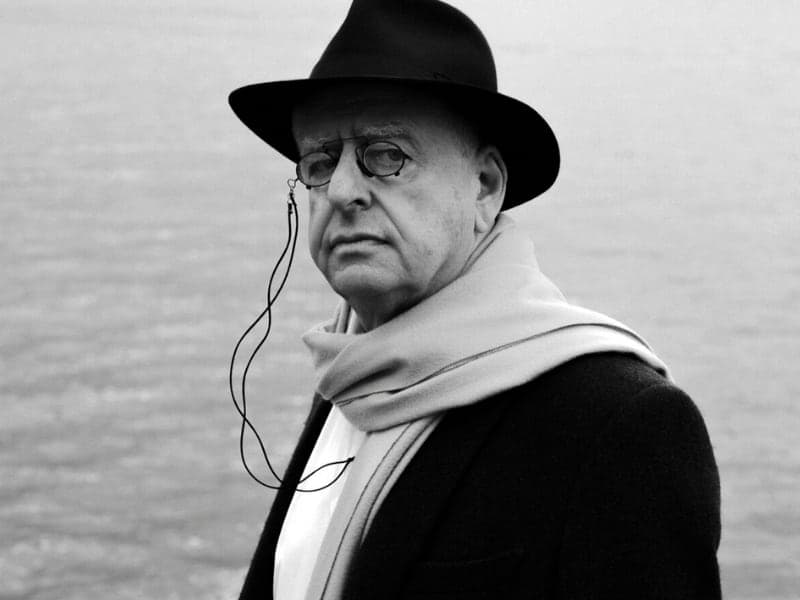
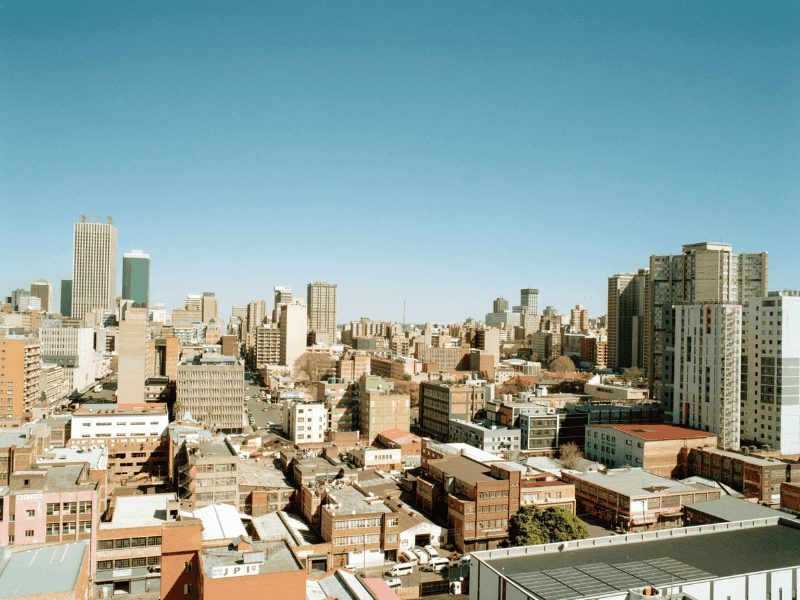
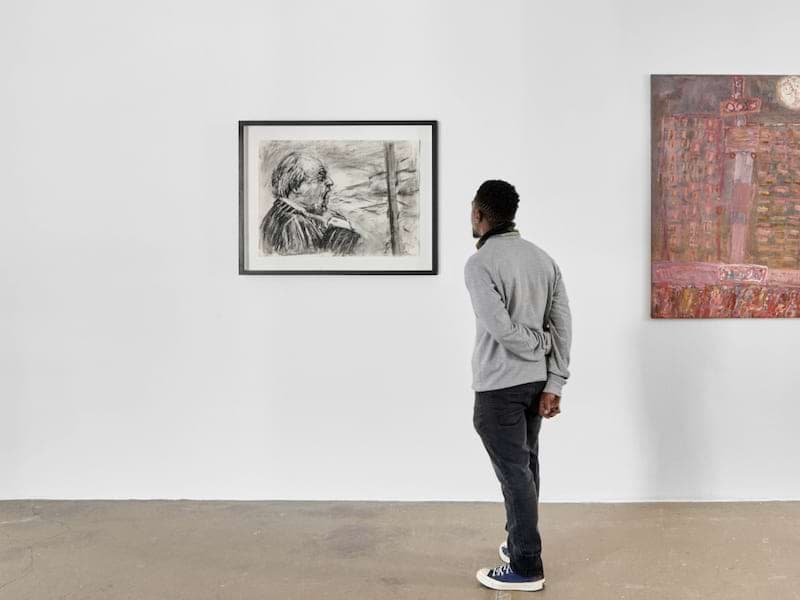
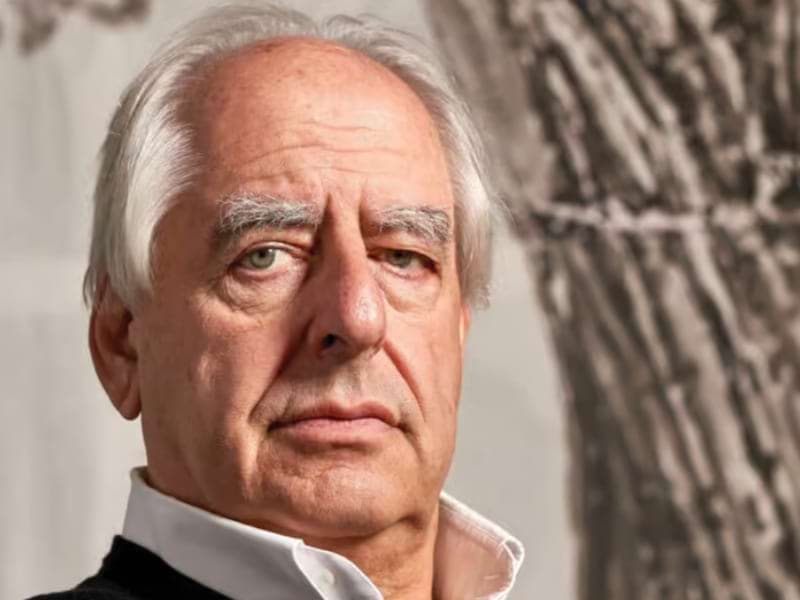
The work of South African artist William Kentridge is Exhibit A. This Johannesburg-born and -raised visual artist and theater-maker has never created didactic work, although he came to humane, anticolonialist politics early, from the cradle. His father was a leading anti-apartheid lawyer of the ’60s and ’70s who defended the family of activist Steve Biko, murdered in police custody. His mother co-founded the South African Legal Resources Centre. Kentridge’s oeuvre — drawings, films, works of puppetry and theater — during the apartheid era foregrounded the mutual incomprehensibility between the Black and white communities (both Afrikaners and the more contingently positioned Jewish population to which Kentridge’s family belongs), who inhabited the same industry- and war-ravaged landscapes but had completely different experiences of personal and collective agency, comfort, and possibility.
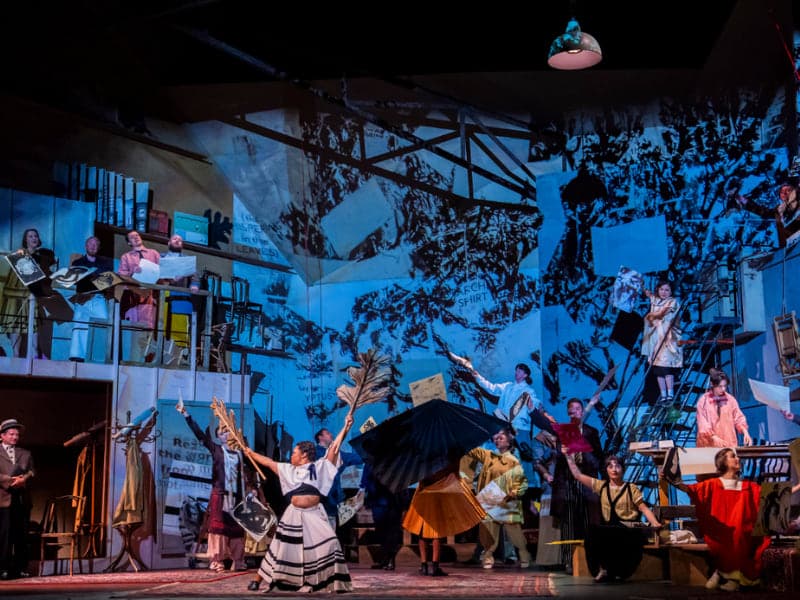
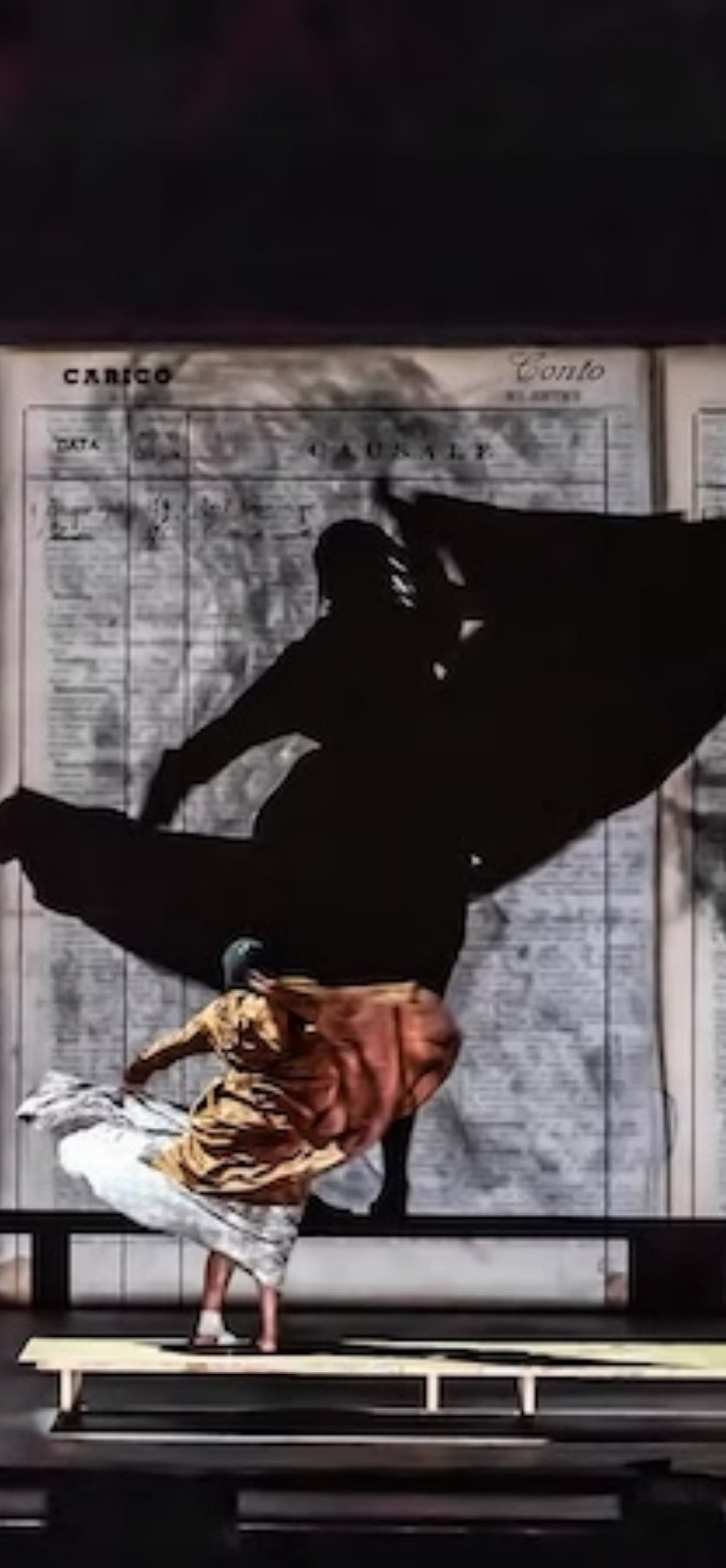
Sibyl had an unsettling journey to The Powerhouse in Gowanus this month. The venue is a smashing (if hard to find from the street!) converted former power plant turned “art factory” designed by Herzog and de Meuron, which features maker spaces, print and ceramic studios, and a comfortable, flexible theater space.
Related Press
See AllL’Orfeo review – Kentridge’s exhilarating creativity animates compelling Monteverdi
The Guardian | Flora Willson15 Jun 2026“I’m interested in what happens when you smash different things together” – an intimate conversation with William Kentridge
HERO Magazine07 Jan 2026African art finds a global stage in Johannesburg, featuring Goodman Gallery
Art Basel05 Sep 2025William Kentridge on Politics, South Africa and Elon Musk
The Times01 Sep 2025An artistic unfolding of the complexity that is SA’s terrible past
Business Day18 Jun 2021Financial Times Speaks to William Kentridge About his New Work That Combines Illusion, Animation and Energy
Financial Times11 May 2020