Unathi MkontoIf Joburg had a beach, who would go?
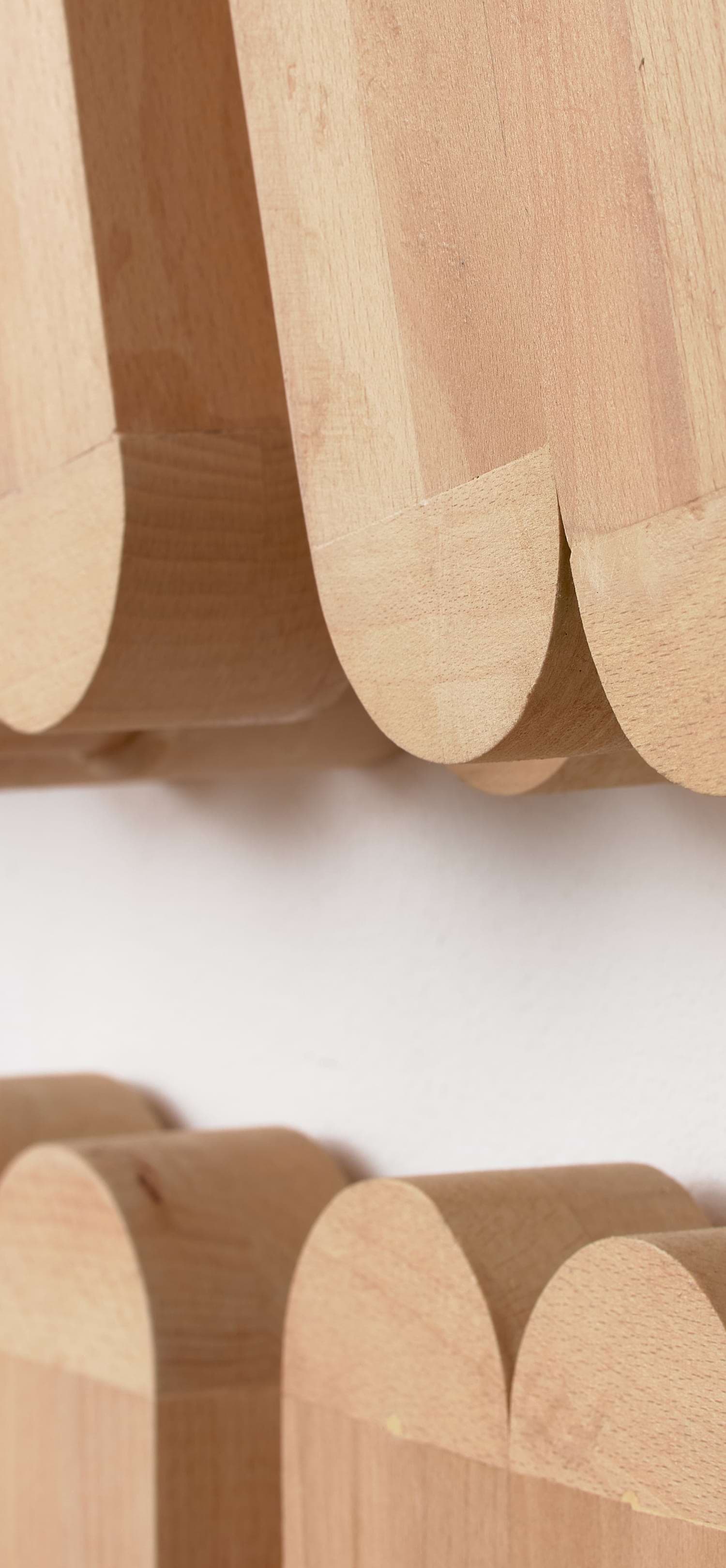
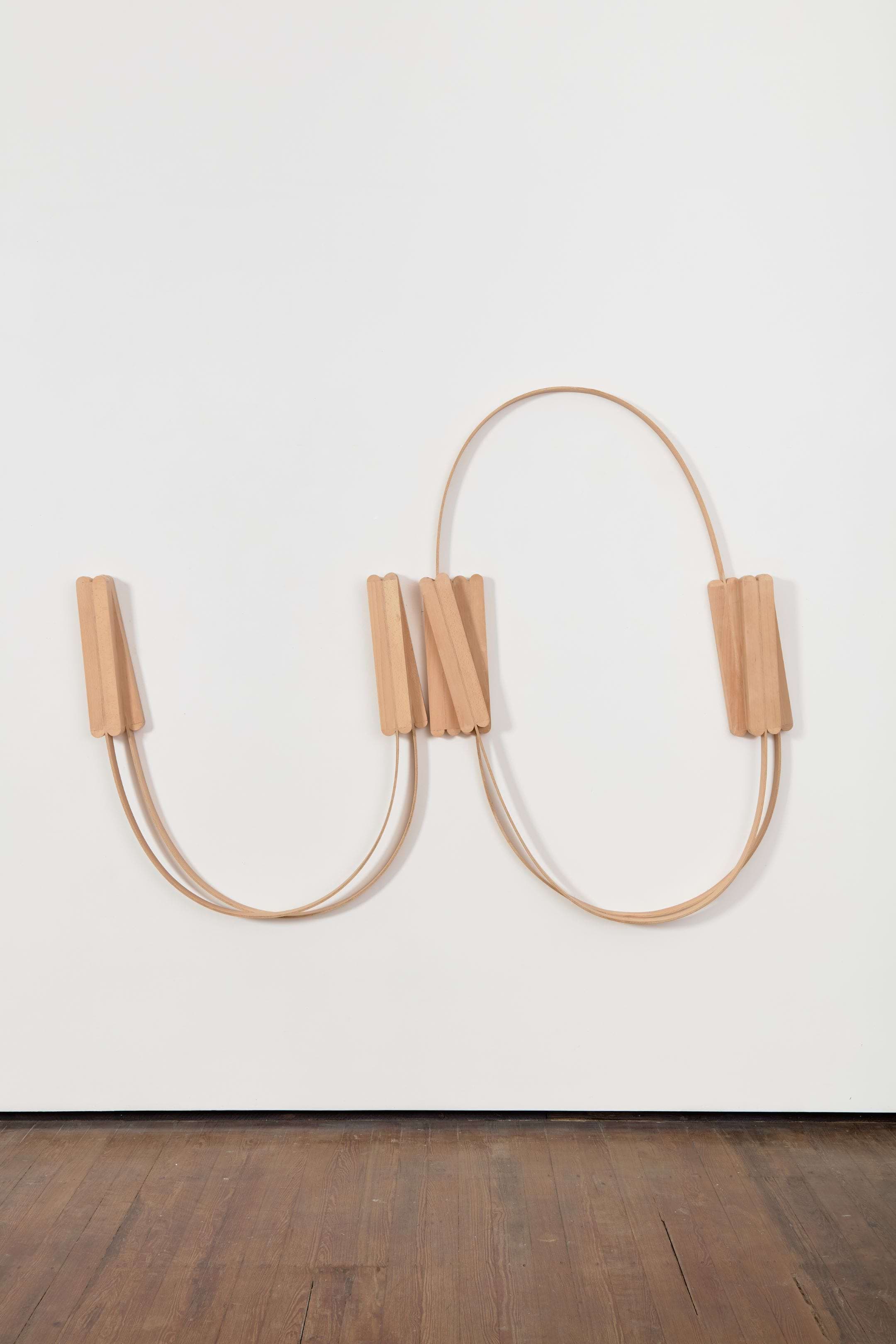
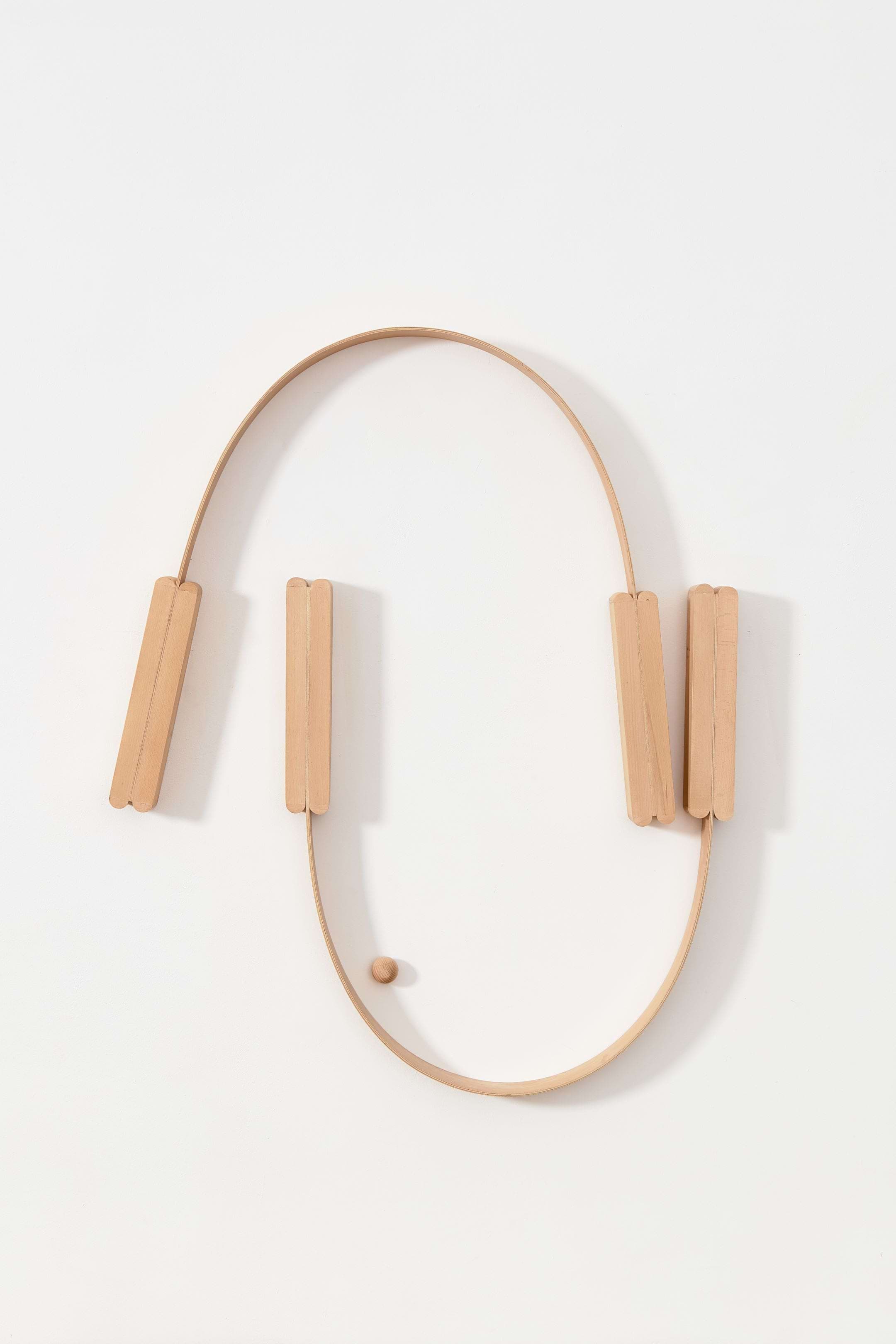
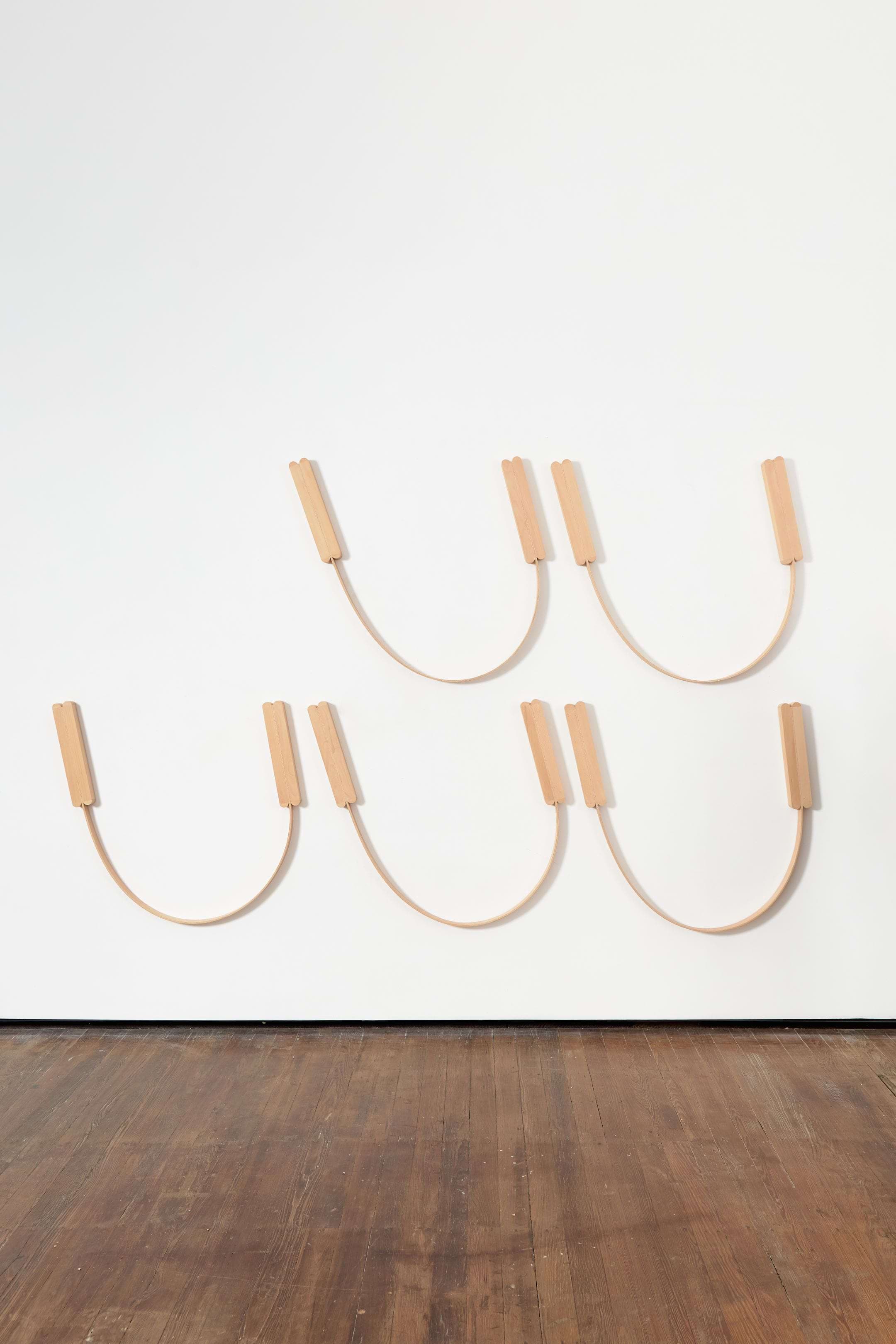
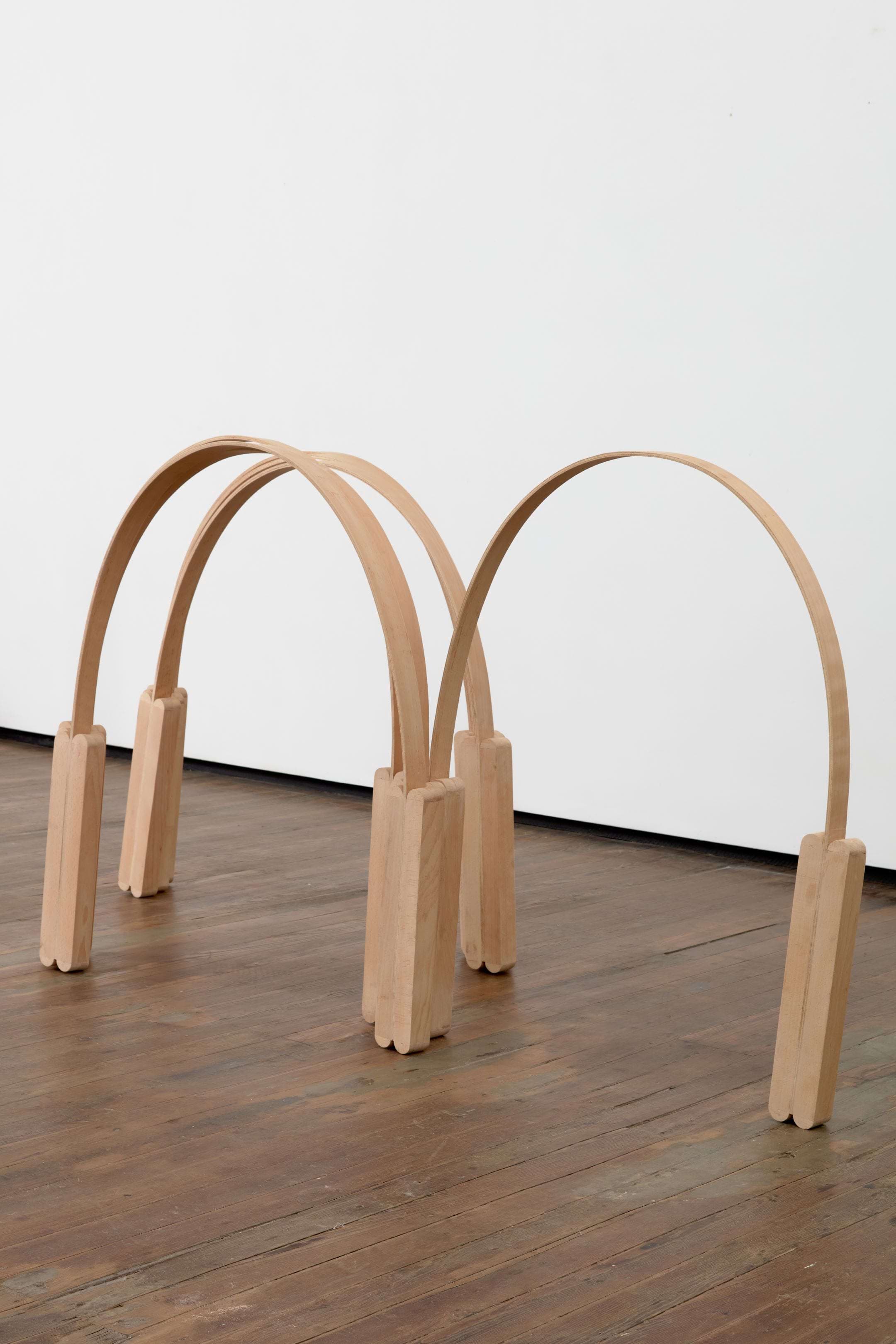
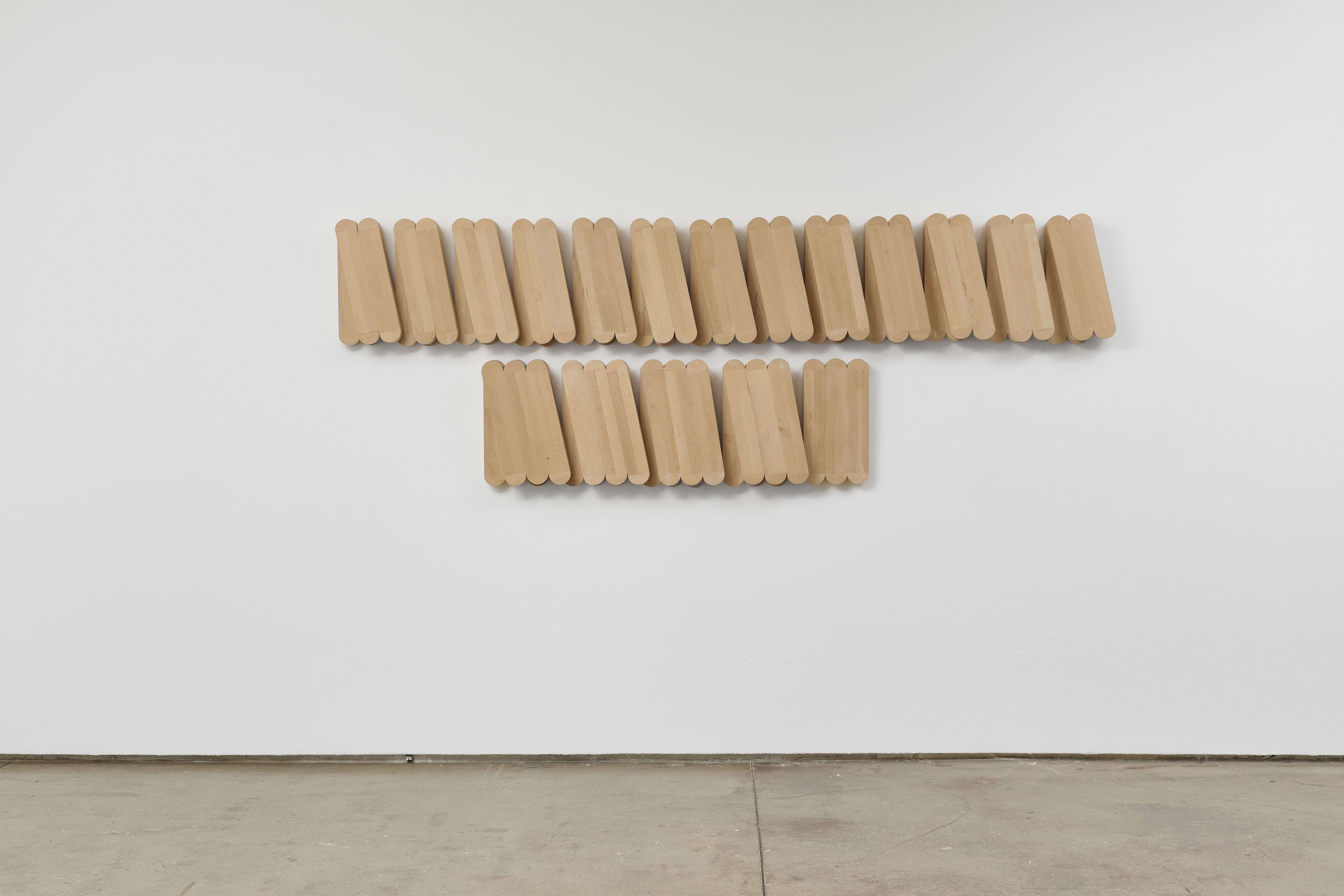
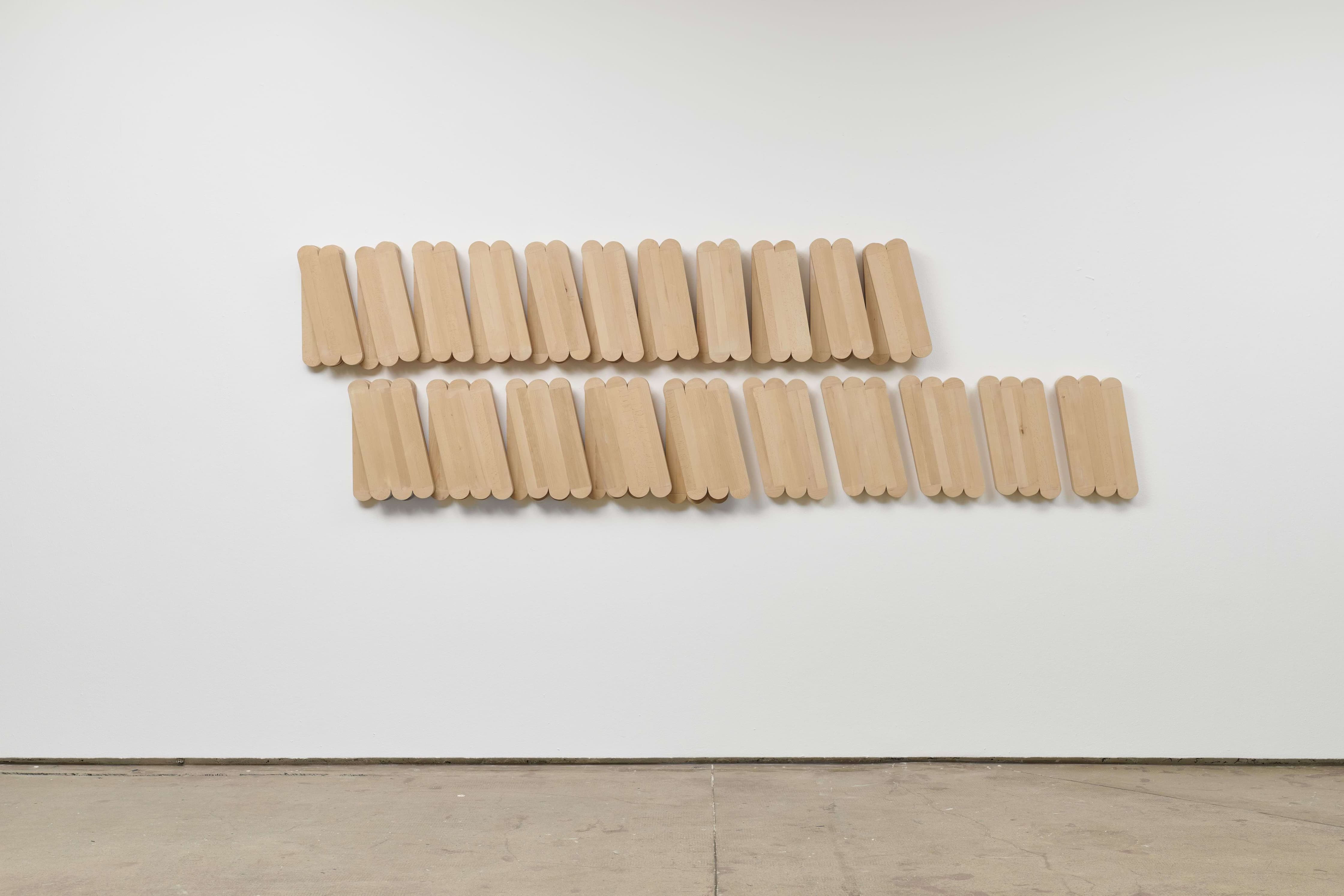
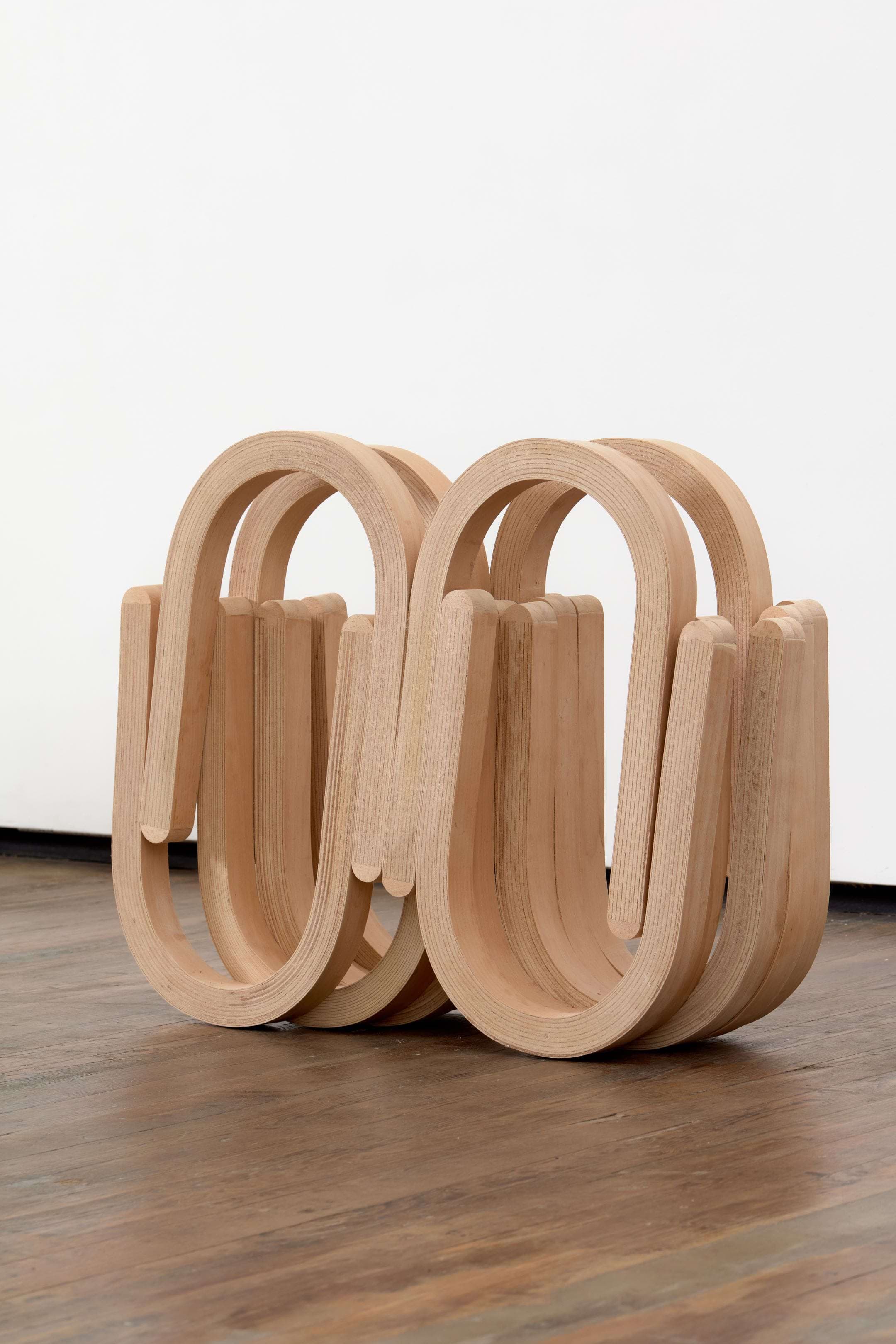
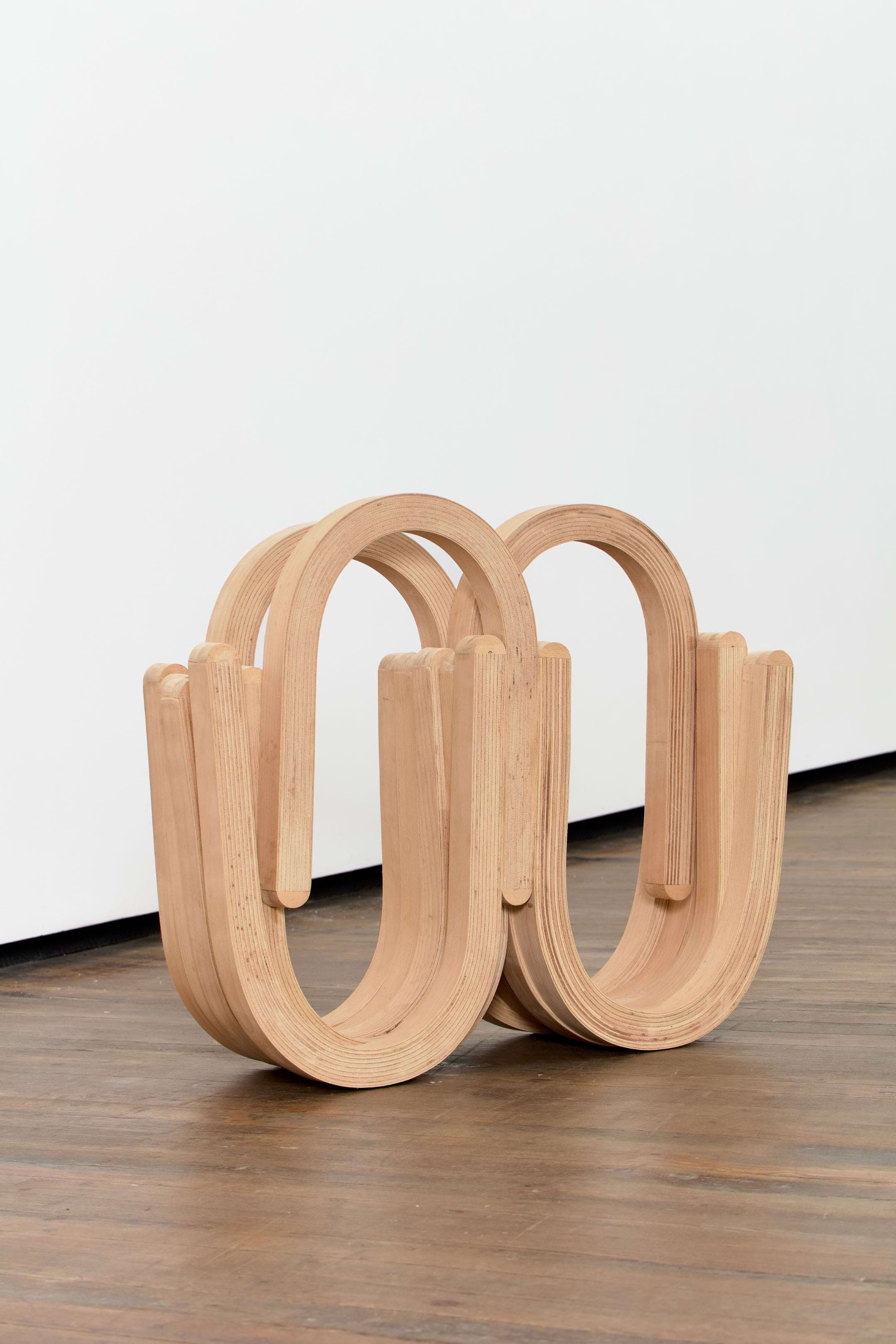
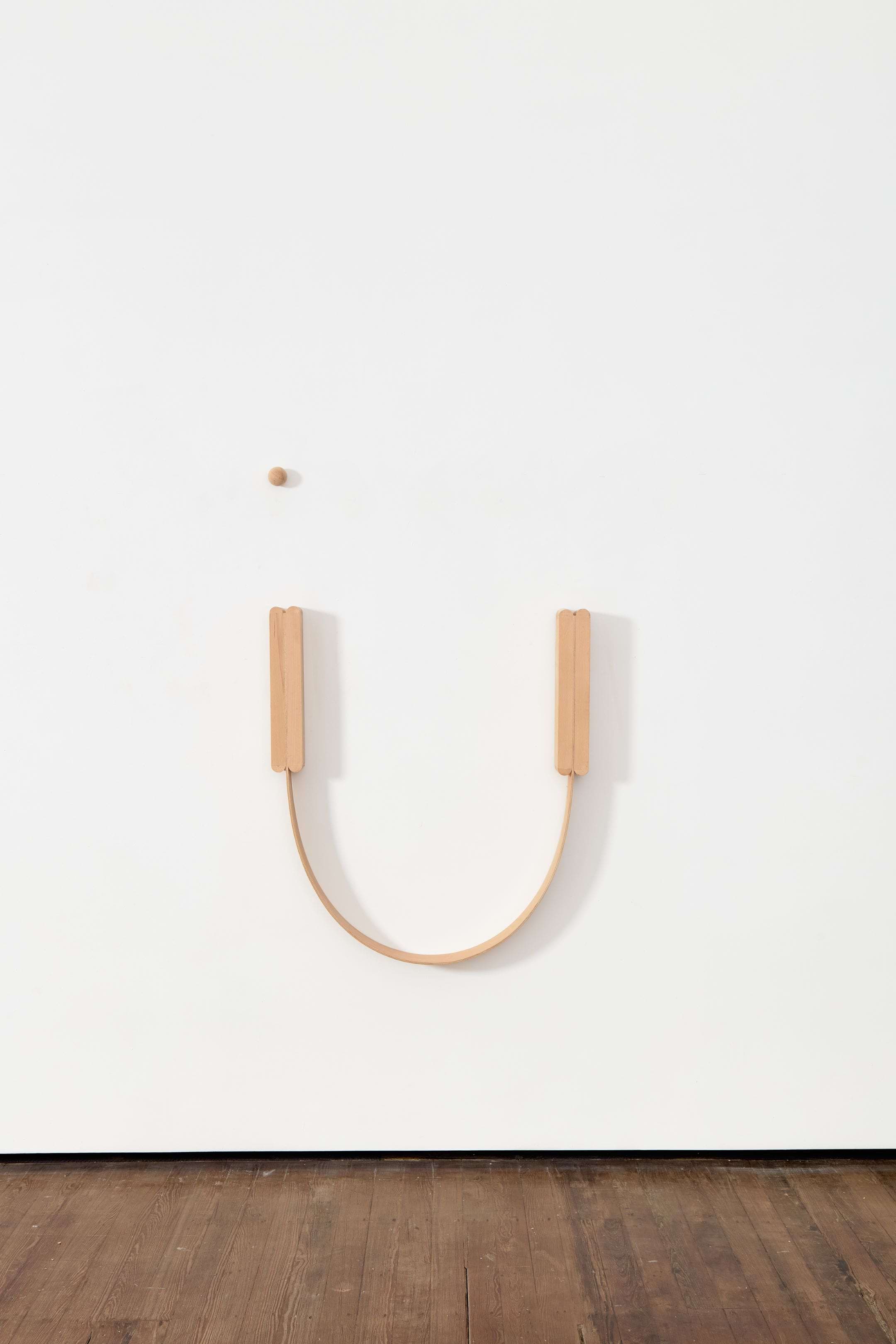
Goodman Gallery Johannesburg is pleased to present If Joburg had a beach, who would go?, a solo exhibition of new sculptural work by Unathi Mkonto. Conceived as an immersive environment, the exhibition marks a significant development in the artist’s practice, bringing together wall-based works with freestanding structures in an unfolding spatial installation that simultaneously evokes the energy stored in the ocean floor and that emanating from Johannesburg’s city centre.
Forming part of Goodman Gallery’s reimagined [Working Title] series – a year-round incubator programme for South African artists led by curator Nandi Jakuja – the exhibition also sits in dialogue with Mkonto’s forthcoming solo presentation at Frieze London in October 2026.

Featured Artworks
Create a Goodman Gallery account to view our full selection of available works, access pricing and check out online.
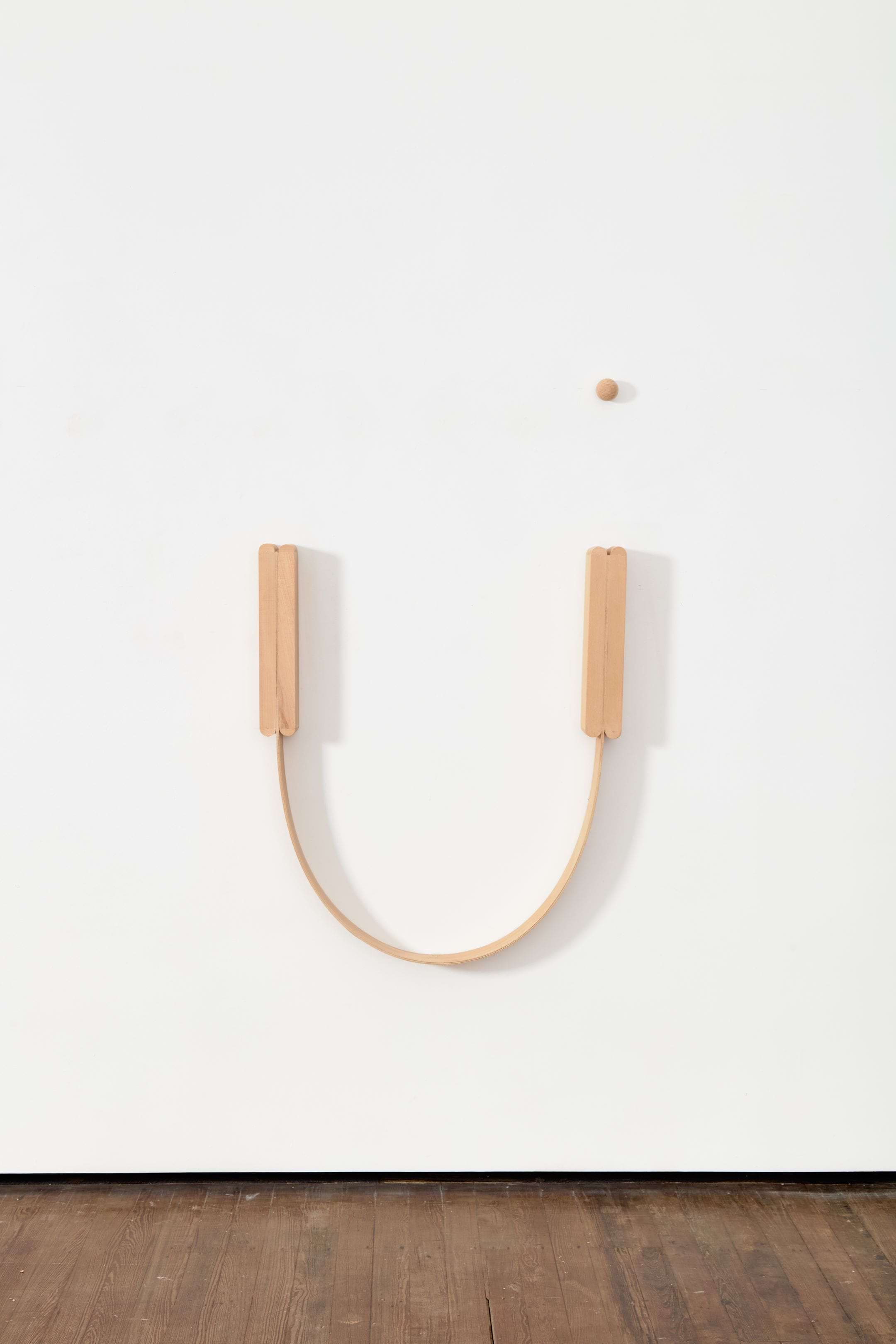
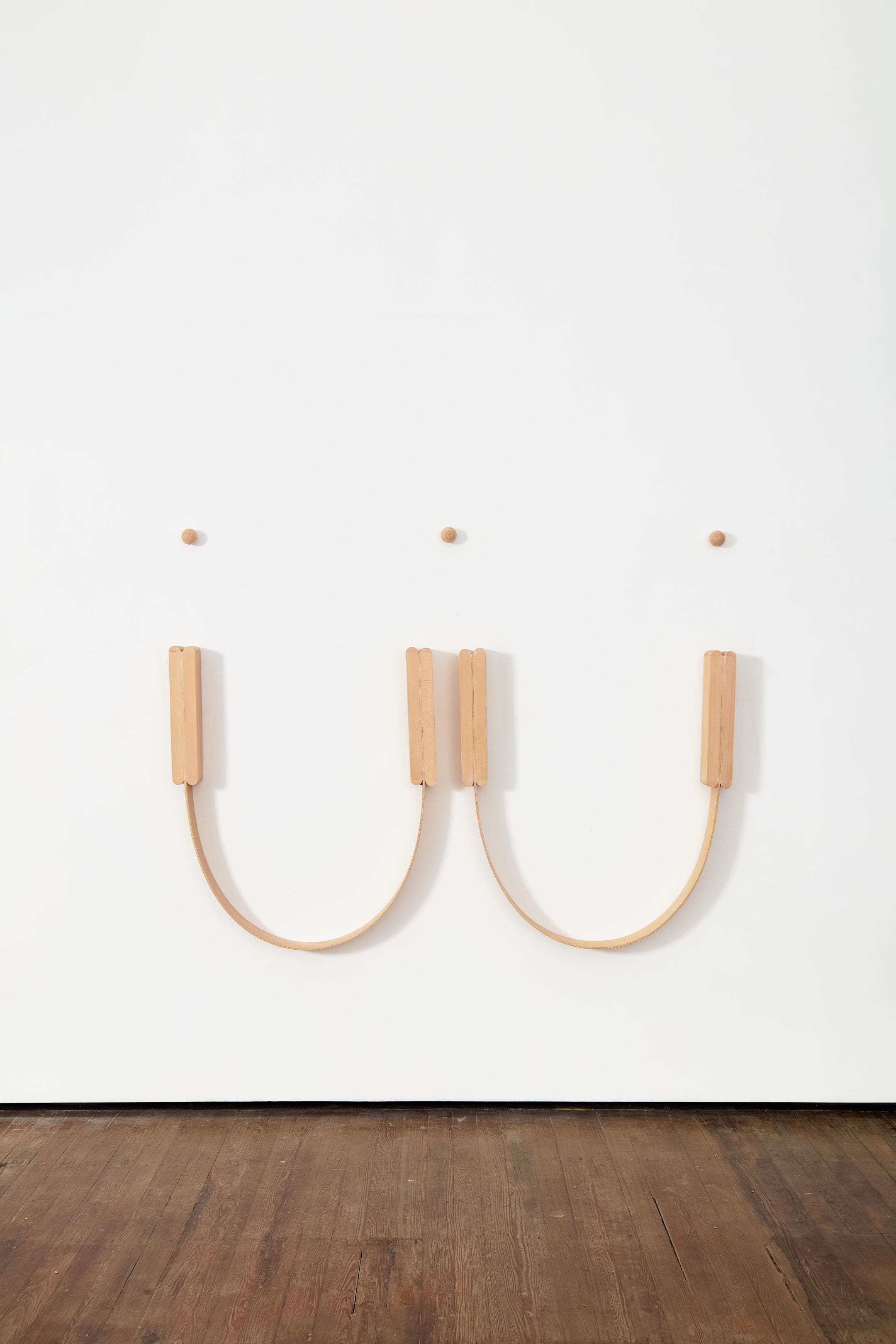


![Materially, the use of beechwood – often treated in a restrained, almost monochromatic register – emphasises texture, light and form. This reduction strips away the decorative or symbolic excess often associated with architectural language, allowing the work to operate as a kind of visual vocabulary. Repeated circular motifs, for instance, reference the foundational “point” from which all structures develop, while also evoking organic forms such as fruit, agriculture or plant life, subtly linking built environments to natural systems. Through his ongoing use of this adaptable medium, Mkonto’s new visual vernacular is one he considers distinctively African. Mkonto’s practice proposes architecture as a dynamic and relational process – one that can be relearned, reimagined and reinhabited. The exhibition invites viewers into an encounter with form that is at once sensory and reflective – using the city in which it takes place as a point of departure – prompting questions about how space is constructed, perceived and internalised. The presentation will continue into Mkonto’s booth at Frieze London later in the year, where this body of work will evolve within the context of the fair environment. This follows Mkonto’s nomination by Yinka Shonibare as part of the Artist-to-Artist initiative, whereby established artists select emerging voices for solo presentations at the fair. Goodman Gallery’s support of the presentation reflects its ongoing commitment to expanding the [Working Title] programme across both local and international contexts.](/_next/image?url=https%3A%2F%2Fcdn.sanity.io%2Fimages%2Fy2e3mw7a%2Fproduction%2F5cd05954557ecd2e125ed1a270cea0e9aaff3862-5453x8179.jpg%3Fq%3D75%26fit%3Dclip%26auto%3Dformat&w=4480&q=75)
![Materially, the use of beechwood – often treated in a restrained, almost monochromatic register – emphasises texture, light and form. This reduction strips away the decorative or symbolic excess often associated with architectural language, allowing the work to operate as a kind of visual vocabulary. Repeated circular motifs, for instance, reference the foundational “point” from which all structures develop, while also evoking organic forms such as fruit, agriculture or plant life, subtly linking built environments to natural systems. Through his ongoing use of this adaptable medium, Mkonto’s new visual vernacular is one he considers distinctively African. Mkonto’s practice proposes architecture as a dynamic and relational process – one that can be relearned, reimagined and reinhabited. The exhibition invites viewers into an encounter with form that is at once sensory and reflective – using the city in which it takes place as a point of departure – prompting questions about how space is constructed, perceived and internalised. The presentation will continue into Mkonto’s booth at Frieze London later in the year, where this body of work will evolve within the context of the fair environment. This follows Mkonto’s nomination by Yinka Shonibare as part of the Artist-to-Artist initiative, whereby established artists select emerging voices for solo presentations at the fair. Goodman Gallery’s support of the presentation reflects its ongoing commitment to expanding the [Working Title] programme across both local and international contexts.](/_next/image?url=https%3A%2F%2Fcdn.sanity.io%2Fimages%2Fy2e3mw7a%2Fproduction%2Fc0073a105febb51e042e5a27309d905874bc061c-5453x8179.jpg%3Fq%3D75%26fit%3Dclip%26auto%3Dformat&w=4480&q=75)
![Materially, the use of beechwood – often treated in a restrained, almost monochromatic register – emphasises texture, light and form. This reduction strips away the decorative or symbolic excess often associated with architectural language, allowing the work to operate as a kind of visual vocabulary. Repeated circular motifs, for instance, reference the foundational “point” from which all structures develop, while also evoking organic forms such as fruit, agriculture or plant life, subtly linking built environments to natural systems. Through his ongoing use of this adaptable medium, Mkonto’s new visual vernacular is one he considers distinctively African. Mkonto’s practice proposes architecture as a dynamic and relational process – one that can be relearned, reimagined and reinhabited. The exhibition invites viewers into an encounter with form that is at once sensory and reflective – using the city in which it takes place as a point of departure – prompting questions about how space is constructed, perceived and internalised. The presentation will continue into Mkonto’s booth at Frieze London later in the year, where this body of work will evolve within the context of the fair environment. This follows Mkonto’s nomination by Yinka Shonibare as part of the Artist-to-Artist initiative, whereby established artists select emerging voices for solo presentations at the fair. Goodman Gallery’s support of the presentation reflects its ongoing commitment to expanding the [Working Title] programme across both local and international contexts.](/_next/image?url=https%3A%2F%2Fcdn.sanity.io%2Fimages%2Fy2e3mw7a%2Fproduction%2F26201beaefa2ca041d8c1dda82837bad31ea9962-5453x8179.jpg%3Fq%3D75%26fit%3Dclip%26auto%3Dformat&w=4480&q=75)
![Materially, the use of beechwood – often treated in a restrained, almost monochromatic register – emphasises texture, light and form. This reduction strips away the decorative or symbolic excess often associated with architectural language, allowing the work to operate as a kind of visual vocabulary. Repeated circular motifs, for instance, reference the foundational “point” from which all structures develop, while also evoking organic forms such as fruit, agriculture or plant life, subtly linking built environments to natural systems. Through his ongoing use of this adaptable medium, Mkonto’s new visual vernacular is one he considers distinctively African. Mkonto’s practice proposes architecture as a dynamic and relational process – one that can be relearned, reimagined and reinhabited. The exhibition invites viewers into an encounter with form that is at once sensory and reflective – using the city in which it takes place as a point of departure – prompting questions about how space is constructed, perceived and internalised. The presentation will continue into Mkonto’s booth at Frieze London later in the year, where this body of work will evolve within the context of the fair environment. This follows Mkonto’s nomination by Yinka Shonibare as part of the Artist-to-Artist initiative, whereby established artists select emerging voices for solo presentations at the fair. Goodman Gallery’s support of the presentation reflects its ongoing commitment to expanding the [Working Title] programme across both local and international contexts.](/_next/image?url=https%3A%2F%2Fcdn.sanity.io%2Fimages%2Fy2e3mw7a%2Fproduction%2F09943962899cd1ea85f8cd90e7824dd1eef48be0-5453x8179.jpg%3Fq%3D75%26fit%3Dclip%26auto%3Dformat&w=4480&q=75)
![Materially, the use of beechwood – often treated in a restrained, almost monochromatic register – emphasises texture, light and form. This reduction strips away the decorative or symbolic excess often associated with architectural language, allowing the work to operate as a kind of visual vocabulary. Repeated circular motifs, for instance, reference the foundational “point” from which all structures develop, while also evoking organic forms such as fruit, agriculture or plant life, subtly linking built environments to natural systems. Through his ongoing use of this adaptable medium, Mkonto’s new visual vernacular is one he considers distinctively African. Mkonto’s practice proposes architecture as a dynamic and relational process – one that can be relearned, reimagined and reinhabited. The exhibition invites viewers into an encounter with form that is at once sensory and reflective – using the city in which it takes place as a point of departure – prompting questions about how space is constructed, perceived and internalised. The presentation will continue into Mkonto’s booth at Frieze London later in the year, where this body of work will evolve within the context of the fair environment. This follows Mkonto’s nomination by Yinka Shonibare as part of the Artist-to-Artist initiative, whereby established artists select emerging voices for solo presentations at the fair. Goodman Gallery’s support of the presentation reflects its ongoing commitment to expanding the [Working Title] programme across both local and international contexts.](/_next/image?url=https%3A%2F%2Fcdn.sanity.io%2Fimages%2Fy2e3mw7a%2Fproduction%2F8fc50f4beeb172e745ad28e1a2055bfbebfb2da8-5453x8179.jpg%3Fq%3D75%26fit%3Dclip%26auto%3Dformat&w=4480&q=75)
![Materially, the use of beechwood – often treated in a restrained, almost monochromatic register – emphasises texture, light and form. This reduction strips away the decorative or symbolic excess often associated with architectural language, allowing the work to operate as a kind of visual vocabulary. Repeated circular motifs, for instance, reference the foundational “point” from which all structures develop, while also evoking organic forms such as fruit, agriculture or plant life, subtly linking built environments to natural systems. Through his ongoing use of this adaptable medium, Mkonto’s new visual vernacular is one he considers distinctively African. Mkonto’s practice proposes architecture as a dynamic and relational process – one that can be relearned, reimagined and reinhabited. The exhibition invites viewers into an encounter with form that is at once sensory and reflective – using the city in which it takes place as a point of departure – prompting questions about how space is constructed, perceived and internalised. The presentation will continue into Mkonto’s booth at Frieze London later in the year, where this body of work will evolve within the context of the fair environment. This follows Mkonto’s nomination by Yinka Shonibare as part of the Artist-to-Artist initiative, whereby established artists select emerging voices for solo presentations at the fair. Goodman Gallery’s support of the presentation reflects its ongoing commitment to expanding the [Working Title] programme across both local and international contexts.](/_next/image?url=https%3A%2F%2Fcdn.sanity.io%2Fimages%2Fy2e3mw7a%2Fproduction%2F7fa5ce34d429d276459f6deb47be557878e90c94-5453x8179.jpg%3Fq%3D75%26fit%3Dclip%26auto%3Dformat&w=4480&q=75)
![Materially, the use of beechwood – often treated in a restrained, almost monochromatic register – emphasises texture, light and form. This reduction strips away the decorative or symbolic excess often associated with architectural language, allowing the work to operate as a kind of visual vocabulary. Repeated circular motifs, for instance, reference the foundational “point” from which all structures develop, while also evoking organic forms such as fruit, agriculture or plant life, subtly linking built environments to natural systems. Through his ongoing use of this adaptable medium, Mkonto’s new visual vernacular is one he considers distinctively African. Mkonto’s practice proposes architecture as a dynamic and relational process – one that can be relearned, reimagined and reinhabited. The exhibition invites viewers into an encounter with form that is at once sensory and reflective – using the city in which it takes place as a point of departure – prompting questions about how space is constructed, perceived and internalised. The presentation will continue into Mkonto’s booth at Frieze London later in the year, where this body of work will evolve within the context of the fair environment. This follows Mkonto’s nomination by Yinka Shonibare as part of the Artist-to-Artist initiative, whereby established artists select emerging voices for solo presentations at the fair. Goodman Gallery’s support of the presentation reflects its ongoing commitment to expanding the [Working Title] programme across both local and international contexts.](/_next/image?url=https%3A%2F%2Fcdn.sanity.io%2Fimages%2Fy2e3mw7a%2Fproduction%2F2cc748c948c04e9f4506f21a0936b74b093582bc-5453x8179.jpg%3Fq%3D75%26fit%3Dclip%26auto%3Dformat&w=4480&q=75)
![Materially, the use of beechwood – often treated in a restrained, almost monochromatic register – emphasises texture, light and form. This reduction strips away the decorative or symbolic excess often associated with architectural language, allowing the work to operate as a kind of visual vocabulary. Repeated circular motifs, for instance, reference the foundational “point” from which all structures develop, while also evoking organic forms such as fruit, agriculture or plant life, subtly linking built environments to natural systems. Through his ongoing use of this adaptable medium, Mkonto’s new visual vernacular is one he considers distinctively African. Mkonto’s practice proposes architecture as a dynamic and relational process – one that can be relearned, reimagined and reinhabited. The exhibition invites viewers into an encounter with form that is at once sensory and reflective – using the city in which it takes place as a point of departure – prompting questions about how space is constructed, perceived and internalised. The presentation will continue into Mkonto’s booth at Frieze London later in the year, where this body of work will evolve within the context of the fair environment. This follows Mkonto’s nomination by Yinka Shonibare as part of the Artist-to-Artist initiative, whereby established artists select emerging voices for solo presentations at the fair. Goodman Gallery’s support of the presentation reflects its ongoing commitment to expanding the [Working Title] programme across both local and international contexts.](/_next/image?url=https%3A%2F%2Fcdn.sanity.io%2Fimages%2Fy2e3mw7a%2Fproduction%2Fdeaa7936805dcfe743d4aceb2d4f2b9c04a7b380-5453x8179.jpg%3Fq%3D75%26fit%3Dclip%26auto%3Dformat&w=4480&q=75)
![Materially, the use of beechwood – often treated in a restrained, almost monochromatic register – emphasises texture, light and form. This reduction strips away the decorative or symbolic excess often associated with architectural language, allowing the work to operate as a kind of visual vocabulary. Repeated circular motifs, for instance, reference the foundational “point” from which all structures develop, while also evoking organic forms such as fruit, agriculture or plant life, subtly linking built environments to natural systems. Through his ongoing use of this adaptable medium, Mkonto’s new visual vernacular is one he considers distinctively African. Mkonto’s practice proposes architecture as a dynamic and relational process – one that can be relearned, reimagined and reinhabited. The exhibition invites viewers into an encounter with form that is at once sensory and reflective – using the city in which it takes place as a point of departure – prompting questions about how space is constructed, perceived and internalised. The presentation will continue into Mkonto’s booth at Frieze London later in the year, where this body of work will evolve within the context of the fair environment. This follows Mkonto’s nomination by Yinka Shonibare as part of the Artist-to-Artist initiative, whereby established artists select emerging voices for solo presentations at the fair. Goodman Gallery’s support of the presentation reflects its ongoing commitment to expanding the [Working Title] programme across both local and international contexts.](/_next/image?url=https%3A%2F%2Fcdn.sanity.io%2Fimages%2Fy2e3mw7a%2Fproduction%2Fc8c9a0b133f90c49cb0233ad4c7aeefab82cc63a-4281x6421.jpg%3Fq%3D75%26fit%3Dclip%26auto%3Dformat&w=4480&q=75)
![Materially, the use of beechwood – often treated in a restrained, almost monochromatic register – emphasises texture, light and form. This reduction strips away the decorative or symbolic excess often associated with architectural language, allowing the work to operate as a kind of visual vocabulary. Repeated circular motifs, for instance, reference the foundational “point” from which all structures develop, while also evoking organic forms such as fruit, agriculture or plant life, subtly linking built environments to natural systems. Through his ongoing use of this adaptable medium, Mkonto’s new visual vernacular is one he considers distinctively African. Mkonto’s practice proposes architecture as a dynamic and relational process – one that can be relearned, reimagined and reinhabited. The exhibition invites viewers into an encounter with form that is at once sensory and reflective – using the city in which it takes place as a point of departure – prompting questions about how space is constructed, perceived and internalised. The presentation will continue into Mkonto’s booth at Frieze London later in the year, where this body of work will evolve within the context of the fair environment. This follows Mkonto’s nomination by Yinka Shonibare as part of the Artist-to-Artist initiative, whereby established artists select emerging voices for solo presentations at the fair. Goodman Gallery’s support of the presentation reflects its ongoing commitment to expanding the [Working Title] programme across both local and international contexts.](/_next/image?url=https%3A%2F%2Fcdn.sanity.io%2Fimages%2Fy2e3mw7a%2Fproduction%2F9ac9d1f8faac2d920954ede4f550f2f41edd92ab-4251x6376.jpg%3Fq%3D75%26fit%3Dclip%26auto%3Dformat&w=4480&q=75)
At the core of the exhibition is a conceptual inquiry into the emotional and spatial conditions of landlocked Johannesburg. The title, If Joburg had a beach, who would go?, introduces a speculative premise by Mkonto – who is based in Cape Town, has previously lived in Johannesburg and was born in the Eastern Cape town of Peddie – ultimately questioning where energy is stored and how it forms within urban life. He approaches Johannesburg as a mutable condition – a state of mind as much as a physical place – shaped by histories of division, movement and adaptation. In this sprawling installation, as per the title of one series presented, “lines become waves and waves become infinite waves”.


`Mkonto’s titular inquiry unfolds in relation to broader shifts in how space is occupied and contested across South Africa. Recent reporting from news outlets such as the Daily Maverick and The New York Times have pointed to the increasing privatisation and uneven occupation of urban space – from city centres reshaped by short-term rental economies in Cape Town to the instability of municipal governance in Johannesburg – conditions that continue to determine access.
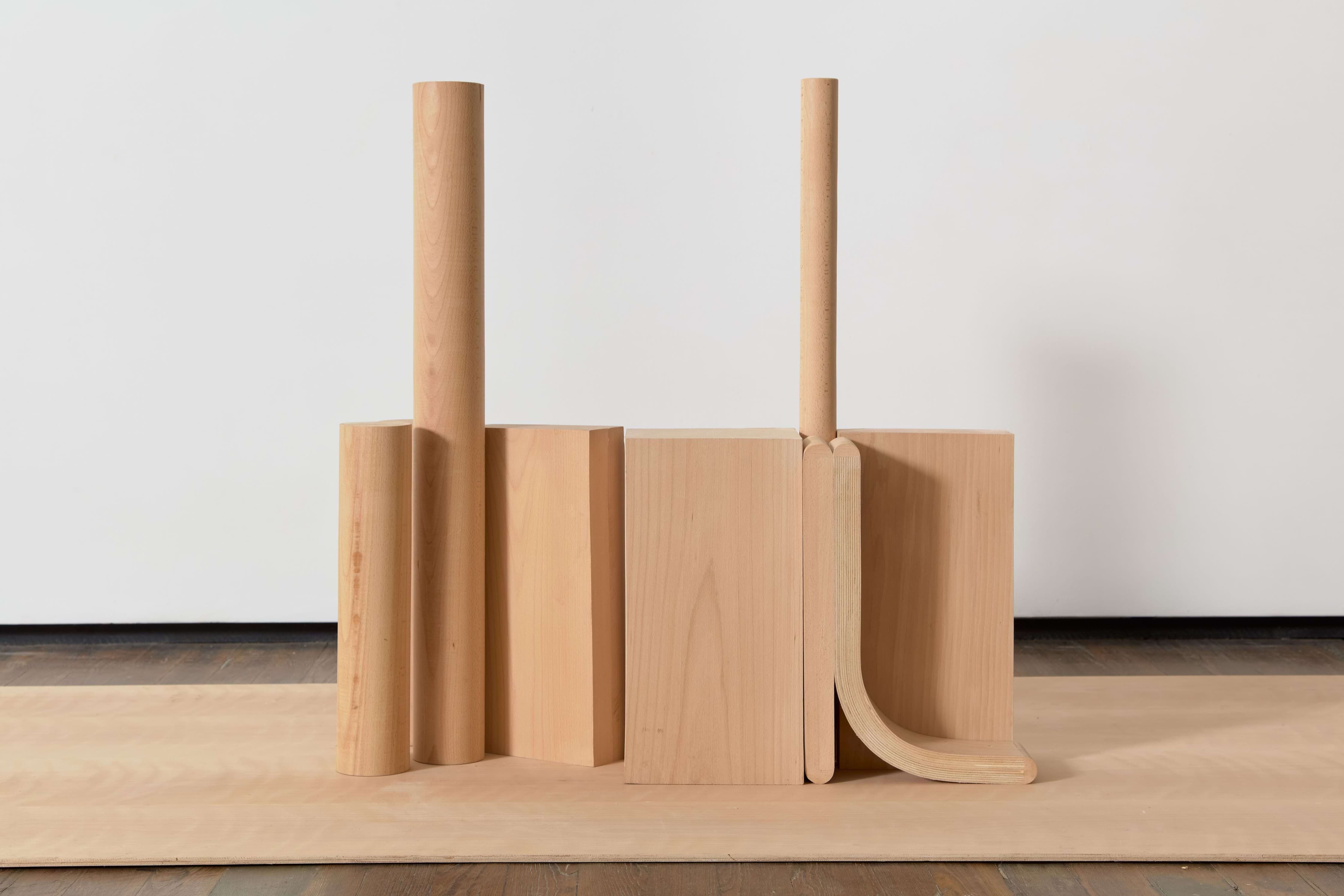
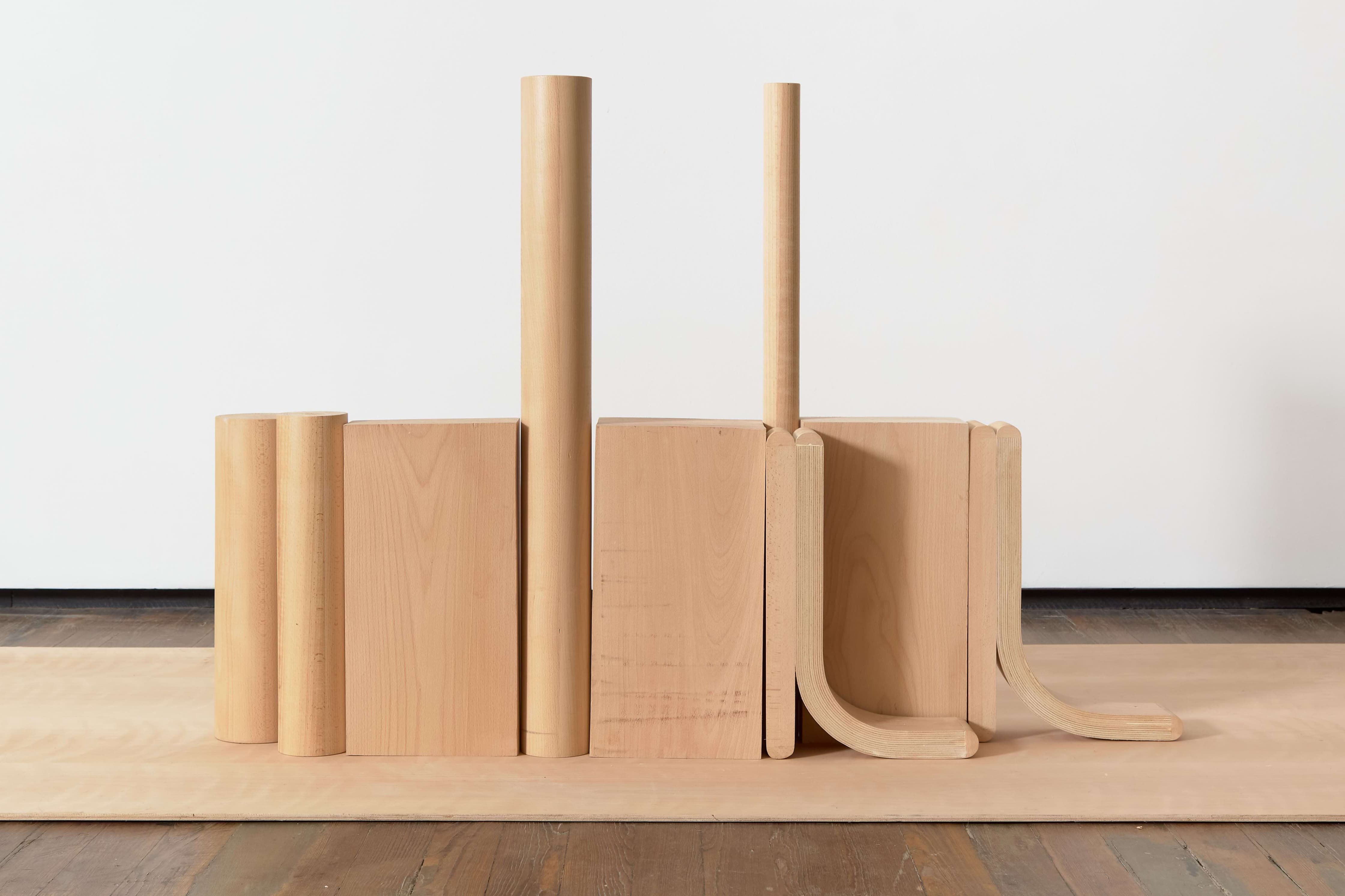
The work engages the legacy of apartheid through what the artist describes as an “emotional landscape” of space. In this context, architecture becomes a site of both memory and possibility, of what he refers to as “restoring and generating forces”. Here, the beach is a metaphor for a city, with the ocean drawing its energy from its floor, and the urban centre a site of inspiration. Mkonto’s structures suggest a form of “medicinal” or ancestral architecture, grounded in imagination and contradiction, where systems of order are reconfigured and alternative spatial logics emerge. A series of cylinders reference the iconic towers in the Johannesburg urban environment, appearing displaced within the evocation of an oceanic environment. Rather than buildings, “I’m looking for the highest waves in Johannesburg,” Mkonto explains. “Deep water waves.”`


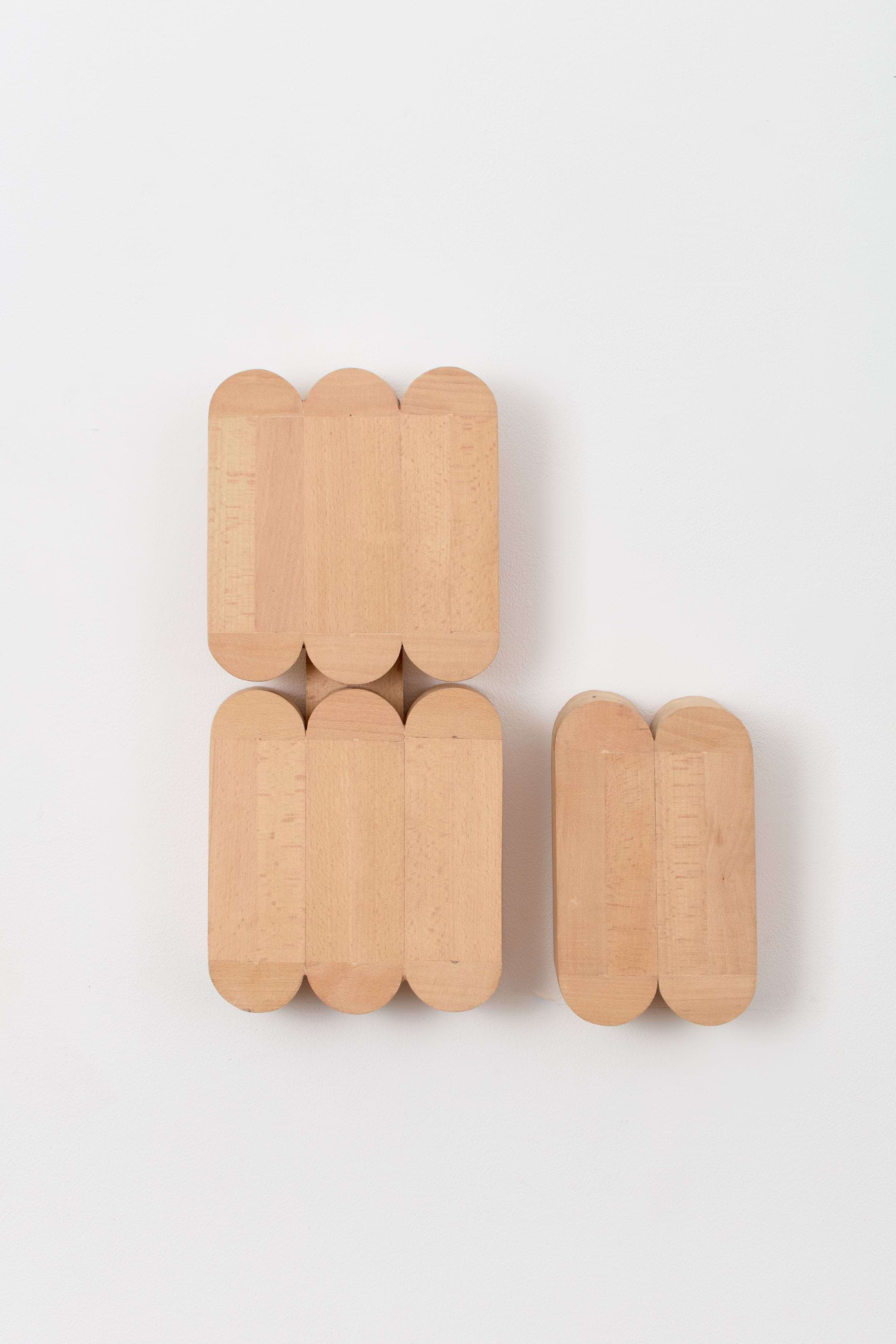
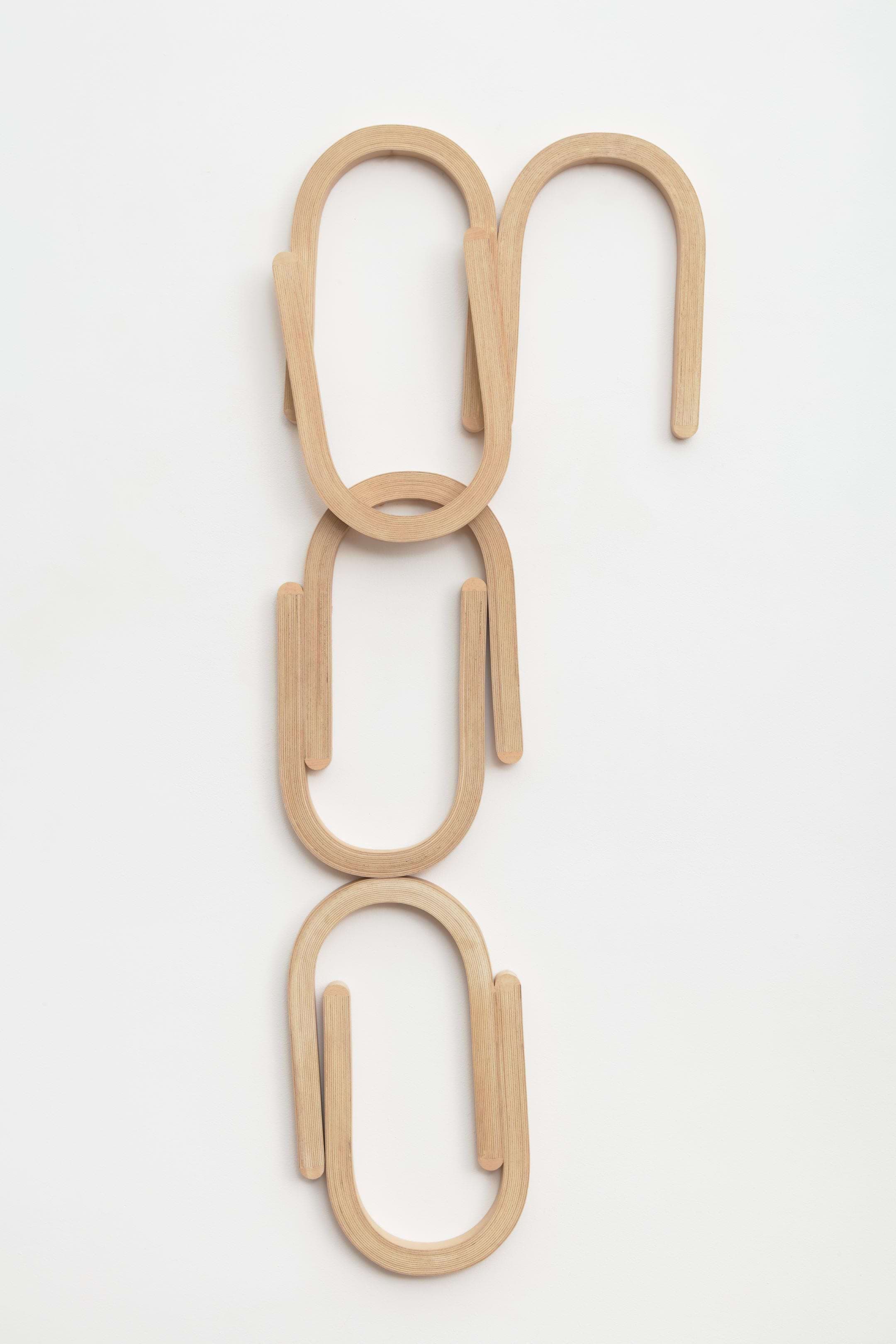
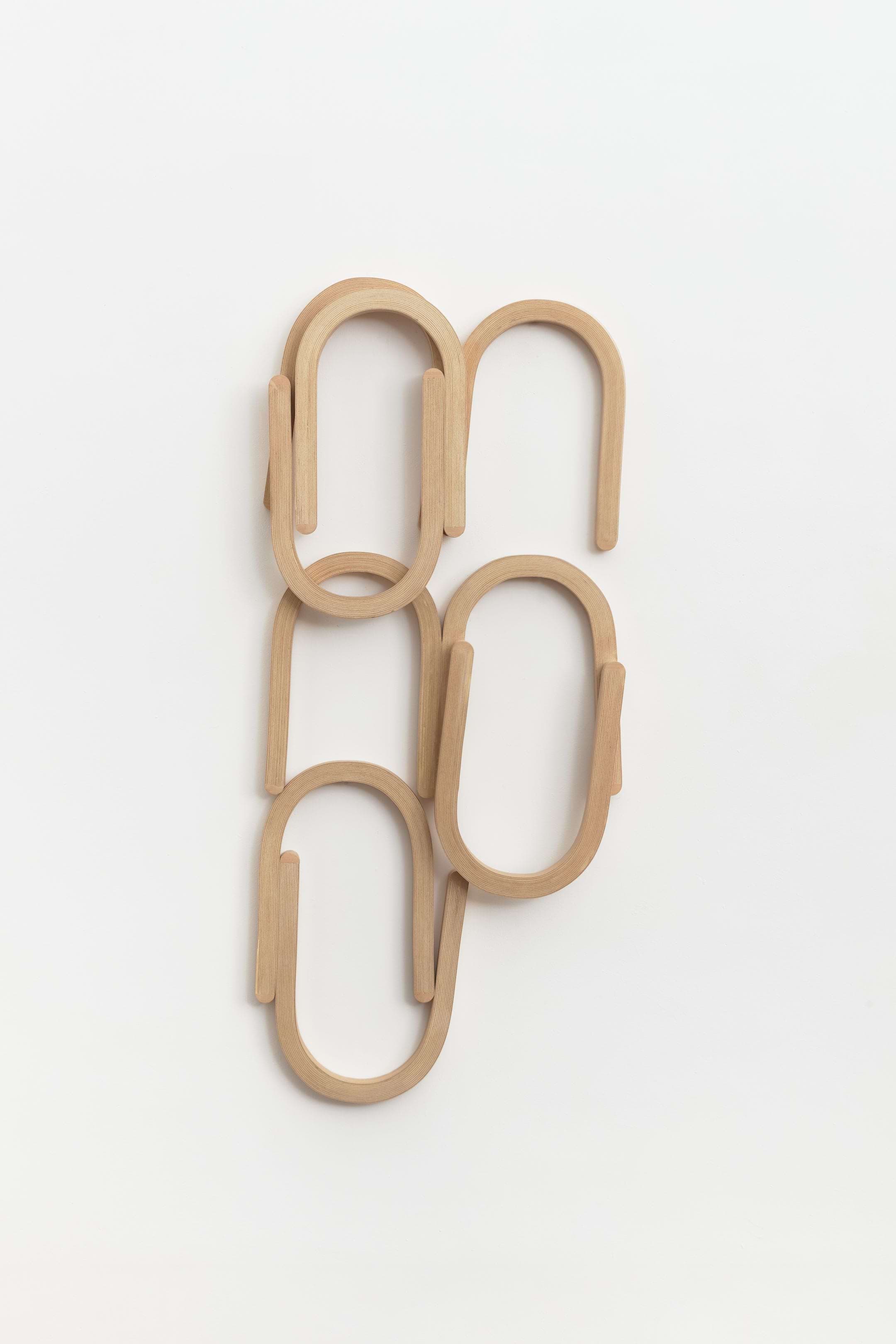
Materially, the use of beechwood – often treated in a restrained, almost monochromatic register – emphasises texture, light and form. This reduction strips away the decorative or symbolic excess often associated with architectural language, allowing the work to operate as a kind of visual vocabulary. Repeated circular motifs, for instance, reference the foundational “point” from which all structures develop, while also evoking organic forms such as fruit, agriculture or plant life, subtly linking built environments to natural systems. Through his ongoing use of this adaptable medium, Mkonto’s new visual vernacular is one he considers distinctively African.
Mkonto’s practice proposes architecture as a dynamic and relational process – one that can be relearned, reimagined and reinhabited. The exhibition invites viewers into an encounter with form that is at once sensory and reflective – using the city in which it takes place as a point of departure – prompting questions about how space is constructed, perceived and internalised.
The presentation will continue into Mkonto’s booth at Frieze London later in the year, where this body of work will evolve within the context of the fair environment. This follows Mkonto’s nomination by Yinka Shonibare as part of the Artist-to-Artist initiative, whereby established artists select emerging voices for solo presentations at the fair. Goodman Gallery’s support of the presentation reflects its ongoing commitment to expanding the [Working Title] programme across both local and international contexts.
![Materially, the use of beechwood – often treated in a restrained, almost monochromatic register – emphasises texture, light and form. This reduction strips away the decorative or symbolic excess often associated with architectural language, allowing the work to operate as a kind of visual vocabulary. Repeated circular motifs, for instance, reference the foundational “point” from which all structures develop, while also evoking organic forms such as fruit, agriculture or plant life, subtly linking built environments to natural systems. Through his ongoing use of this adaptable medium, Mkonto’s new visual vernacular is one he considers distinctively African. Mkonto’s practice proposes architecture as a dynamic and relational process – one that can be relearned, reimagined and reinhabited. The exhibition invites viewers into an encounter with form that is at once sensory and reflective – using the city in which it takes place as a point of departure – prompting questions about how space is constructed, perceived and internalised. The presentation will continue into Mkonto’s booth at Frieze London later in the year, where this body of work will evolve within the context of the fair environment. This follows Mkonto’s nomination by Yinka Shonibare as part of the Artist-to-Artist initiative, whereby established artists select emerging voices for solo presentations at the fair. Goodman Gallery’s support of the presentation reflects its ongoing commitment to expanding the [Working Title] programme across both local and international contexts.](/_next/image?url=https%3A%2F%2Fcdn.sanity.io%2Fimages%2Fy2e3mw7a%2Fproduction%2F3eee123f489b664c21b0979a929691fae9afc235-3466x5199.jpg%3Fq%3D75%26fit%3Dclip%26auto%3Dformat&w=4480&q=75)
In Focus Unathi Mkonto
Artist Bio
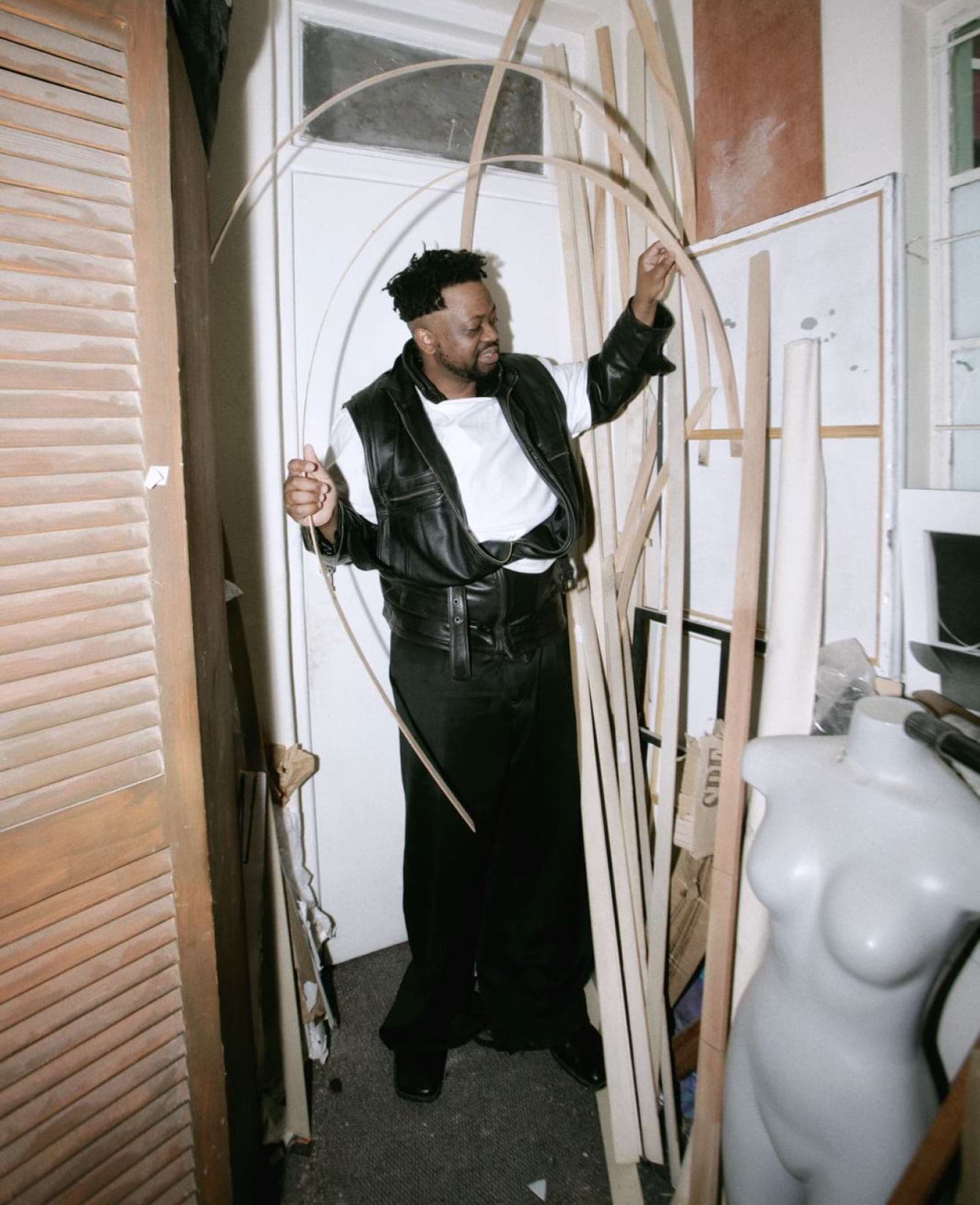
Unathi Mkonto (b. 1982, Peddie) is a Cape Town-based artist working across drawing, sculpture, installation, and performance. His practice sits at the juncture of art, design, and architecture, engaging questions of space, habitation, and the humanisation of historically apartheid-shaped built environments. Mkonto is a self-taught artist who pursued a Bachelor of Architecture at Nelson Mandela University and was a design fellow at Architecture for Humanity in Johannesburg. He has participated in residencies at Zeitz MOCAA (TO LET), A4 Arts Foundation (AVOID), Stevenson Amsterdam, and Alma Martha, Cape Town. Solo exhibitions include Juxtapositions at Stevenson Gallery (2023), Enclosed Camp at Open 24 Hours Gallery (2022), and flat at Blank Gallery (2018). He has also taken part in the Centre for the Less Good Idea’s mentorship programme and participated in local and international group exhibitions, including Lifelines at Goodman Gallery, London (2025); Where Do I Begin at Stevenson Gallery, Cape Town (2022); If Not Now, Then When (2022) at BKhz Gallery, Johannesburg; and NON-EXCHANGE at the Institute of Contemporary Arts, London (2017).
Other Exhibitions
See All